
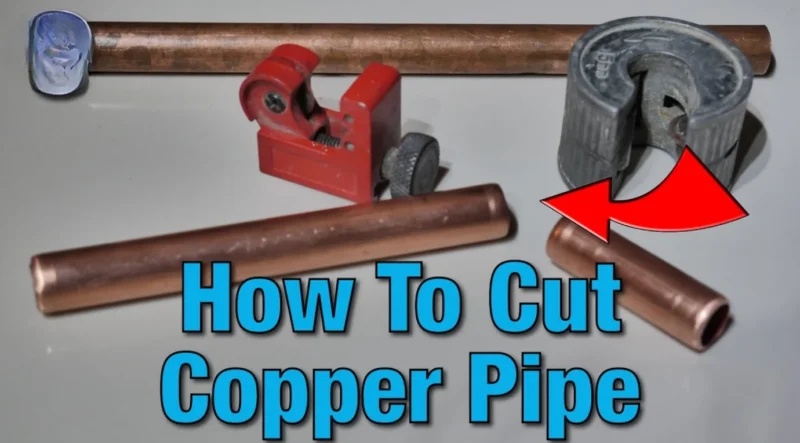
How To Cut Copper Pipe Pefectly? Best Tips
What Is a Copper Pipe?
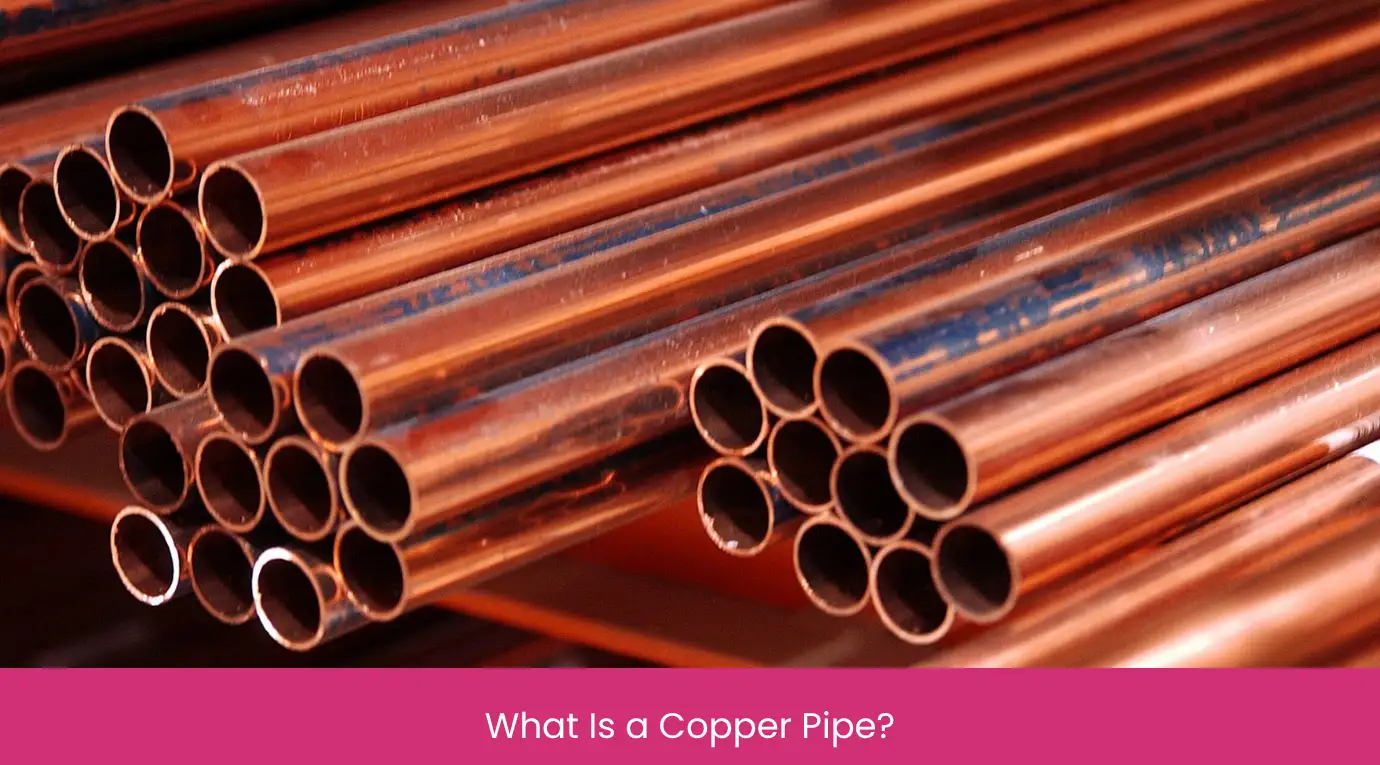
I this guide we will learn that how to cut copper pip perfectly. Copper pipe is a conduit that is made of copper metal, which is cylindrical.It is mainly used to carry water, gas, and refrigerant. Copper is considered strong, corrosion-resistant, and has a long life, and hence it is of great use in plumbing systems.
Copper pipes are used in:
- Home water supply lines
- Heating systems
- Air conditioning systems
- Refrigerators
- Industrial piping
The copper pipes are often sold in long lengths, hence cutting them down to suit particular space requirements is a common practice.
Why Do You Need to Cut Copper Pipe?
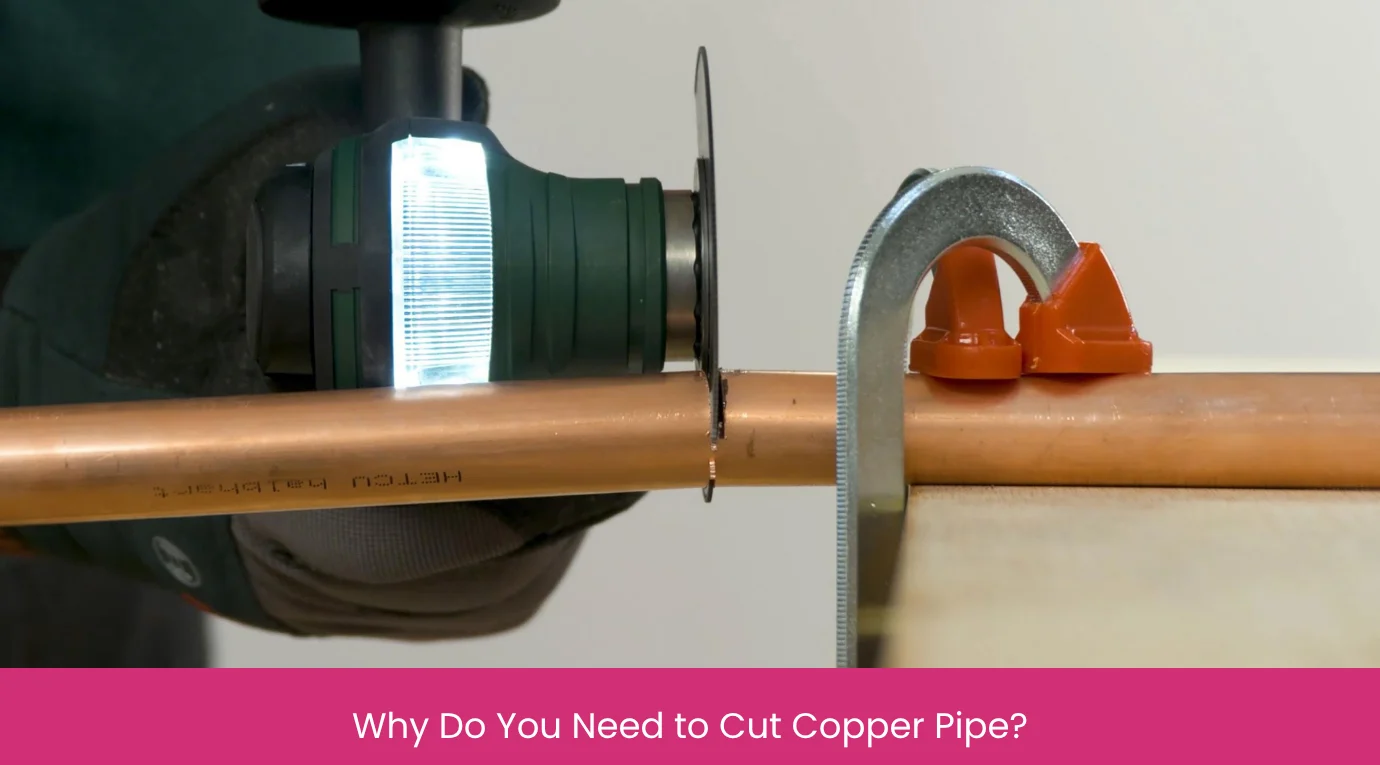
Cutting copper pipes is often necessary to ensure proper installation and functionality. Here are the various reasons to be cut:
Proper Fitting
The pipes should be long enough to fit between fixtures, walls, and the points of connection correctly.
Repair Work
Leakages or broken parts of the copper pipe should be taken away and replaced.
New Installations
In the installation of new plumbing lines, it is necessary to cut short or lengthen pipes to suit the layout that is required.
DIY Projects
The artistic, furniture, and home decor projects also use copper pipes.
Avoid Waste
Proper cutting saves time on waste of material and saves expenses.
Types of Copper Pipes
Copper pipes come in different types based on thickness, durability, and usage. Knowing the type of copper pipe is important before cutting or installing it. It is necessary to determine the type of pipe. Here are the main types:
K Shape Copper Pipe
- Thickest copper pipe
- Used as underground and main water lines.
- More difficult to cut
L Shaped Copper Pipe
- Medium thickness
- Widely used in home plumbing.
- Compatible with the simple cutting tools.
M Shape Copper Pipe
- Thinnest copper pipe
- Residential water supply use.
- Very easy to cut
Soft Copper Pipe
- Flexible and bendable
- Used in refrigeration and gas lines.
Tools Required To Cut Copper Pipe
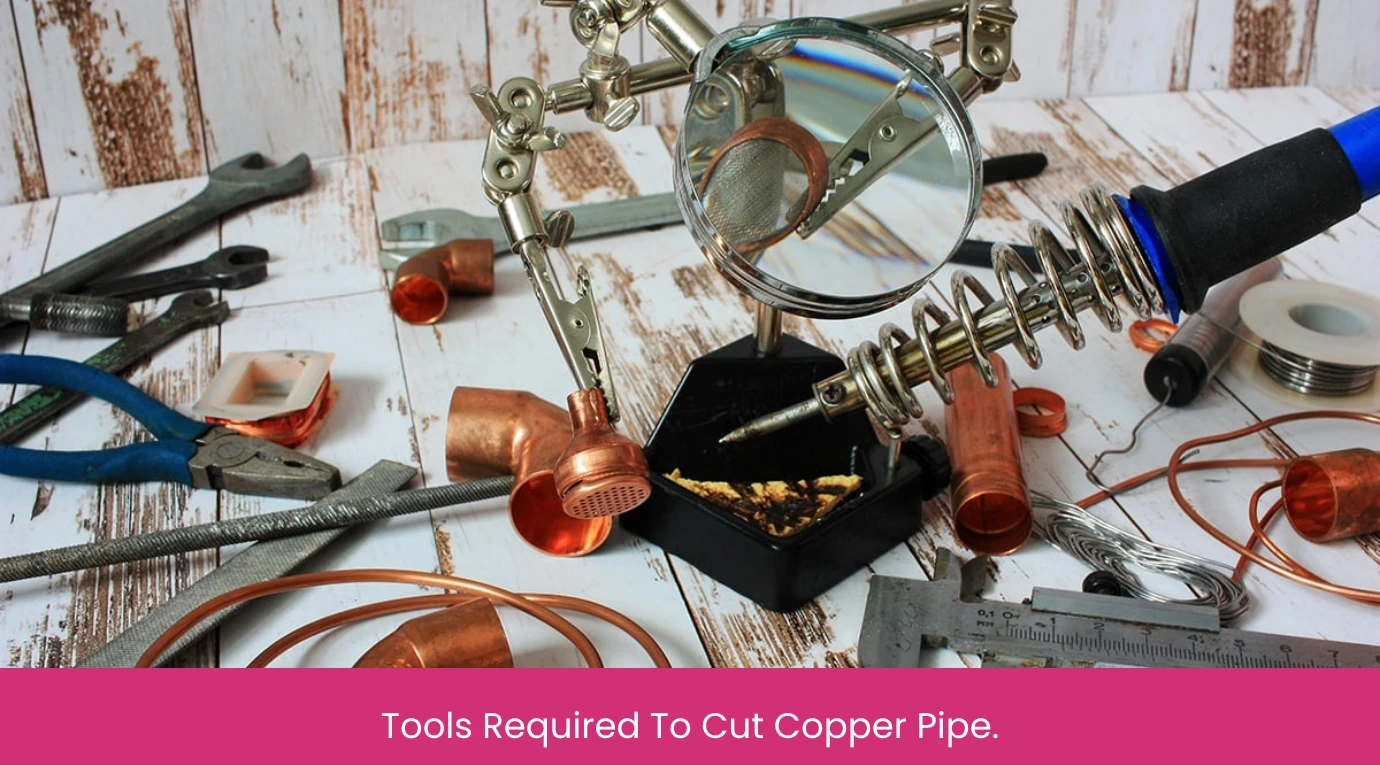
Having the right tools is essential to cut copper pipe efficiently, safely, and accurately. The tools can be divided into basic, cutting, and finishing tools. The usage of the right equipment makes everything easier and safer.
Basic Tools
- Measuring tape
- Marker or pencil
- Safety gloves
- Safety goggles
Cutting Tools
- Pipe cutter
- Tubing cutter
- Hacksaw
- Angle grinder
- Rotary tool
Finishing Tools
- Deburring tool
- Sandpaper
- Pipe reamer
Safety Before Cutting Copper Pipe
Working with copper pipes must be focused on safety.
- Turn Off Water Supply
- Wear Safety Gear
- Secure the Pipe
- Work in a Clean Area
- Use the Right Tool
Application of the wrong tool may either injure or damage the pipe.
Methods to Cut Copper Pipe
There are several methods to cut copper pipe, each suited to different situations. Choosing the right method depends on the pipe size, thickness, and available tools. There are a variety of ways of cutting copper pipe, and each has its unique merits.
Pipe Cutter Method
The most used and recommended tool is a pipe cutter.
Advantages:
- Clean and straight cuts
- User‑friendly
- No sparks or noise
Hacksaw Method
A hacksaw is a manual device that is fitted with a blade made of metal and designed to cut.
Advantages:
- Affordable
- Readily available
Disadvantages:
- Rough edges
- Requires more effort
Tubing Cutter Method
Like a pipe cutter, but of smaller pipes.
Advantages:
- Precise cutting
- Compact size
Disadvantages:
- Limited to small pipe sizes
Rotary Tool Method
Copper pipes can also be cut using a rotary tool that has a cutting wheel.
Advantages:
- Useful for small pipes
- Effective in tight spaces
Disadvantages:
- Slower cutting
- Not suitable for thick pipes
Steps to Safely Cut Copper Pipe Using a Pipe Cutter.
Cutting copper pipe with a pipe cutter is the safest and most precise method. It ensures a straight, clean cut without damaging the pipe. This is the simplest and most secure method.
Step 1: Measure the Pipe
Mark the location where one wants to cut using a measuring tape.
Step 2: Position the Cutter
Take the pipe cutter and put it around the pipe where the mark is.
Step 3: Tighten the Cutter
Turn the knob until the cutting wheel gets in touch with the pipe.
Step 4: Rotate the Cutter
Rotate the cutter around the pipe.
Step 5: Tighten and Rotate Again.
Tightening can be done after every rotation until the pipe has been cut.
Step 6: Remove the Pipe
After cutting, the section of the pipe can be removed, and the edge checked.
How to Cut Copper Pipe without Using Pipe Cutter.
If you do not have a pipe cutter, there are alternative methods you can use. Cutting copper pipe without a pipe cutter requires careful handling and the right tools to achieve a clean and accurate cut.
Using a Hacksaw
- Mark the cutting line
- Secure the pipe
- Cut slowly with even strokes
- Smooth the edges after cutting.
Using an Angle Grinder
- Wear safety gear
- Mark the pipe
- Cut gently and steadily
- Avoid overheating
How To Clean a Copper Pipe After Cutting.
After cutting the copper pipe, it is essential to clean and smooth the cut ends. This ensures a strong connection and prevents leaks. The edge of the pipe could be sharp or rough after cutting.
- Deburring
- Sanding
- Cleaning
This is an essential measure to fit it properly and prevent leaks.
Common Mistakes to Avoid
Cutting copper pipes may seem easy, but beginners often make mistakes that can cause problems. Avoiding these mistakes ensures clean cuts, strong joints, and safe installations. Here are some common mistakes:
- Cutting without measuring
- Using dull blades
- Not securing the pipe
- Skipping deburring
- Applying too much force
The prevention of such errors gives a safe and clean cut.
Uses of Copper Pipes
The copper pipes are used in various ways:
- Residential plumbing
- Hot and cold water lines
- Heating systems
- Air conditioning
- Refrigeration
- Medical gas systems
- Decorative DIY projects
Ending
Being able to cut copper pipes is an appreciable skill that a homeowner and a professional can acquire.Through the use of proper equipment, following of safety measures, and proper methodology, clean and accurate cuts may be made consistently.Repairing a pipe, installing a new system, and any other DIY project, cutting copper pipes correctly saves time, costs, and effort.
I have explained everything about cutting copper pipes in an understandable and simple way that will make it both understandable and professional. For more helpful tips keep visiting https://homesinfoguide.com/.
