
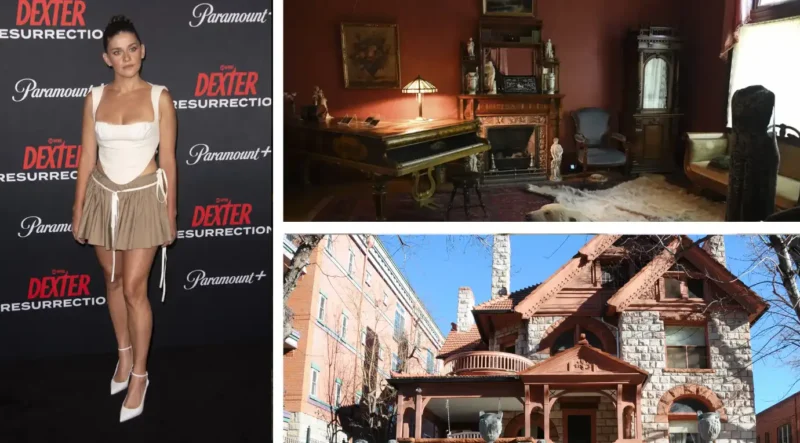
Molly Brown House: Inside Look, Address, History And Legacy
The Molly Brown House is one of the most important historic homes in the United States.It tells the story of Margaret “Molly” Brown, a famous socialite, philanthropist, activist and survivor of the RMS Titanic disaster.Today, the Molly Brown house is a museum.It celebrates the life of this extraordinary woman and preserves the past for visitors from all over the world.
Margaret Brown, or Molly Brown as she was commonly known, was born in 1867.She was nicknamed “The Unsinkable Molly Brown” because she survived the sinking of the Titanic in 1912.But much more than one event at sea was her life.
Molly Brown was:
- A philanthropist (someone who donates time & money in helping others)
- A social reformer
- An activist who fought for women’s equal rights
- A world traveller and an Iraqi in American society
She lived in Denver, Colorado, in the late 1800s and early 1900s.Her home in Denver is today one of the most visited historic attractions in the state of Colorado.
1. The Molly Brown House
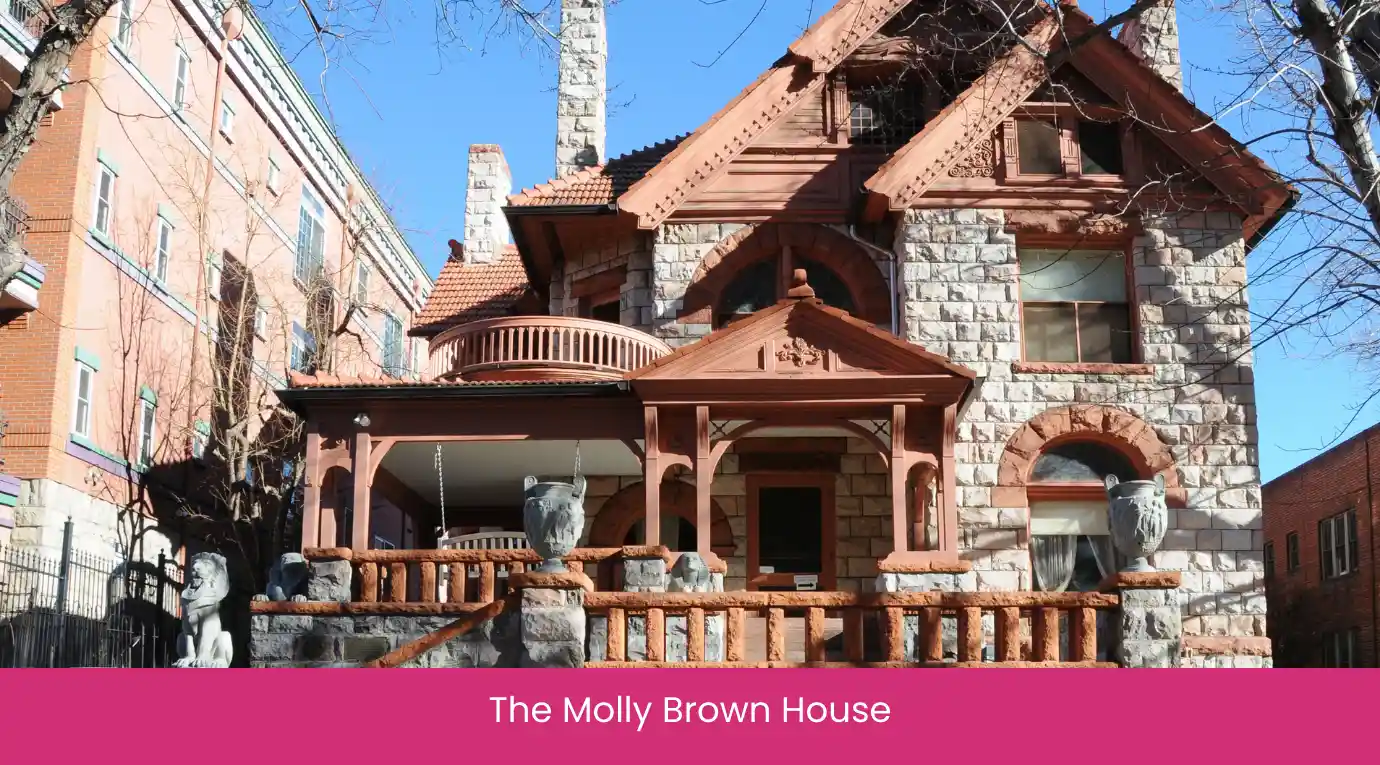
Address and Location
Molly Brown House Museum
1340 Pennsylvania Street
Denver, Colorado 80203
United States
This house is located in the historic Capitol Hill neighbourhood in the City of Denver.It is not far from downtown or many other important buildings.Visitors can easily walk to nearby parks, museums and restaurants.
History of the House
The house was erected in 1889 by a well-known architect of the day, William A. Lang.It incorporated a combination of styles, particularly Queen Anne and Richardsonian Romanesque styles.It is with these styles that the house looks grand, elegant, and very special.
The original owners were wealthy people in Denver, Isaac and Mary Large.But in 1894, the house was bought by Molly Brown’s husband, James Joseph Brown (J.J.), who made a fortune by success in mining.The purchase price was $30,000 in 1894, which was a large sum at that time.
Architecture and Size
The Molly Brown House is a two-and-a-half-story stone edifice. It has:
- A basement
- A first floor with large parlours (sitting rooms), dining room, kitchen, etc.
- A second floor – bedrooms, living spaces
- A third floor that was originally a ballroom
The house also featured modern conveniences for its time, including:
- Electricity
- Indoor plumbing
- Telephone service
- Central heat
These features were not common in the 1880s and gave an idea of how rich the Browns were.The general design and overall size made the home beautiful and practical at the same time.It was a place of entertainment, family life and social meetings.
Use of the House Over Time
The Molly Brown House has been extremely versatile:
- The home of the brown family for many years
- A rental property, as the Browns travelled
- Governor’s Mansion of Colorado in 1902, when the official mansion was being repaired
- A boarding house in the 1920s and 1930s
- A rooming house for men
- A settlement house (similar to a community centre)
- Apartments for rent
By the 1960s, the house was in disrepair. It was almost torn down. But a group of citizens in Denver formed a group to save and restore it.Today, it is a museum that is open to the public and a symbol of historic preservation.
History of the Main House Prices
Here are some of the significant real estate prices:
- Purchased by the Browns in 1894 for $30,000
- Sold after Molly Brown’s death in 1932 for $6000
These prices indicate the change in the value of the property over time due to the economy, neighbourhood condition and historic events.
Restoration and Museum
A group known as Historic Denver, Inc., purchased the house in 1970 to save it from demolition.They restored the house painstakingly, using old photographs and research.Today, the house is open as a museum with many original items and period pieces, which help to give visitors a sense of what life was like in the early 1900s.
Guided tours can be taken by visitors to learn about:
- Molly Brown’s life
- Social history of Denver
- Preservation efforts
2. Avoca Lodge: The Molly Brown Summer Lodge
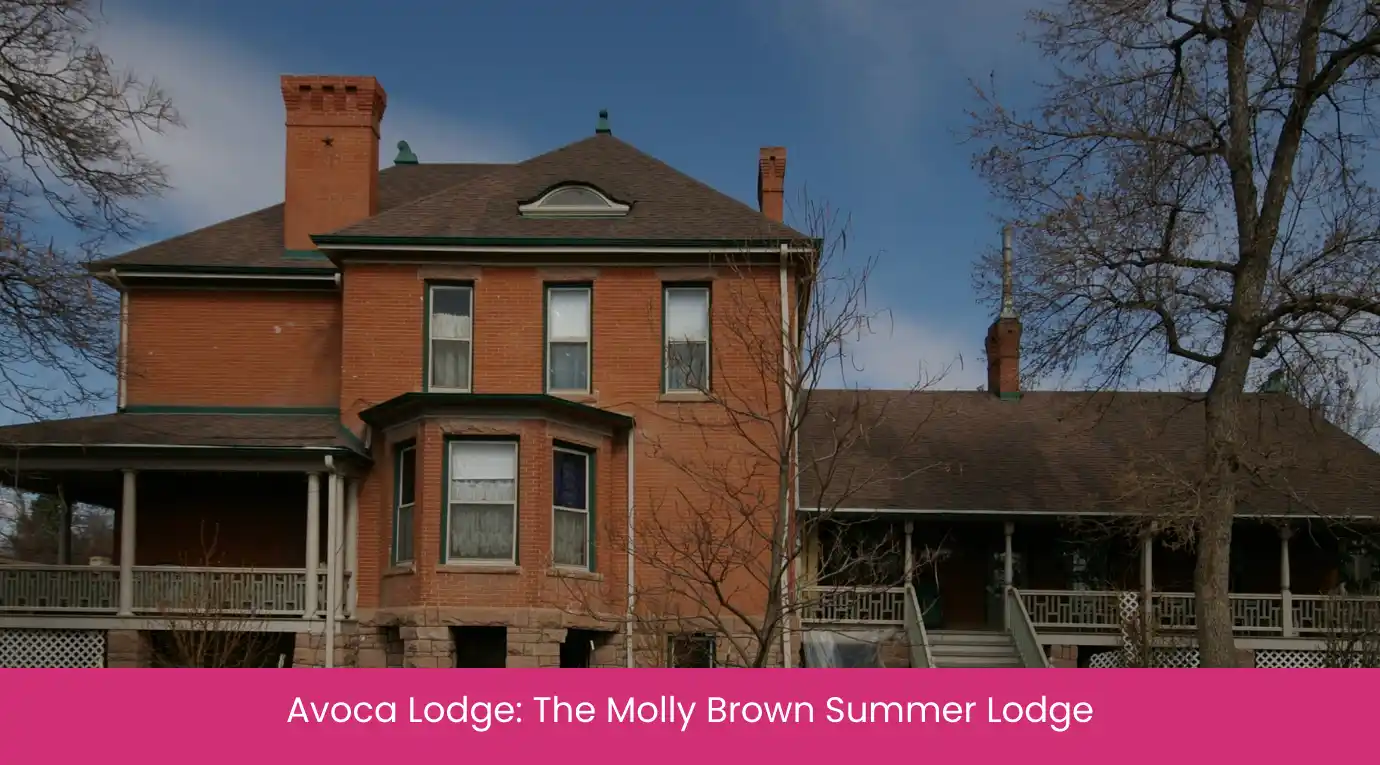
Address and Location
Avoca Lodge (Molly Brown’s summer home)
2690 South Wadsworth Boulevard
Denver, Colorado
(near Bear Creek, southwest Denver)
This property was a summer getaway for Molly Brown and her husband, J.J. Brown.It is located about 10 miles to the southwest of the main house.
History of Avoca Lodge
In 1897, the Browns constructed this second home to get away from the busy city life.It was a peaceful place where they could relax and entertain their friends and family.The property initially consisted of hundreds of acres of land, but most of it was later sold.
Avoca Lodge was known for:
- Its large size and the feel of an estate
- Natural surroundings
- Use as a summer home
Eventually, the Browns spent less time there and leased it out to others.In 1928, they sold it to another family (the Fehlmanns).Over time, the land around it was reduced in size due to the sale of parcels of land.
Importance
Avoca Lodge is an elegant house in the Foursquare style, a popular design at the time. The home, much like the Paul Castellano House, shows the wealth and taste of the owners, and their desire for comfort and social space.
The summer house is historically important because it demonstrates the lifestyle of the affluent families in the late 1800s.It gives an insight into the way the Browns lived outside the city.
3. Leased Homes: Newport Cottages
During her life, Molly Brown also spent time in Newport, Rhode Island.Newport was renowned for its great mansions and summer cottages for the wealthiest American families.
Leased Properties in Newport
Two homes in Newport were leased by Molly Brown on Bellevue Avenue:
- Mon Etui, 44 Bellevue Avenue
- 40 Bellevue Avenue, also known as the Club Cottage
These cottages were a part of the high society community in Newport.Although these properties were not Molly’s to own, she lived in them seasonally and entertained guests there.These experiences reveal the extent to which she was connected and social.
4. Why the Molly Brown Home Is Important
Historic and Cultural Importance
The Molly Brown House is one of the best examples of historic preservation in the United States. It stands for:
The life of a strong and independent woman at the turn of the 20th century
- Historic preservation movements for saving important landmarks
- The emergence of Denver in a period of rapid growth in the American West
- Victorian architecture and society in Colorado
Molly Brown’s life has been remembered not only because she survived the Titanic, but because she worked for social change, including:
- Women’s rights and suffrage
- Education and support fromthe community
- Helping the mining families and workers
5. Visiting the Molly Brown House Museum
When you visit there, you need such items
- Guided tours of the home
- Exhibits concerning Molly Brown’s life and times
- Artifacts, furniture, clothing and personal items
- A museum store which houses books and gifts
- Special events all through the year
The museum is open most days of the week and has different times for the tour.Visitors need to check up-to-date schedules before going.
The house is not only a symbol of courage, style, generosity and perseverance, but also a symbol of the life of one woman, and a broader narrative of American history.
Conclusion
The Molly Brown House and related properties that are associated with Margaret “Molly” Brown are not just old buildings.They are living examples of history which tell a powerful story of a remarkable woman and an expanding city.
From the elegant home at 1340 Pennsylvania Street in Denver, to the peaceful Avoca Lodge summer house, to the leased cottages in Newport, these properties illustrate how Molly Brown lived, worked, travelled and influenced people throughout the country.
Although some exact size information and modern prices cannot be found, the descriptions and prices of historic purchases help us to understand the value and importance of these properties during their time.
For more insights on luxury celebrity real estate, keep visiting homesinfoguide.com.
