
Spanish Style House: Architecture, Interior Design, Price & Benefits
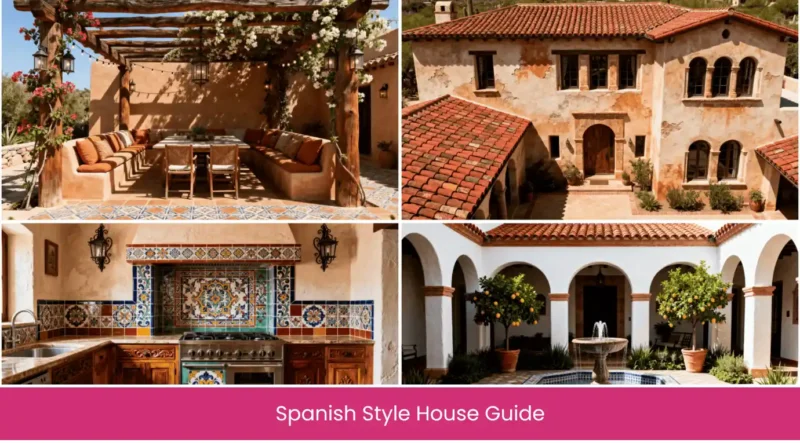
One of the most beautiful and immortal designs of homes in the world is the Spanish style house. They are characterized by warm colors, graceful curves, and closeness to nature. These houses are based on the traditional houses in Spain, particularly in areas such as Andalusia and the Mediterranean coast. This form of architecture has, over time, gained a lot of popularity in most countries, particularly in warm areas like the United States, Mexico, and certain parts of South Asia.
Introduction to Spanish Style Houses
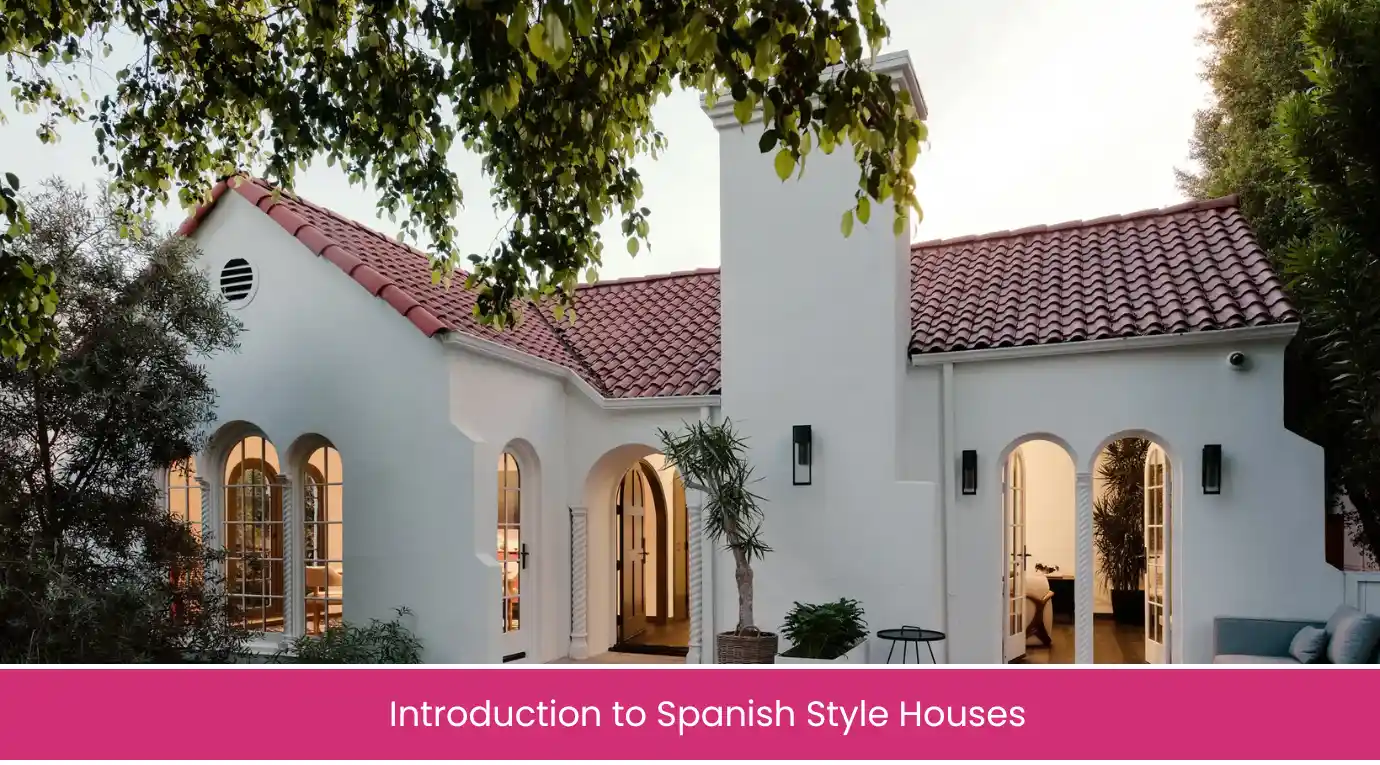
A Spanish style house is a kind of home that applies the Spanish architecture. These houses will be planned to be cool in hot seasons and will give the occupants a comfortable and relaxing atmosphere. The layout is based on simplicity, natural materials, and open spaces. This style was popular in the early 20 th century, particularly in such states as California and Florida. Nowadays, it is popular in contemporary buildings due to its attractiveness and functionality.
Spanish houses are also referred to as:
- Spanish Colonial homes
- Mediterranean homes
- Hacienda-style homes
All variations are a bit different, yet they have similar design features.
Historical Background
The Spanish style homes are characterized by a long history of hundreds of years of existence. The design was initially created in Spain, where the constructors required houses that would allow them to withstand the hot weather but at the same time be comfortable indoors. In their adventures to other regions globally, Spanish settlers took this type of architecture. It was introduced to Latin America and North America.
At the beginning of the 20th century, American architects began to construct Spanish-style houses once again, particularly in California. This revival led to the style gaining popularity once again, and it is still in use to date.
Major Features of Spanish-style Houses
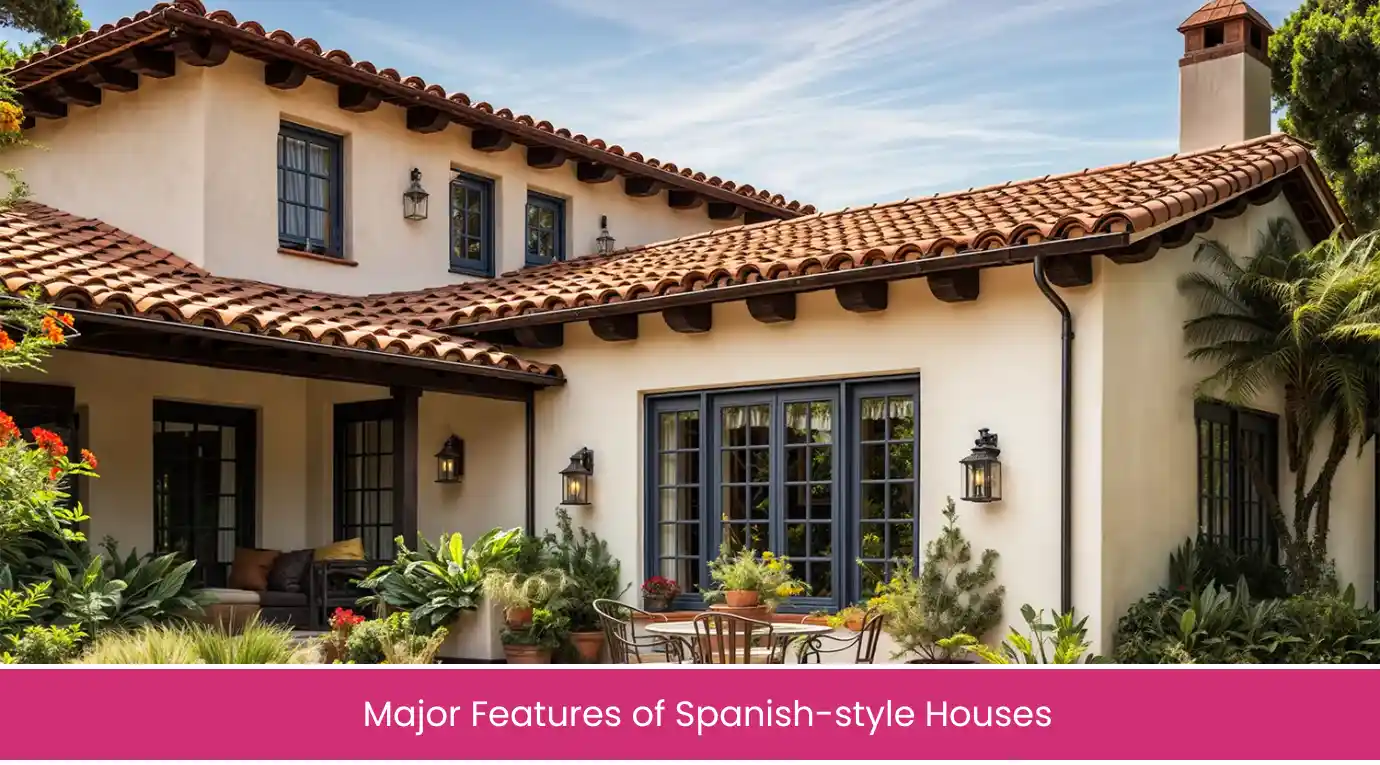
Spanish style home are is to recognize for their distinct architectural elements and timeless design. Every feature in these homes is carefully designed to serve both practical and visual purposes. These homes are not only beautiful but also highly functional, especially in warm climates. Below is a detailed explanation of the most important features that define Spanish style.
Covered With Red Clay Tiles
One of the most iconic features of Spanish style houses is the red clay tile roof. These tiles are typically curved and arranged in overlapping patterns, which help direct rainwater efficiently. The natural composition of clay allows the roof to withstand high temperatures without absorbing too much heat.
Benefits:
- Maintains the house cool.
- Durable and long-lasting
- Resistant to heat
White or Earth-Toned Walls
Spanish style homes commonly feature walls made of stucco, a material created from a mixture of cement, sand, and lime. These walls are usually painted in light or earthy tones such as white, beige, cream, or soft brown. The choice of color is not just for visual appeal but also for environmental efficiency.
Advantages:
- Reflect sunlight
- Keep interiors cool
- Give a clean and elegant look
Arched Doorways and Windows
Arches are a defining feature in Spanish architecture, replacing sharp, straight lines with smooth curves. Doorways, windows, hallways, and even interior openings often have arched designs. This architectural element is inspired by traditional European and Moorish styles
Why it matters:
- Adds beauty and softness
- Improves airflow
- Produces an old-fashioned appearance.
Courtyards
A central courtyard is one of the most functional and attractive features of Spanish style homes. This open-air space is usually located in the middle of the house or just outside the main living area. It serves as a private outdoor area where residents can relax and enjoy nature.
Features:
- Frequently has vegetation or a waterfall.
- Provides natural light
- Offers privacy
Wooden Beams
Exposed wooden beams are commonly seen on the ceilings of Spanish style houses. These beams are usually made from strong, natural wood and are left visible rather than hidden. They play both a structural and decorative role in the home.
Benefits:
- Adds warmth
- Enhances rustic appearance
- Strong and durable
Wrought Iron Details
Wrought iron is widely used in Spanish style houses for both decorative and functional purposes. It is commonly found in railings, window grills, gates, balconies, and light fixtures. The iron is often shaped into intricate patterns, adding artistic detail to the home.
One of the main purposes of wrought iron is security. Strong iron bars on windows and gates help protect the house while still allowing air and light to pass through. At the same time, these elements enhance the visual appeal of the property by adding a classic and elegant touch. Wrought iron is also a long-lasting material that can withstand weather conditions with minimal maintenance, making it a practical choice for exterior and interior design.
Small Windows
Unlike modern homes that often feature large glass windows, Spanish style houses typically have smaller windows. This design choice is mainly influenced by climate and functionality.
Smaller windows help reduce the amount of heat entering the house, keeping the interior cooler during hot weather. This contributes to better energy efficiency and a more comfortable living environment. While the windows may be smaller, they are often strategically placed to allow sufficient natural light and ventilation.
Reason:
- Lowers the amount of heat entering the house.
- Keeps the interior cool
Interior Design of Spanish Style Homes
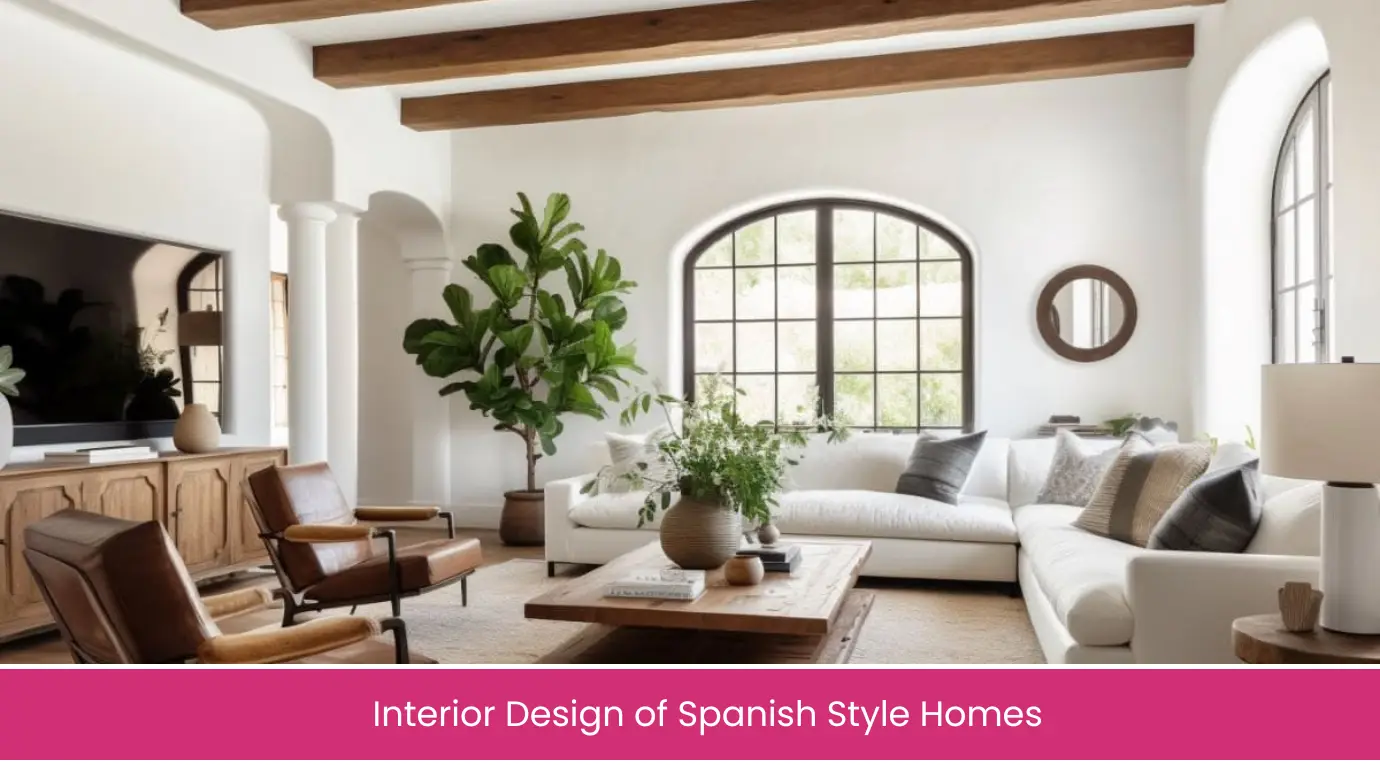
The interior design of Spanish-style homes reflects the same warmth, simplicity, and natural beauty found in their exterior architecture. These homes are carefully designed to create a comfortable and inviting atmosphere where every element feels connected to tradition and nature. The use of natural materials, warm colors, and handcrafted details plays an important role in shaping the interior environment. The overall goal is to create a space that feels cozy, relaxed, and timeless while still being practical for everyday living.
Flooring
Flooring in Spanish-style homes is an essential part of the interior design and is usually made from natural, durable materials. One of the most commonly used options is terracotta tiles, which are known for their earthy red and brown tones. These tiles not only add a rustic and traditional appearance but also help keep the house cool, especially in warm climates. Their natural ability to absorb less heat makes them a practical choice for maintaining indoor comfort.
Walls and Colors
The walls in Spanish-style homes are designed to enhance the feeling of warmth and comfort. They are often finished with plaster or stucco, giving them a slightly textured look that adds depth and character. The color palette used for interior walls is typically inspired by natural elements.
Neutral tones such as white, beige, and cream are commonly used as base colors. These shades help reflect light and make rooms feel more open and airy. Along with neutrals, warm colors like orange, brown, yellow, and soft red are frequently added to create a cozy and welcoming atmosphere. These colors are often inspired by the sun, earth, and natural landscapes.
Furniture
Furniture in Spanish-style homes is typically simple, functional, and made from natural materials. Wood is the most commonly used material, and pieces are often handcrafted to reflect traditional craftsmanship. The furniture design focuses more on durability and authenticity rather than modern trends.
Wooden tables, chairs, cabinets, and beds are often heavy and solid, giving a strong and stable feel. Many pieces feature carved details or decorative elements that add character without being overly complex. The finishes are usually dark or natural, which enhances the rustic and classic look of the home.
Lighting
Lighting plays a key role in defining the mood of Spanish-style interiors. Instead of using overly bright or modern lighting, these homes focus on warm and soft illumination. The goal is to create a relaxing and inviting environment, especially during the evening.
One of the most common lighting features is the iron chandelier. These chandeliers are often designed with curved shapes and decorative details, reflecting traditional Spanish craftsmanship. They are usually placed in central areas such as living rooms or dining spaces, where they act as both a light source and a decorative centerpiece.
Lantern-style lights are also widely used, especially in hallways, entryways, and outdoor areas. These fixtures often have a vintage look and provide a soft, diffused light that enhances the cozy atmosphere. Wall-mounted lights and table lamps may also include iron or bronze elements, maintaining consistency in design.
Real Estate Value
The homes of Spanish style are of high value in real estate.
Why They are Valuable
- Unique design
- High durability
- Energy efficiency
- Timeless appeal
Investment Benefits
- Good resale value
- High demand in warm regions
- Attractive for buyers looking for luxury and tradition
Experts in real estate tend to believe that Spanish homes are a safe investment since they have always been popular.
Benefits of Spanish Style Houses
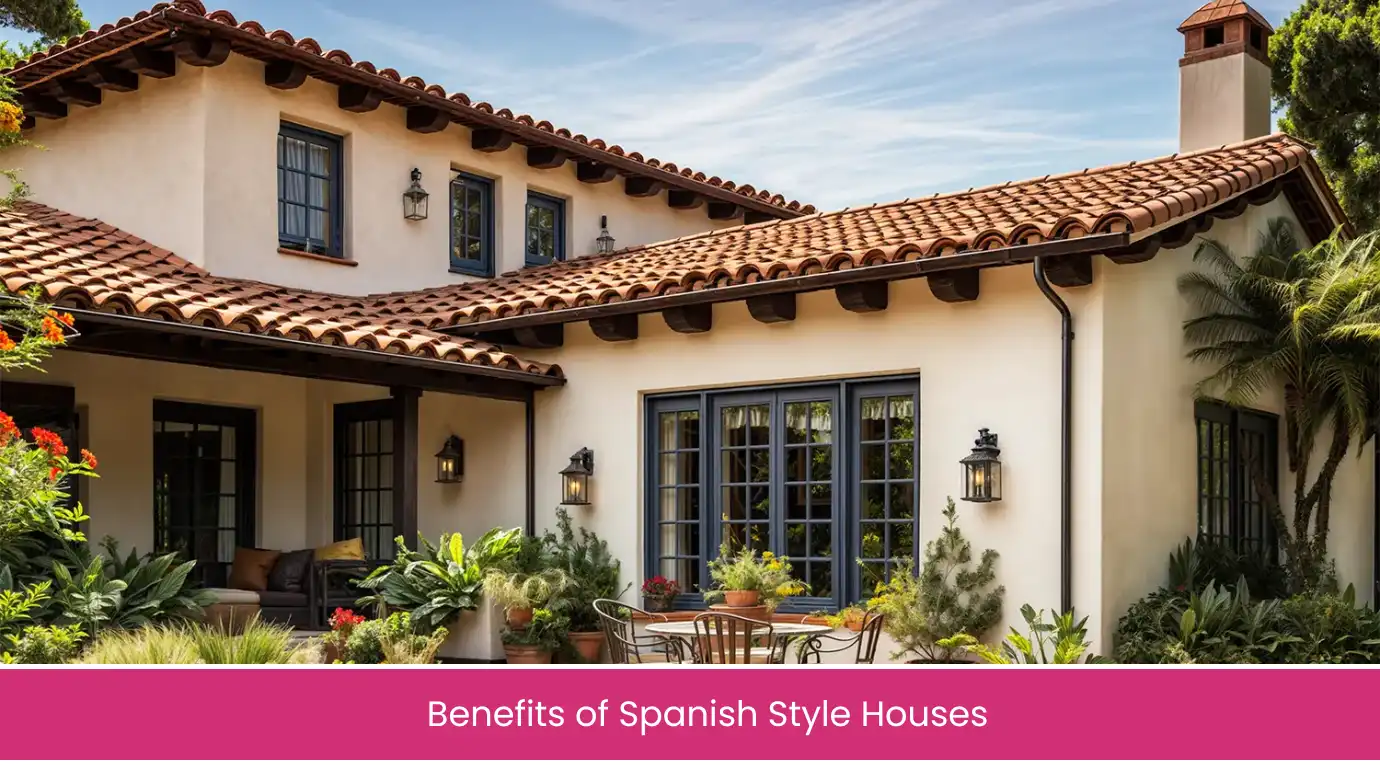
Spanish-style houses offer many benefits that make them a popular choice for homeowners around the world. Their design focuses on comfort, durability, and long-term value, making them both practical and visually appealing. Below are the key advantages explained in detail.
1. Energy Efficiency
One of the biggest advantages of Spanish-style houses is their natural ability to stay cool. These homes are designed with thick walls, small windows, and materials like stucco and clay that help reduce heat absorption. As a result, the indoor temperature remains comfortable even in hot weather. This reduces the need for air conditioning, which can lower electricity costs and make the home more energy-efficient over time.
2. Durable Construction
Spanish homes are built using strong and long-lasting materials such as clay tiles, stone, wood, and stucco. These materials are known for their durability and ability to withstand harsh weather conditions. Clay roofs, for example, can last for decades without needing replacement.
3. Aesthetic Appeal
The design of Spanish-style houses is timeless and elegant. Features like red tile roofs, arched doorways, and warm color tones create a unique and attractive appearance. This style does not go out of fashion, which means the home continues to look beautiful even after many years.
4. Low Maintenance
Another important advantage is that Spanish-style homes require relatively low maintenance. The materials used, such as stucco and clay, are resistant to damage and do not need frequent repairs. Unlike some modern materials, they do not easily wear out or lose their appearance. With basic care, these homes can remain in good condition for a long time, saving both time and money on maintenance.
5. Comfortable Living
Spanish-style houses are designed to provide a peaceful and comfortable living environment. Their layout often includes open spaces, courtyards, and good airflow, which create a relaxing atmosphere. Natural light, combined with warm interior colors and simple design, makes the home feel welcoming and cozy.
Disadvantages of Spanish Style Houses
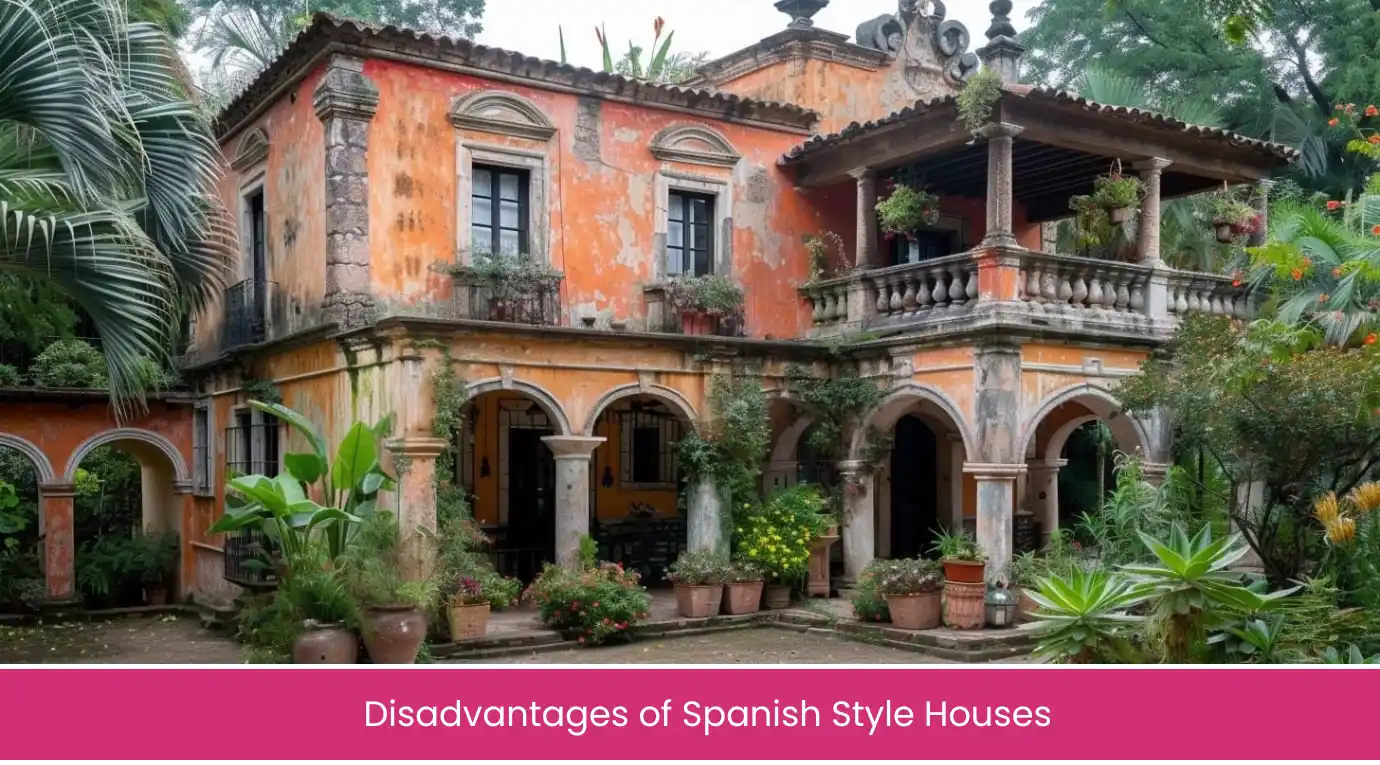
While Spanish-style houses have many advantages, there are also some drawbacks to consider. Understanding these limitations can help homeowners make better decisions before building or buying such a property.
1. Higher Initial Cost
One of the main disadvantages is the higher initial cost of construction. Materials like clay roof tiles, natural stone, and high-quality wood can be expensive. In addition, skilled labor is often required to achieve the traditional design, which can increase construction costs.
2. Small Appropriateness in Low Temperatures
Spanish-style houses are best suited for warm and sunny regions. Their design focuses on keeping interiors cool, which may not be ideal in colder climates. Features like small windows and tile flooring can make the interior feel colder during winter.
3. Smaller Windows
Another limitation is the use of smaller windows compared to modern homes. While this helps reduce heat and improve energy efficiency in warm climates, it can also limit the amount of natural light entering the house. This may make some rooms feel darker, especially during the day.
Where Spanish Style Houses Are Popular
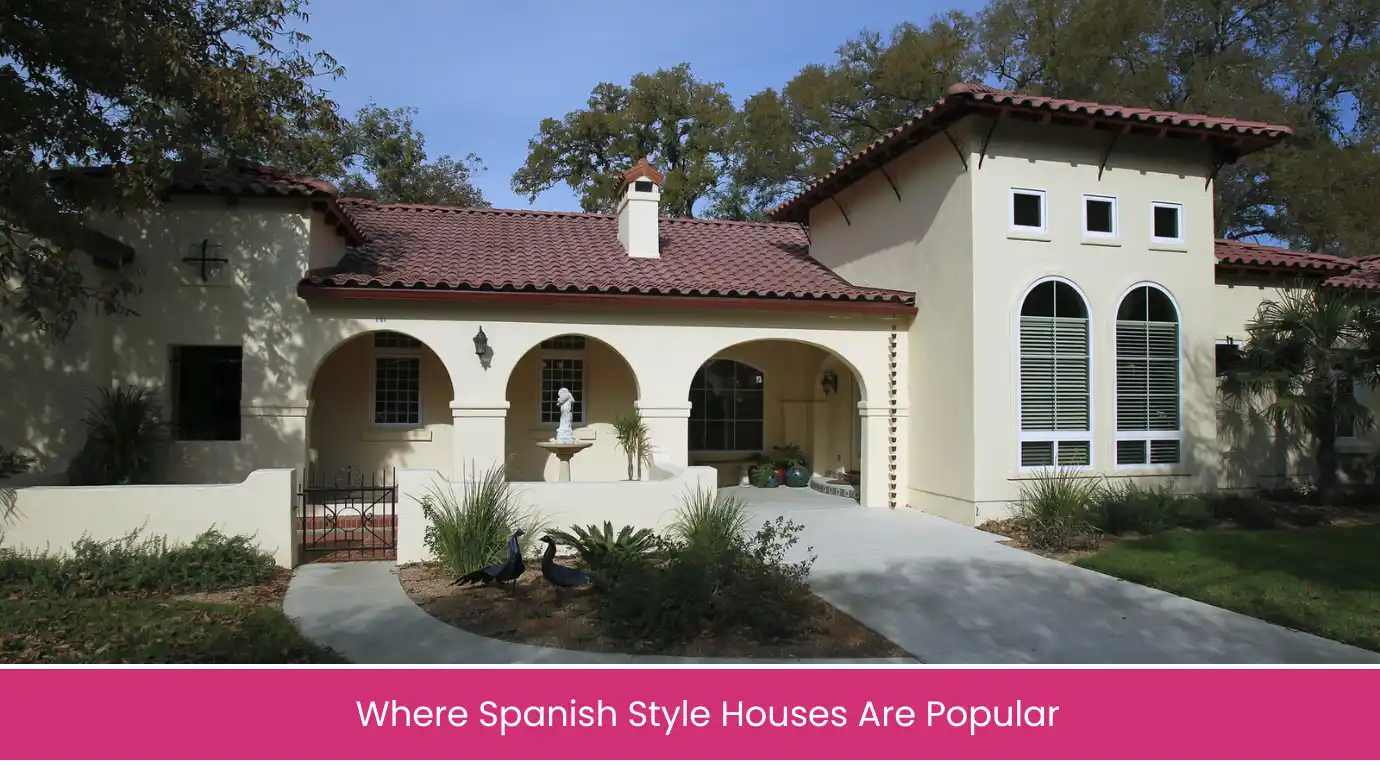
These homes are mostly found in warm and sunny regions.
Popular Locations
- California (USA)
- Florida (USA)
- Spain
- Mexico
- Mediterranean countries
They are also becoming popular in South Asia and the Middle East due to similar climate conditions.
Building a Spanish Style House
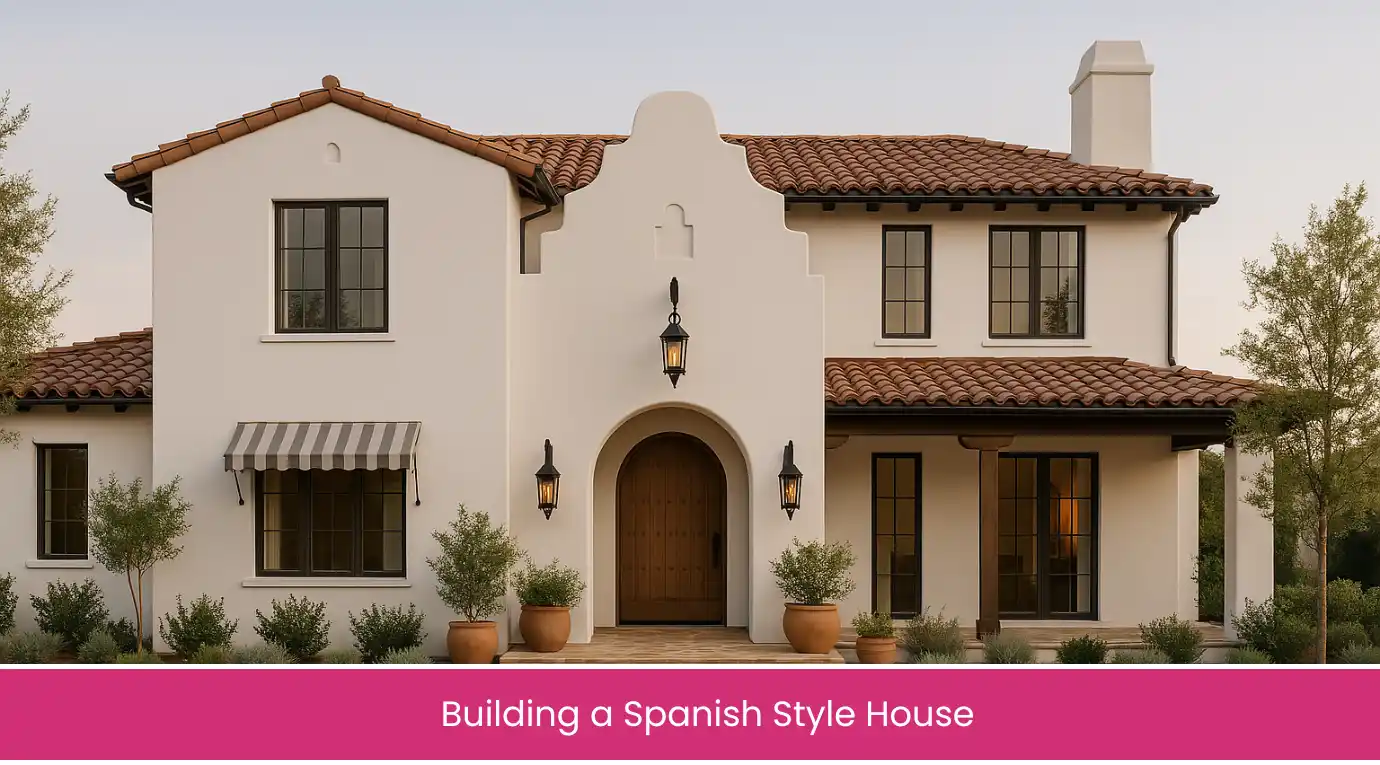
Building a Spanish-style house requires careful planning, the right materials, and skilled professionals to achieve the traditional look and long-lasting quality. This type of construction is not only about appearance but also about creating a home that is comfortable, durable, and suitable for warm climates. Every stage of the building process plays an important role in ensuring that the final structure reflects the true essence of Spanish architecture while meeting modern living standards.
Requirements for Building a Spanish Style House
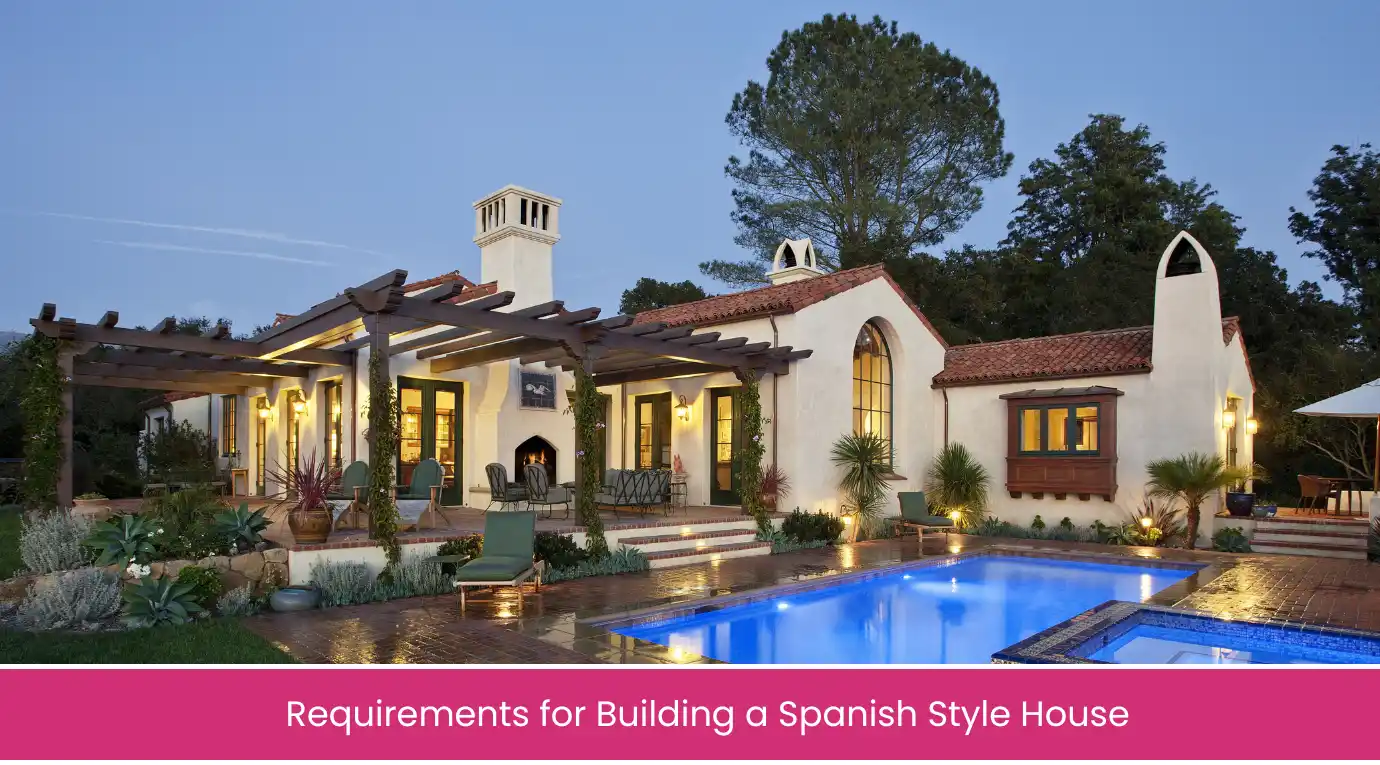
Before starting construction, it is important to understand the key requirements needed to successfully build a Spanish-style home. These elements form the foundation of the entire project and directly affect the quality and outcome of the house.
- Skilled Architects
One of the most important requirements is hiring experienced architects who understand Spanish architectural design. These professionals are responsible for creating a layout that includes essential features such as arches, courtyards, tiled roofs, and proper ventilation. A skilled architect ensures that the design is both visually appealing and structurally sound while maintaining the traditional style.
- Quality Materials
Using high-quality materials is essential for achieving durability and authenticity. Spanish homes rely on natural materials such as clay tiles, stucco, wood, and stone. These materials not only enhance the appearance of the house but also improve its ability to handle heat and weather conditions. Choosing good-quality materials reduces maintenance costs and increases the lifespan of the home.
- Proper Planning
Proper planning is necessary to avoid delays and unexpected costs during construction. This includes budgeting, selecting the right location, and preparing a detailed construction plan. Planning also involves understanding local building regulations and ensuring that the design meets all legal requirements. A well-organized plan helps the construction process run smoothly from start to finish.
Construction Steps of a Spanish Style House
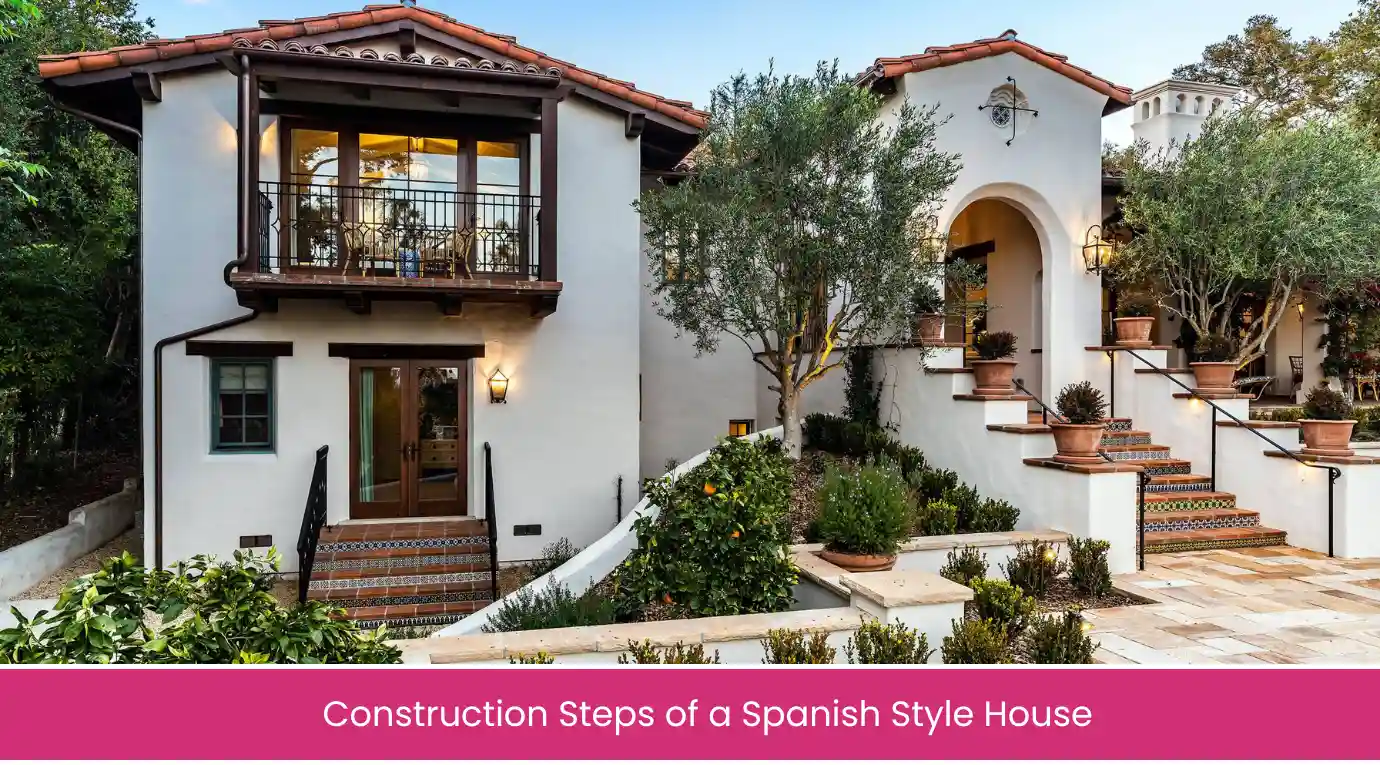
The construction of a Spanish-style house follows a step-by-step process, where each stage is carefully completed before moving to the next. These steps ensure that the house is built with a strong structure, proper design, and high-quality finishing.
- Design Planning
The first step is creating a detailed design plan. This includes deciding the layout of the house, the number of rooms, and the placement of features such as courtyards, windows, and doors. The design should focus on both functionality and traditional style, ensuring good airflow, natural lighting, and comfortable living spaces.
- Material Selection
After finalizing the design, the next step is selecting the appropriate materials. Builders choose materials like clay roof tiles, stucco for walls, wooden beams, and stone flooring. The selection process is important because it affects the durability, appearance, and cost of the house. Using authentic materials helps achieve the true Spanish look.
- Foundation Building
The foundation is the base of the entire structure and must be strong and stable. This step involves preparing the ground and laying a solid foundation that can support the weight of the house. A well-built foundation ensures the safety and long-term stability of the building.
Wall Construction
Once the foundation is complete, the walls are constructed using materials such as brick or concrete, which are then covered with stucco. The walls are usually thick, which helps in maintaining indoor temperature and improving energy efficiency. Openings for doors and windows, often with arched designs, are also created during this stage.
- Roofing
Roofing is a key feature of Spanish-style homes. Clay tiles are installed in overlapping patterns to create the traditional curved roof design. This type of roofing not only adds to the visual appeal but also protects from heat and weather. Proper installation is important to ensure durability and prevent leaks.
- Interior Finishing
The final step is interior finishing, where the inside of the house is completed. This includes installing flooring, painting walls, adding wooden beams, and setting up lighting fixtures. Finishing touches are carefully done to maintain the warm and traditional look of Spanish interiors while ensuring comfort and functionality.
Size and Layout
Spanish houses are available in various sizes according to place and budget.
Average Size
- Small homes: 1,200 to 2,000 square feet
- Medium homes: 2,000 to 3,500 square feet
- Big houses: 3,500 square feet and above.
Layout Design
The majority of Spanish houses have an open design.
Common layout features:
- Central courtyard
- Dining area attached to the living room.
- Privately located bedrooms.
- Outdoor areas such as patios and gardens.
Why Spanish-Style Houses Are Still Popular
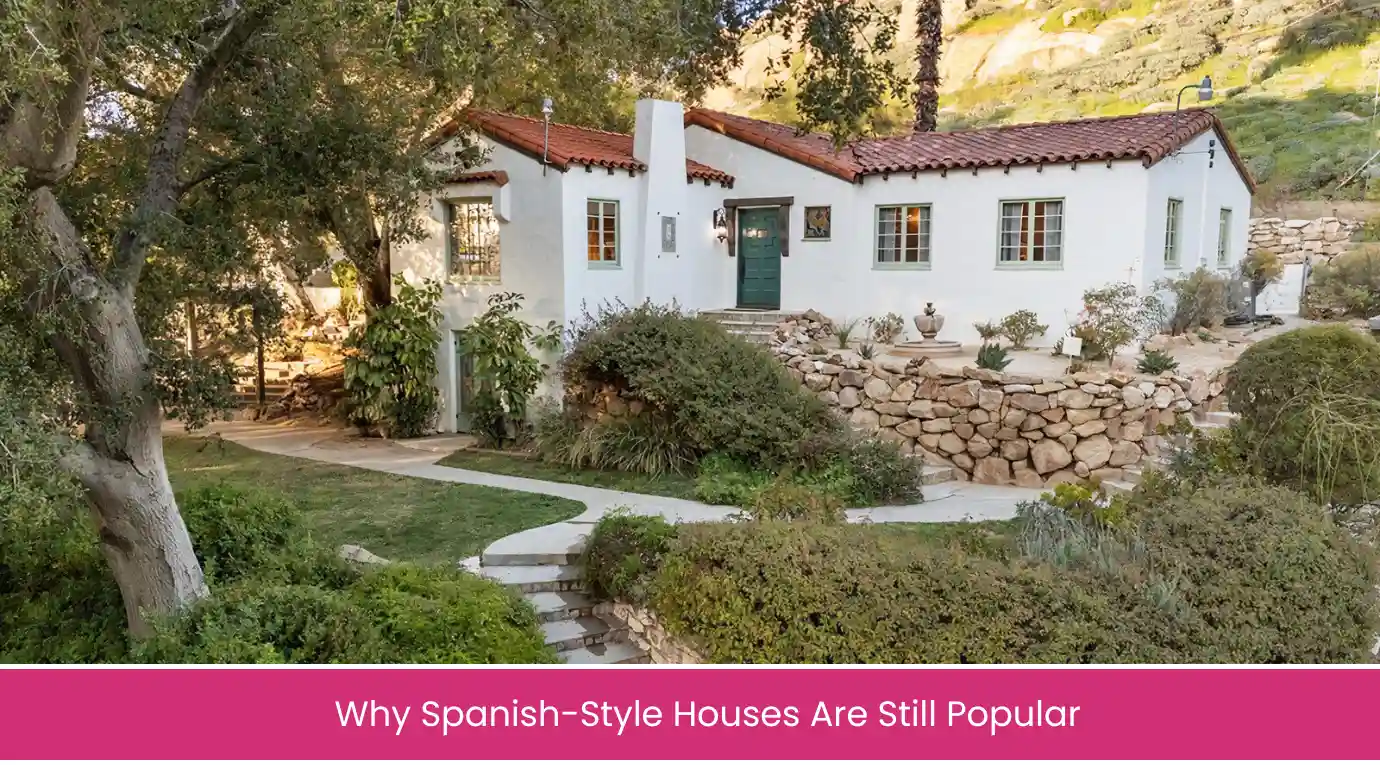
Spanish-style houses remain popular because they offer a timeless design that never goes out of fashion. Their classic features, such as warm colors, natural materials, and elegant architectural details, make them attractive to many homeowners. These homes are also well-suited for warm climates, as their thick walls and smart design help keep interiors cool and comfortable.
In addition, Spanish homes are known for their durability and low maintenance, as they are built using strong materials like clay, stone, and wood. They also provide a peaceful and comfortable living environment with good airflow and open spaces. Because of their beauty, practicality, and strong resale value, Spanish-style houses continue to be a preferred choice in the real estate market.
Reasons
- Classic design
- Comfortable living
- High resale value
- Cultural charm
These homes are popular among people due to the ideal combination of tradition and modern comfort.
Conclusion
Spanish style house is not the name of a building, but they are a part of history, culture and intelligent design. They are the first choice of homeowners all over the world due to their ability to keep cool, good building, and their attractive look.
Whether you want to buy, build, or invest, a Spanish-style house offers long-term value and a unique living experience. With the right planning and care, these homes can last for generations and continue to provide comfort and elegance.
For more helpul and amaizng information for modern architect designs, keep visiting homes info guide.
FAQs About Spanish Style Home
What is a Spanish-style house?
Answer
A Spanish-style house is a housing style that is based on traditional Spanish architecture. It has been characterized by its roofs made of red clay tiles, stucco walls, arched doorways, and interior warm design. These homes are meant to remain cool in hot climates, and they usually have open spaces such as courtyards to allow natural light and air to flow.
Why are popular Spanish-style houses?
Answer
The popularity of Spanish-style houses is due to the fact that it is a combination of beauty, comfort, and durability. Their classic design ensures that they are appealing for several years, and their natural substances ensure that the inside temperature is cool. They are also very good in value as real estate, thus a good investment and living choice.
Are Spanish-style homes expensive to construct?
Answer
A Spanish-style home may be more expensive to construct than some modern house designs of houses since they require quality materials such as clay tiles, stone, and wood. Skilled craftsmanship is also needed to achieve the traditional look. Nevertheless, these houses are long-term prolific because they are durable and do not have many maintenance needs.
What materials are used in Spanish-style houses?
Answer
The houses constructed in Spanish style are also constructed with natural materials, which include stucco, clay tiles, stone, and wooden beams and doors as the major materials. Wrought iron is also popularly used in decorative and security purposes, such as railings and window grills.
