
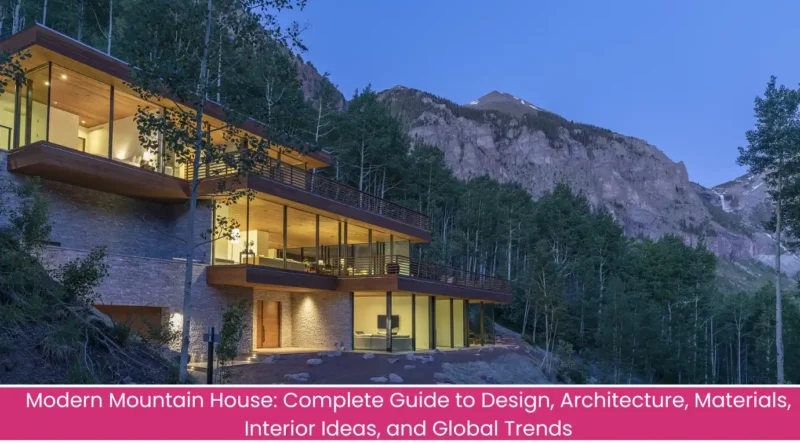
Modern Mountain House: Design, Architecture and Interiors
A modern mountain house combines the rustic, natural feel of traditional mountain living with clean, minimal modern architecture. It uses natural materials like wood and stone alongside large glass windows, open floor plans and strong geometric shapes, designed to handle tough mountain weather while framing the surrounding views. These homes are popular in regions like the Rocky Mountains, the Alps and the Canadian Rockies, often as luxury or vacation residences.
More than a style, a modern mountain house is a way of living that puts nature, comfort and simplicity first. This guide covers its key features, materials, interiors and challenges.
Last checked: November 2026
Modern Mountain House at a Glance
| Element | Typical Feature |
|---|---|
| Windows | Large, often floor-to-ceiling glass |
| Materials | Wood, stone, steel, concrete, glass |
| Layout | Open floor plan |
| Roof | Sloped (snow) or low-slope/flat |
| Style | Minimal, geometric, nature-connected |
What Is a Modern Mountain House?
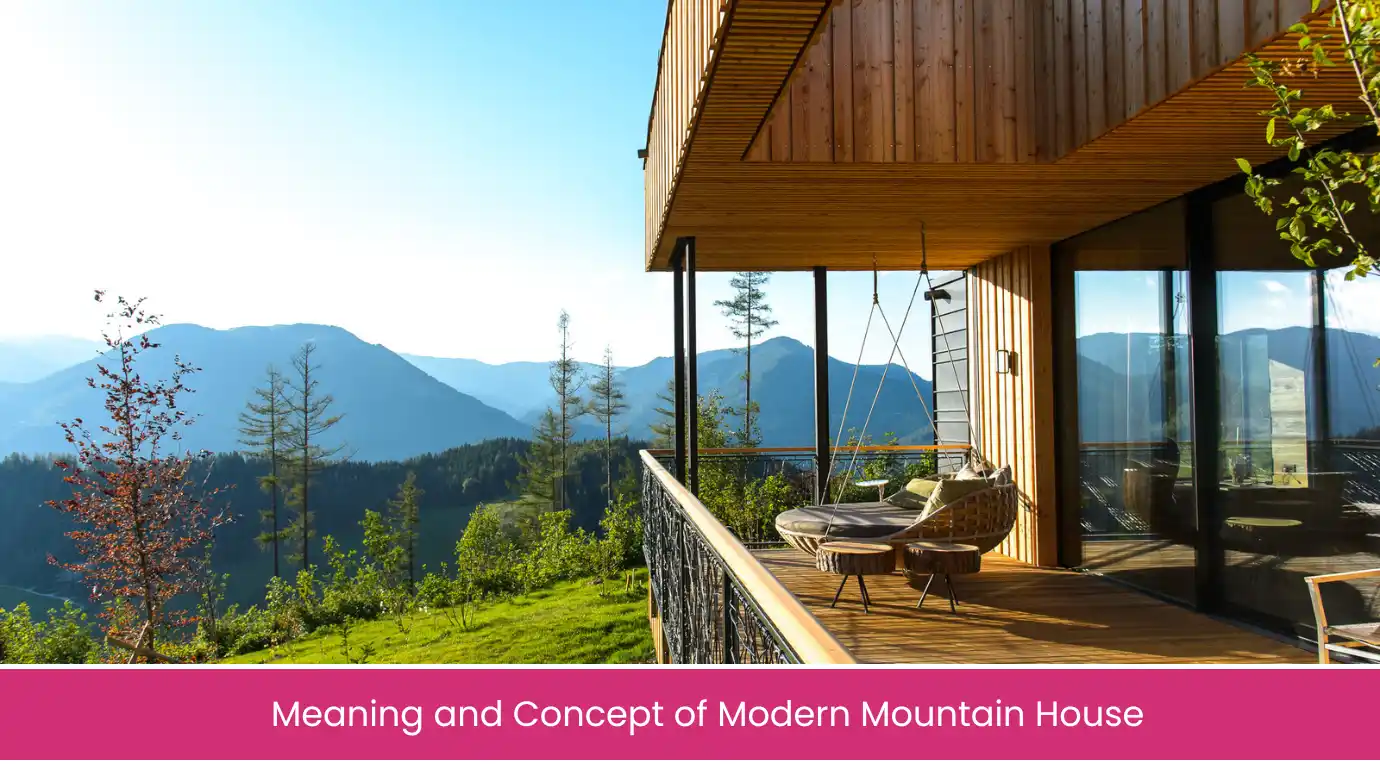
A modern mountain house blends two styles: the rustic, natural character of mountain living and the simple, minimal lines of modern design. Classic mountain homes were built from heavy wood and stone to survive cold and snow, which made them cosy but often dark. Modern architecture adds glass, steel, concrete and open layouts, prioritising light, space and simplicity.
Combining the two keeps the natural charm of mountain life while shedding the heavy, old-fashioned feel. These homes became especially popular across North America and Europe in the late 20th and early 21st centuries, and are now a sought-after style for ski-resort areas, vacation homes and high-end developments. For a warm-climate counterpart that also leans on natural materials, see the Spanish style house guide.
Main Features of a Modern Mountain House
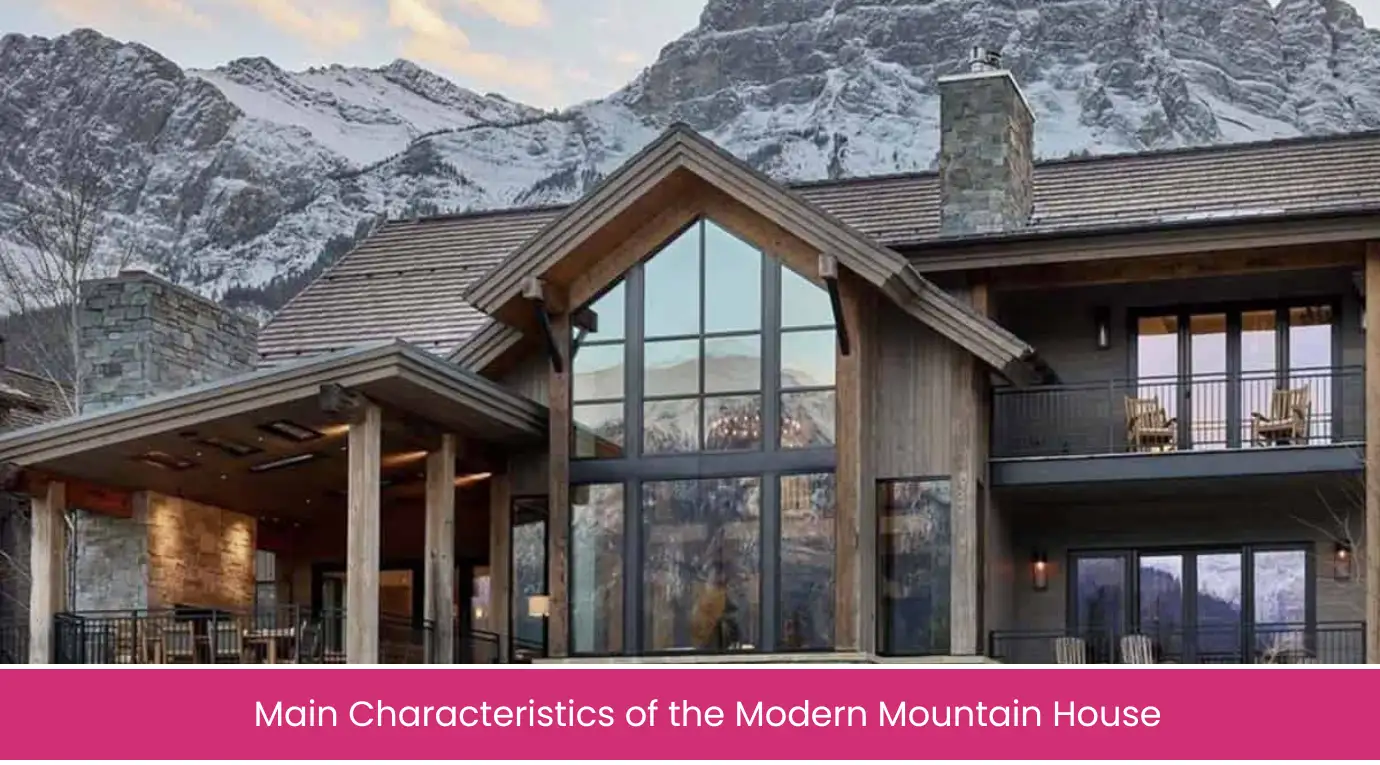
Several features set modern mountain homes apart from ordinary houses.
Large glass windows: Often whole walls of glass, framing views of mountains, forests and snow while flooding rooms with natural light.
Natural materials: Wood (oak, pine, cedar, walnut), stone (limestone, slate, granite), metal and concrete, chosen to blend with the landscape.
Open floor plan: Fewer walls, with living, dining and kitchen areas flowing together for a sense of space.
Sloped roofs: In snowy areas, pitched roofs let snow slide off; some modern designs use flat or low-slope roofs in milder climates.
Indoor-outdoor connection: Large sliding doors, decks, patios and terraces bring the outdoors in.
Minimal decoration: Clean walls and a few high-quality furnishings keep the focus on the views and materials.
Materials Used in Modern Mountain Houses
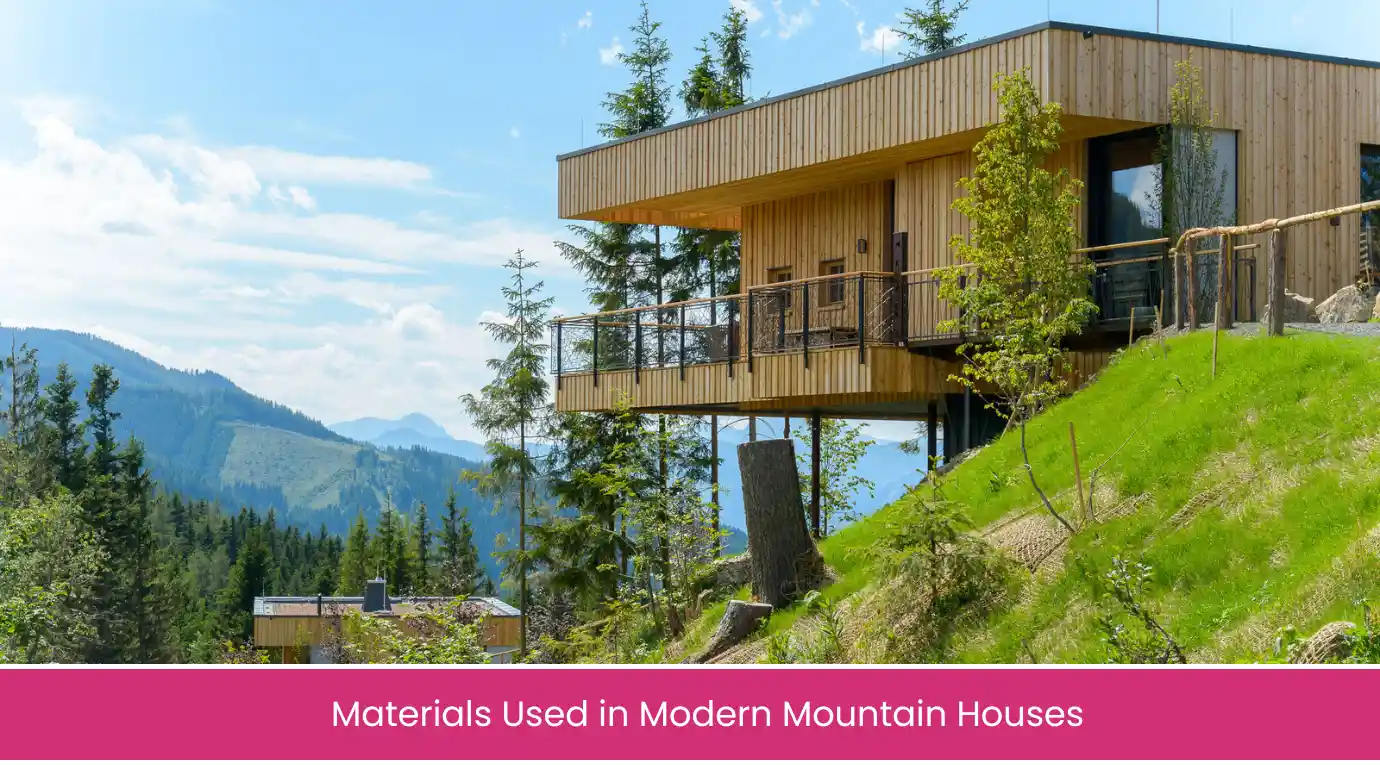
Materials do double duty here, standing up to harsh weather while keeping a natural, modern look.
Wood is the signature material, used on floors, walls, ceilings and furniture for warmth and natural insulation. Stone appears in fireplaces, feature walls and exteriors, giving a solid look and helping the home blend into rocky surroundings. Glass is what makes a mountain house feel truly modern, used in floor-to-ceiling windows and sliding doors to connect inside and out. Steel provides strong, stable framing for beams, columns and roof supports, while concrete delivers durable foundations and structural elements suited to uneven mountain terrain.
Interior Design of a Modern Mountain House
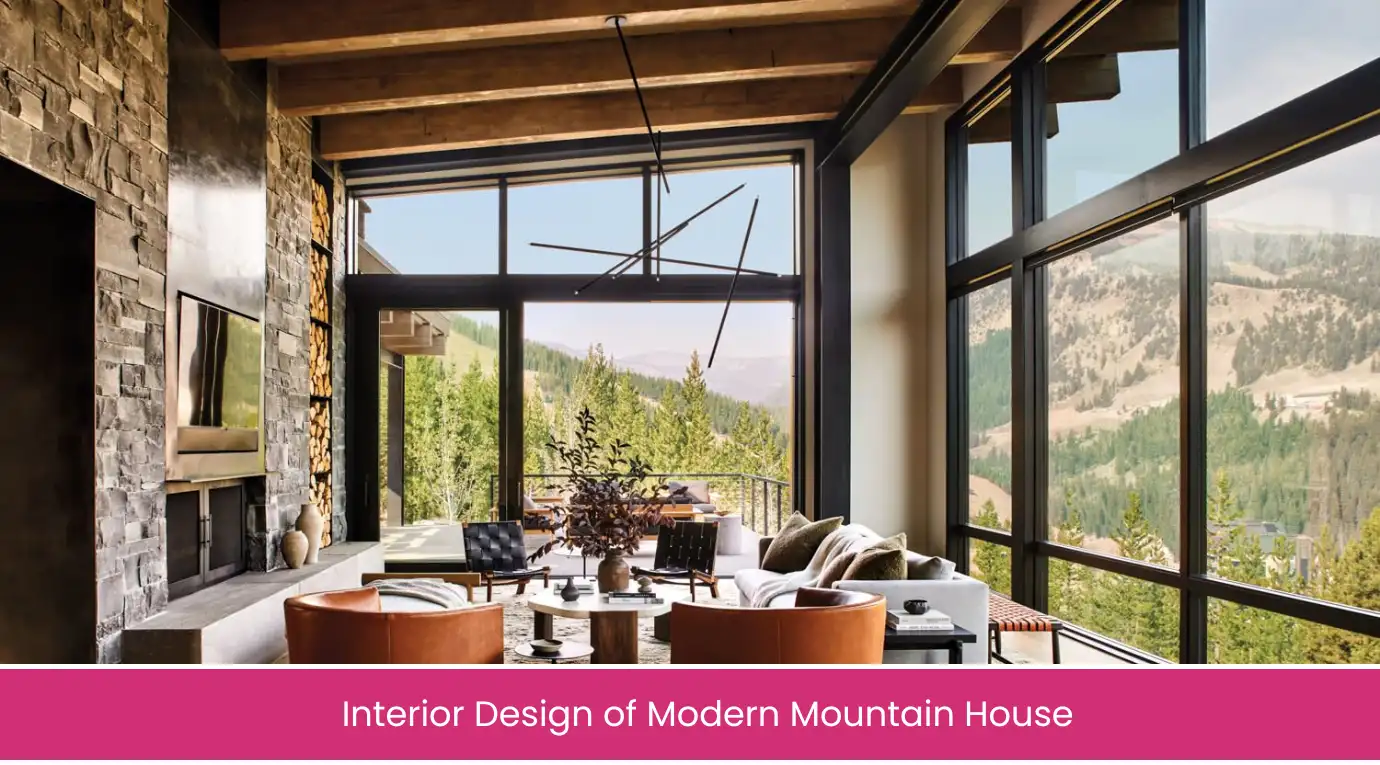
Inside, the goal is a space that feels warm, comfortable and simple, connected to the landscape but clean and modern.
The living room is usually the heart of the home, often centred on a large stone fireplace, with wooden ceiling beams, comfortable sofas and floor-to-ceiling windows. The kitchen is open and practical, connected to the living and dining areas, with wood or stone countertops and minimal cabinetry. Bedrooms are calm and restful, using soft lighting, wooden textures and large windows. Bathrooms pair stone tiles and wooden vanities with glass showers and modern fixtures. The palette stays natural, drawing on white, beige, grey, brown and earth tones, with materials like wood, stone, leather, wool and metal.
Sustainability and Energy Efficiency
Modern mountain houses are increasingly designed to save energy and tread lightly on the environment. Common features include solar panels, strong insulation in roofs and walls, energy-efficient windows that reduce heat loss, natural ventilation for better airflow, and eco-friendly materials.
Together these choices keep indoor temperatures stable through cold winters, lower running costs, and reduce the home’s environmental impact. In remote mountain settings, where connecting to services can be harder and costlier, efficiency and self-sufficiency are especially valuable, making sustainable design a practical priority as well as an ethical one.
Top Destinations and Challenges
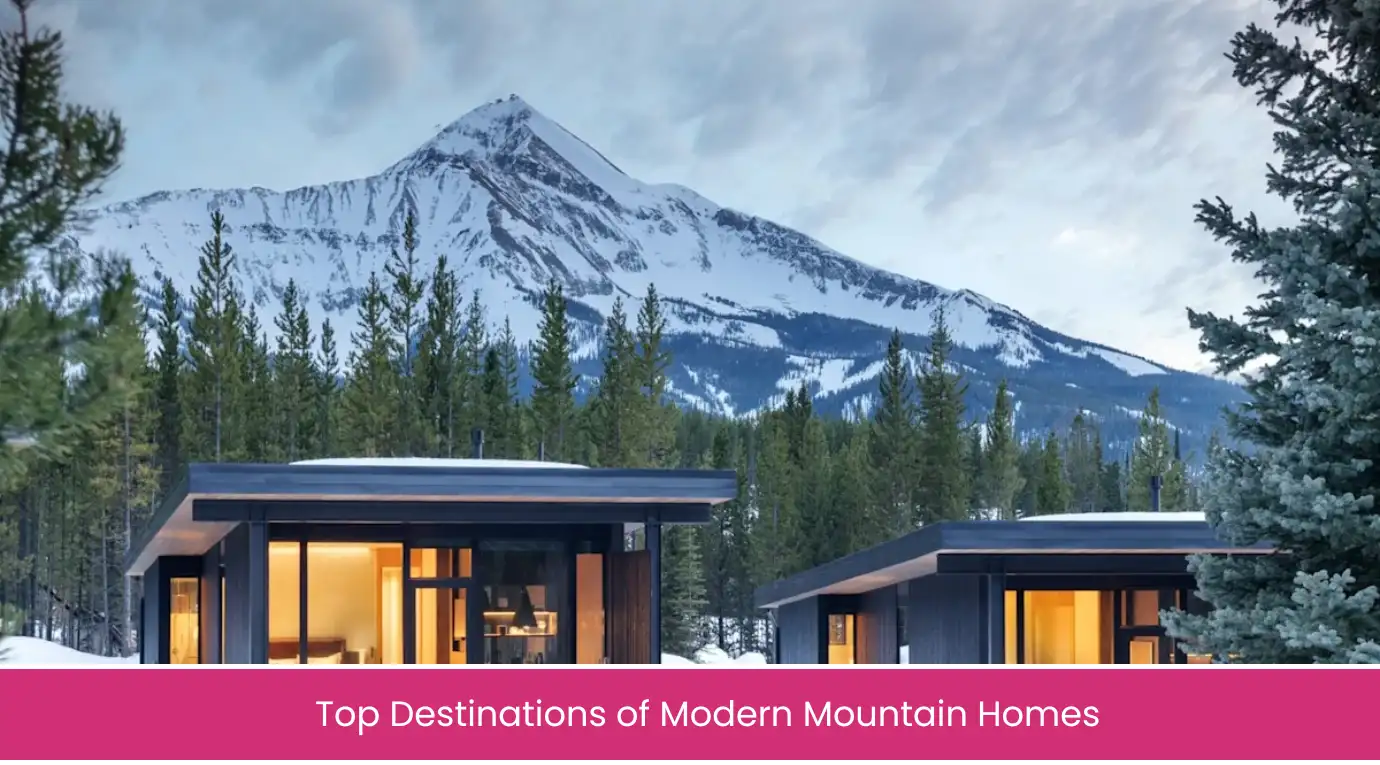
Modern mountain homes appear wherever dramatic terrain meets demand for luxury living: the Rocky Mountains in the United States, the Alps across Switzerland, France, Italy and Austria, the Canadian Rockies, the Himalayas, the Andes, New Zealand’s Southern Alps and Scandinavia’s mountain regions. Each location shapes the design through its climate and building culture.
Building in these settings is not without challenges. High construction costs, difficult building on steep slopes, harsh weather like heavy snow and wind, ongoing maintenance of natural materials, and the logistics of remote locations all add complexity. A rural retreat with land is a related dream for many, as the Carrie Underwood house guide shows.
Frequently Asked Questions
What is a modern mountain house?
It is a home designed for mountain or natural settings that pairs natural materials like wood and stone with modern design features such as large windows, open spaces and clean lines, focusing on comfort, durability and a connection to nature.
Why do modern mountain houses use natural materials?
Materials like wood and stone are strong, durable and blend into the landscape, while also creating the warm, cosy interiors that matter most in cold mountain climates.
Are modern mountain houses energy efficient?
Most are. They typically use insulation, energy-efficient windows, solar panels and natural ventilation to cut energy use and keep indoor temperatures comfortable year-round.
Are they used as permanent homes or vacation homes?
Both. Many serve as vacation homes, but with modern technology and remote work, more people now live in them full-time.
Final Thoughts
A modern mountain house is more than a building; it is a lifestyle built around nature, comfort and clean design. By combining wood, stone, glass and steel, these homes feel strong, peaceful and striking all at once. As nature-based living, remote work and sustainable design continue to grow, the modern mountain house stands out as one of the world’s most appealing styles, balancing nature and technology, simplicity and luxury.
