
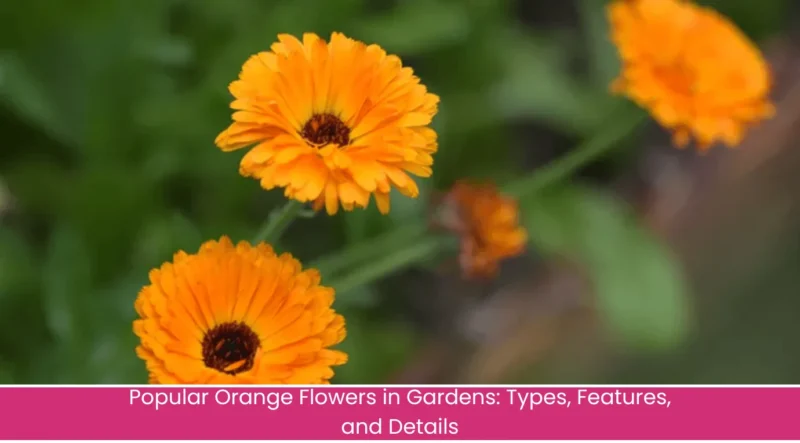
Popular Orange Flowers in Gardens: Types, Features, and Details
Orange flowers are one of the most noticeable and vibrant flowers in the world. They have a reputation of being bright and warm in color, somewhere between red and yellow on the color spectrum. This special status provides the orange flowers with a special meaning of the balance between passion and happiness. Orange flowers are utilized in gardens, decoration, ceremonies, perfumes, medicine, and cultural traditions across the world.
The word orange flowers may have two meanings:
- Flowers that are naturally orange in color
- The blossoms of the orange tree (citrus flowers)
Both senses are common in international botany and horticulture.
Botanical Overview of Orange Flowers
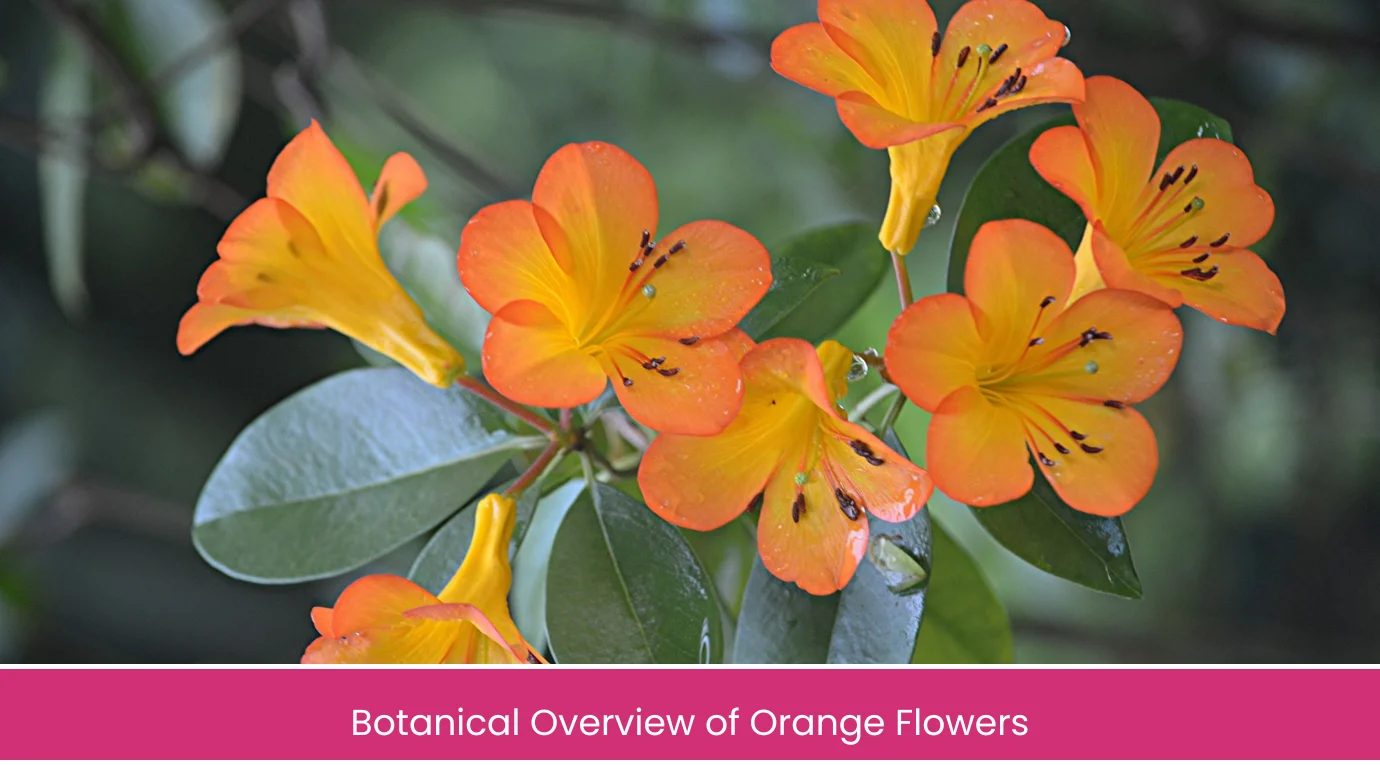
Numerous plant families have orange flowers. They are not species-specific. Rather, they are found in thousands of flowering plants worldwide.
A few of the more famous botanical facts are:
- Orange flowers are produced by angiosperms (flowering plants).
- Their color comes from pigments called carotenoids.
- These pigments are also responsible for the orange color in fruits like carrots and pumpkins.
- Most orange flowers grow in warm or temperate climates, but some adapt to cold regions.
Orange blossoms in citrus plants are produced by trees such as:
- Citrus sinensis (sweet orange).
- Bitter orange (Citrus aurantium).
These flowers are not orange, but white, and are known as orange flowers since they are produced by orange trees.
Most Popular Orange Flowers in the World
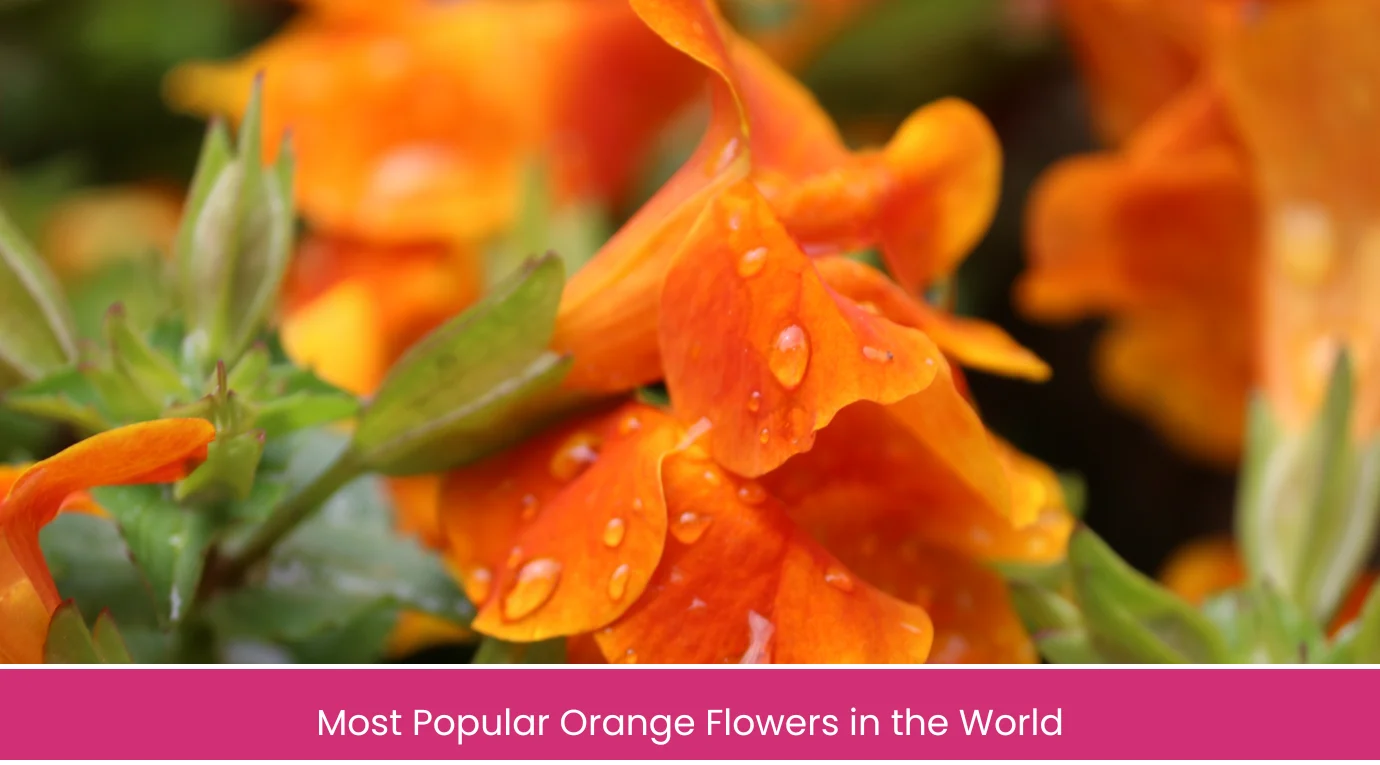
Orange flowers are found in many parts of the world and are loved for their bright, warm, and energetic appearance. They are widely grown in gardens, parks, farms, and wild landscapes. These flowers are not only beautiful but also important for pollinators like bees and butterflies.
Marigold
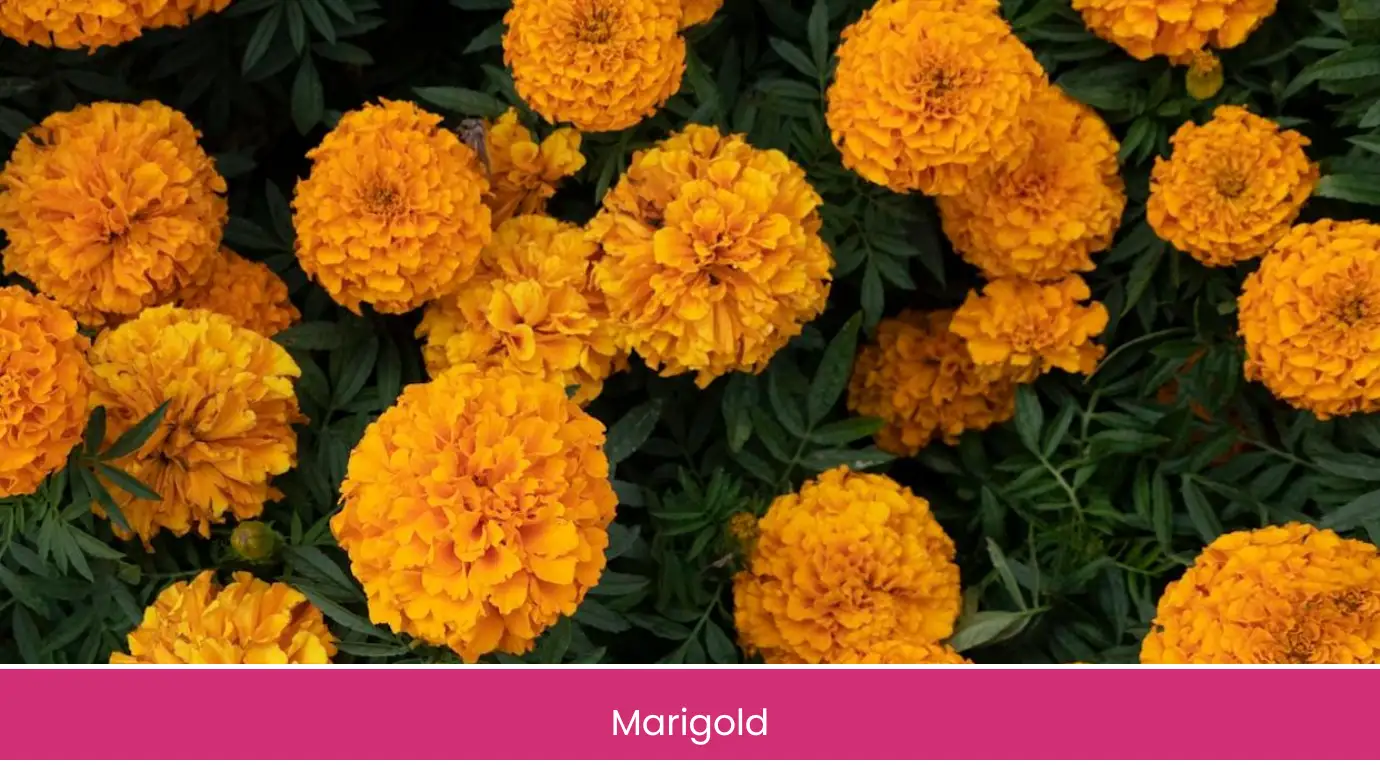
Marigolds are one of the most popular orange flowers in the world. It is grown in many countries because it is very easy to plant and does not need special care. It grows well in different types of soil and blooms for a long time, especially in warm seasons. Marigolds are widely used in festivals, religious ceremonies, weddings, and garden decoration. Their strong orange and yellow colors make them highly visible. They are also known to help keep insects away from vegetable gardens, which makes them useful for farming.
Orange Lily
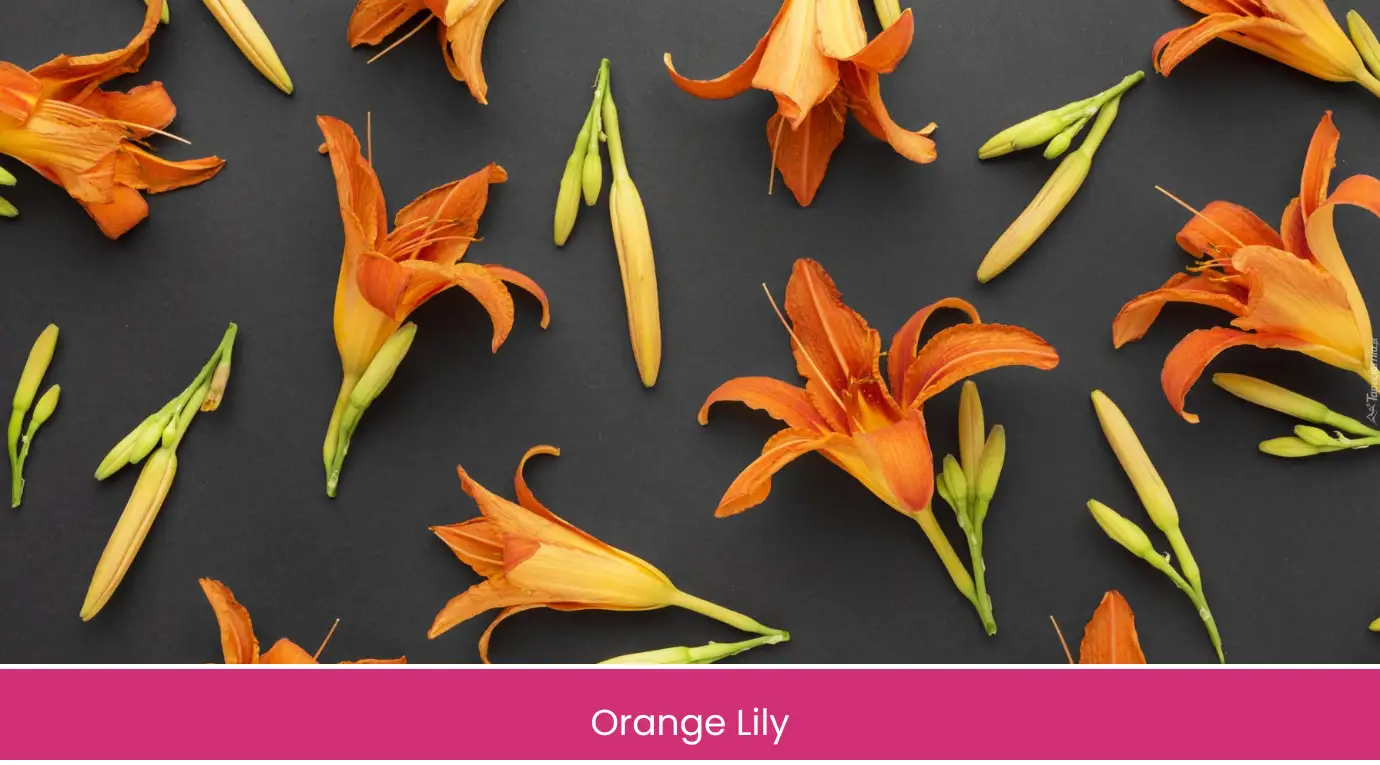
Orange lilies are tall and elegant flowers with a strong visual appearance. They grow mainly in temperate regions and are often used in bouquets and garden decoration. These flowers are valued for their bright orange color and trumpet-shaped blooms. They need well-drained soil and sunlight to grow properly. Orange lilies are commonly used to represent beauty, confidence, and admiration.
Tulip (Orange varieties)
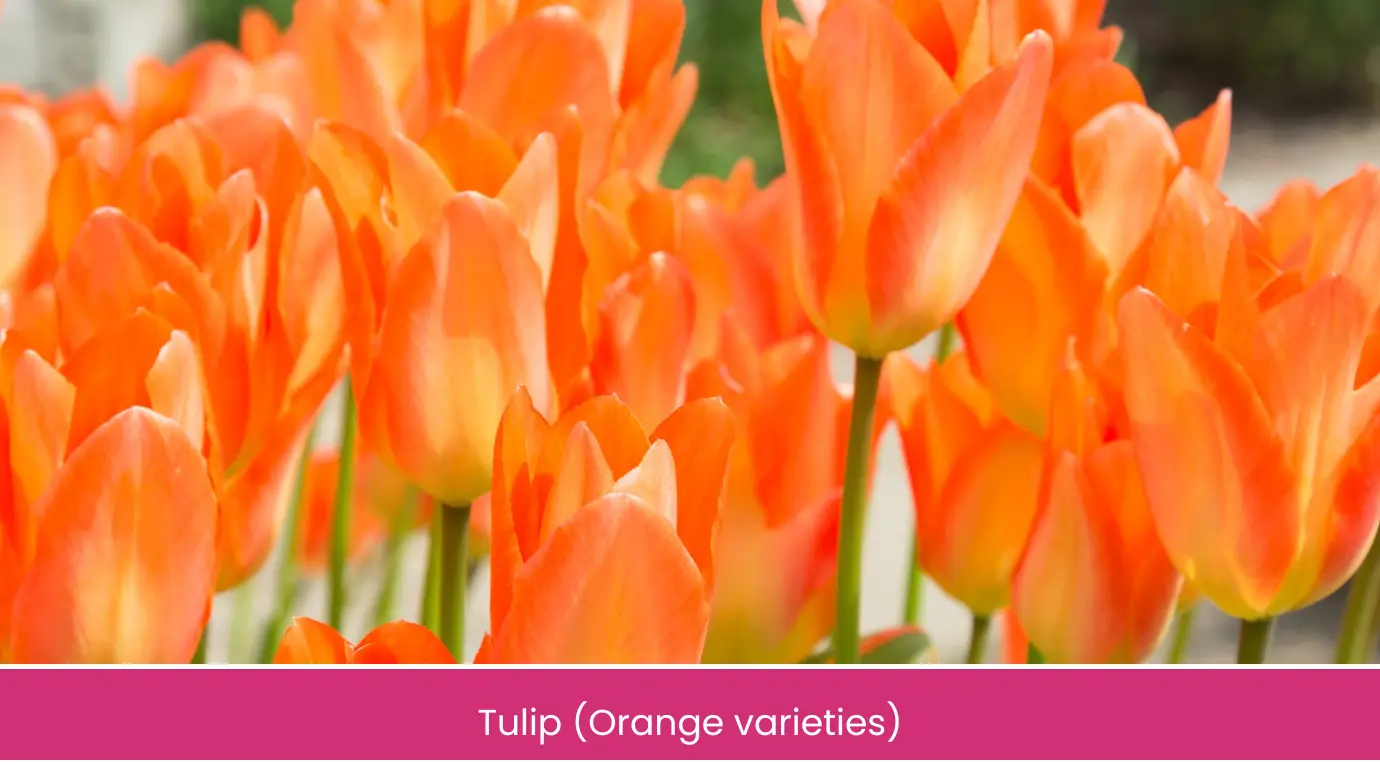
Orange tulips are seasonal flowers that grow from bulbs and bloom mainly in spring. They are very popular in Europe and North America. These flowers are known for their smooth petals and bright orange color. They are widely used in gardens, parks, and floral displays. Orange tulips are often associated with warmth and positive emotions.
Nasturtium
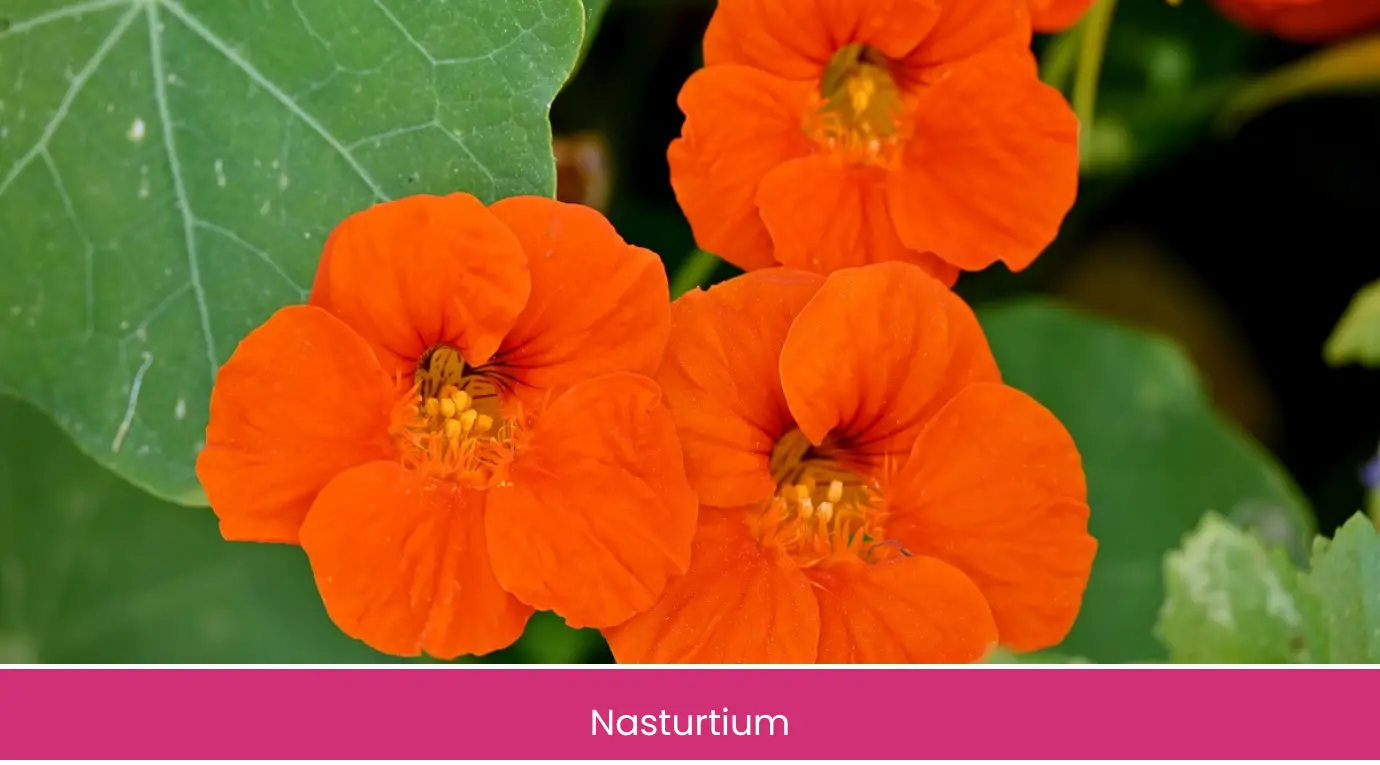
Nasturtium is a unique orange flower because it is edible. It has a slightly peppery taste and is often used in salads and food decoration. It is very easy to grow and can survive in poor soil conditions. Nasturtiums are also useful in attracting bees and supporting garden health.
Canna Lily
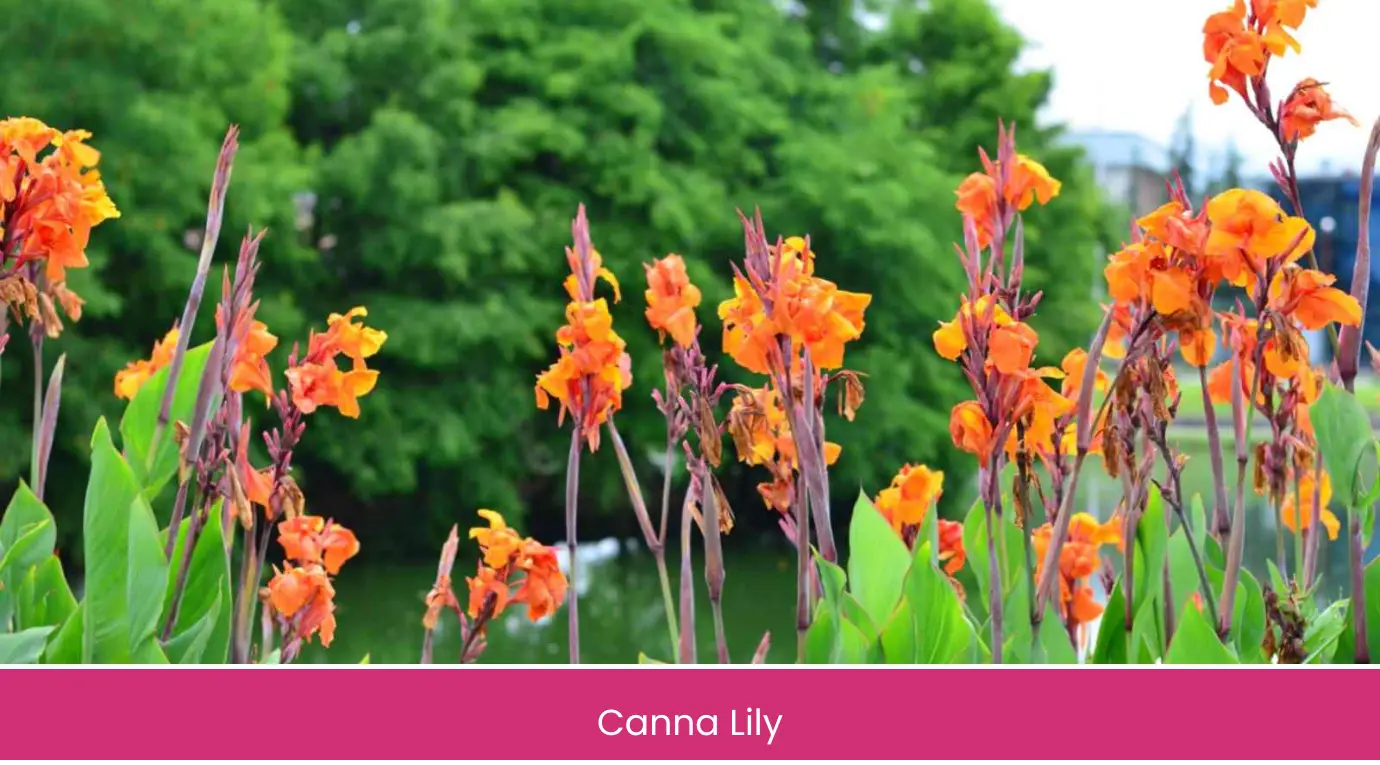
Canna lily is a tropical plant with large orange flowers and wide green leaves. It grows best in warm climates and is often used in landscaping. This flower is popular for decorative gardens because of its bold appearance. It needs sunlight and regular watering to grow properly.
Zinnia
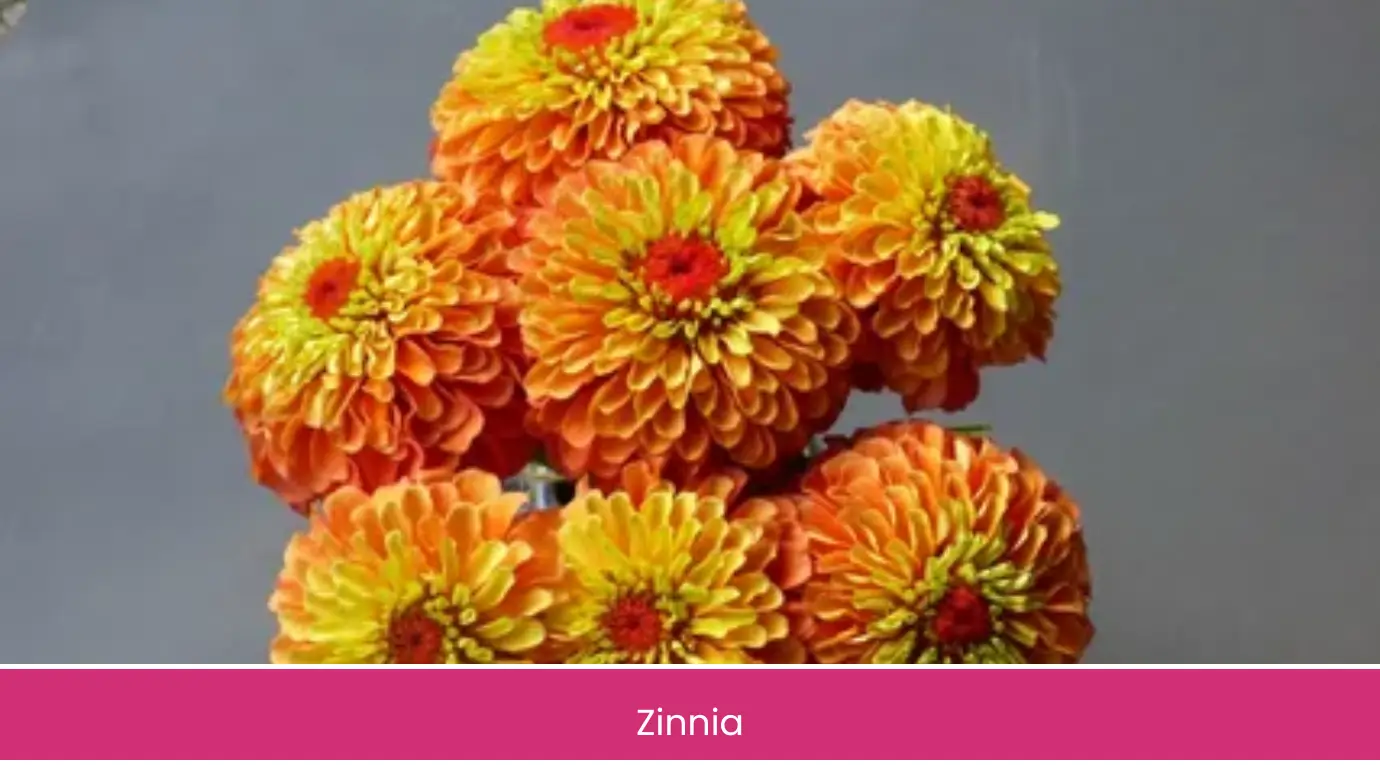
Zinnia is a colorful garden flower that includes orange varieties. It is known for long blooming periods and easy maintenance. Zinnias attract butterflies, which makes gardens more lively. They are commonly grown in home gardens and public parks because they are simple to care for.
Crocosmia
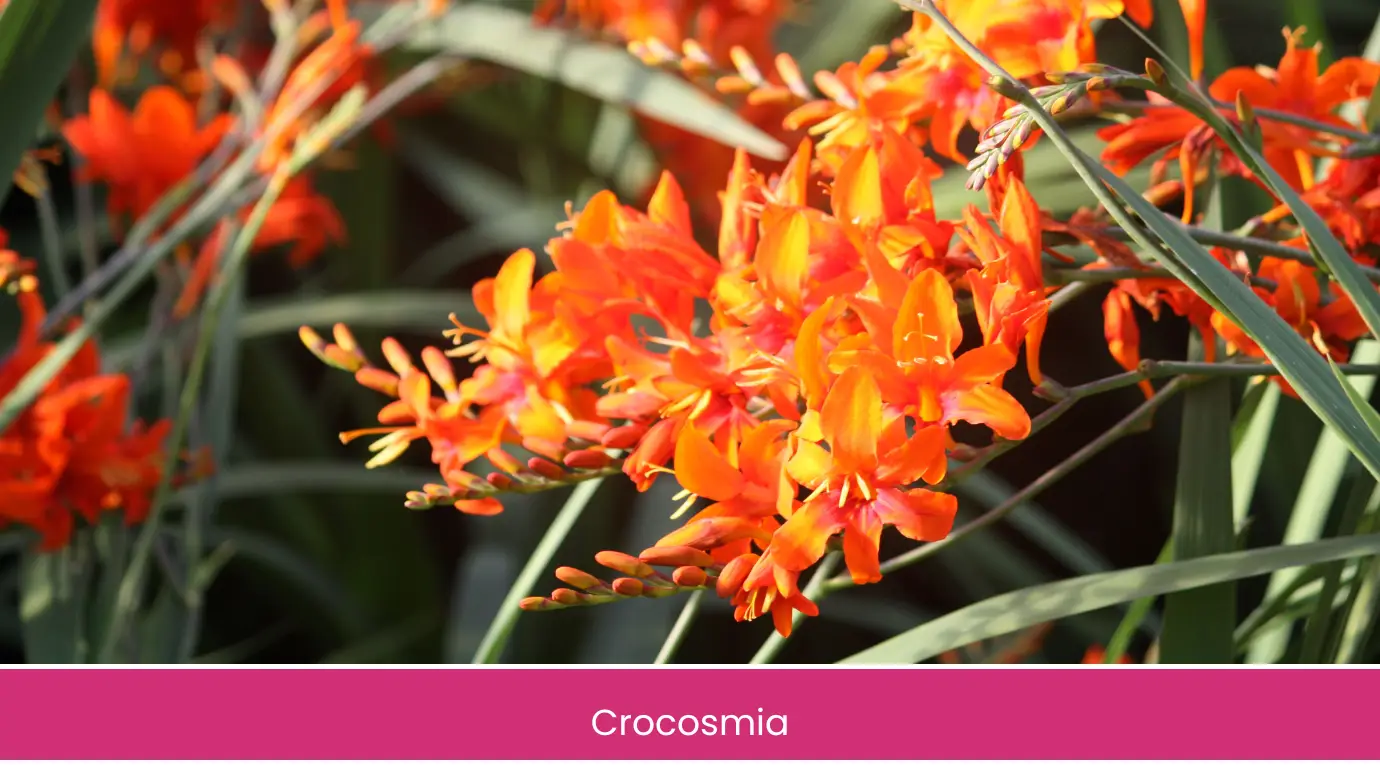
Crocosmia is an orange flower that grows on curved stems. It blooms in summer and is often used in garden borders. It attracts hummingbirds and bees, making it important for wildlife-friendly gardens. It grows well in sunny areas with well-drained soil.
Orange Poppy
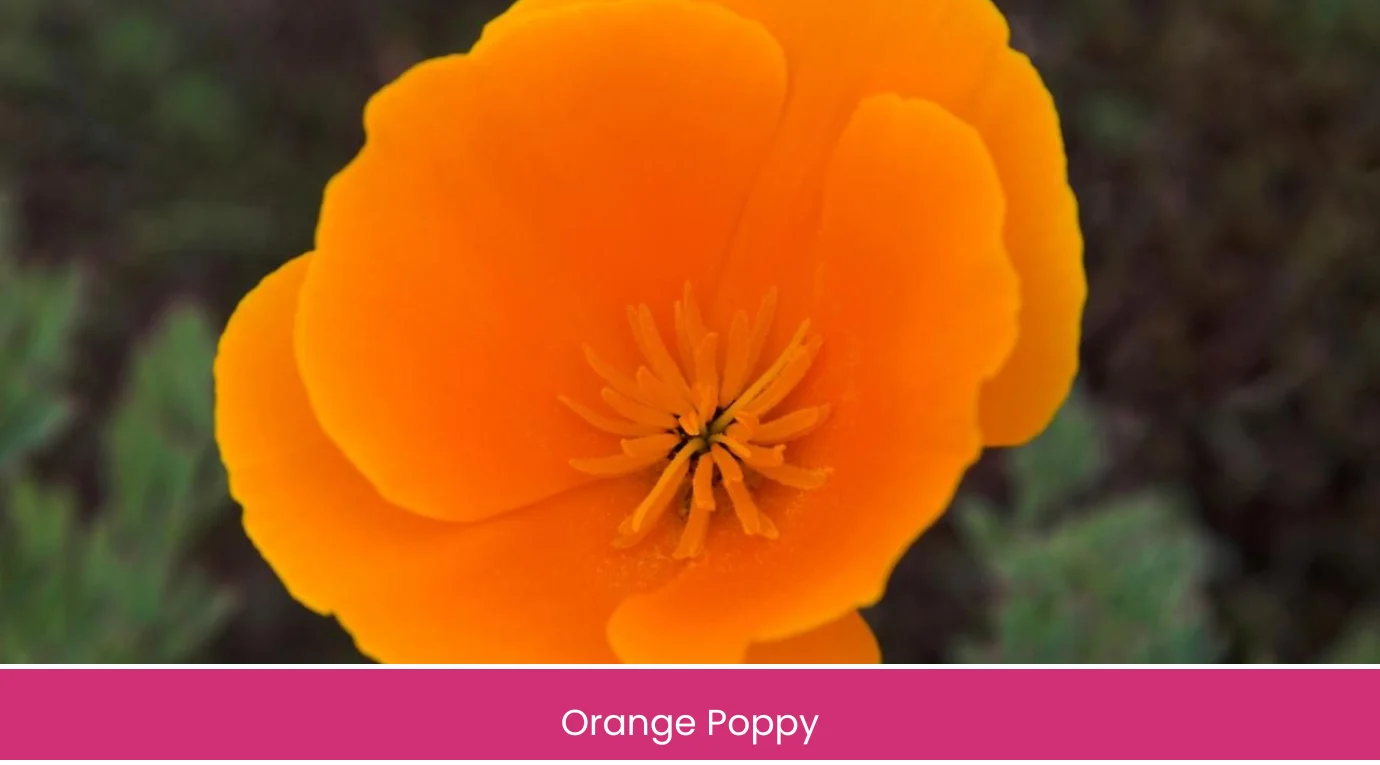
Orange poppies are delicate flowers with soft petals. They grow in wild fields and gardens but bloom for a short time. They are known for their natural beauty and are often found in wildflower landscapes. They require little care and grow in cool to moderate climates.
Importance of Orange Flowers in Modern Gardening
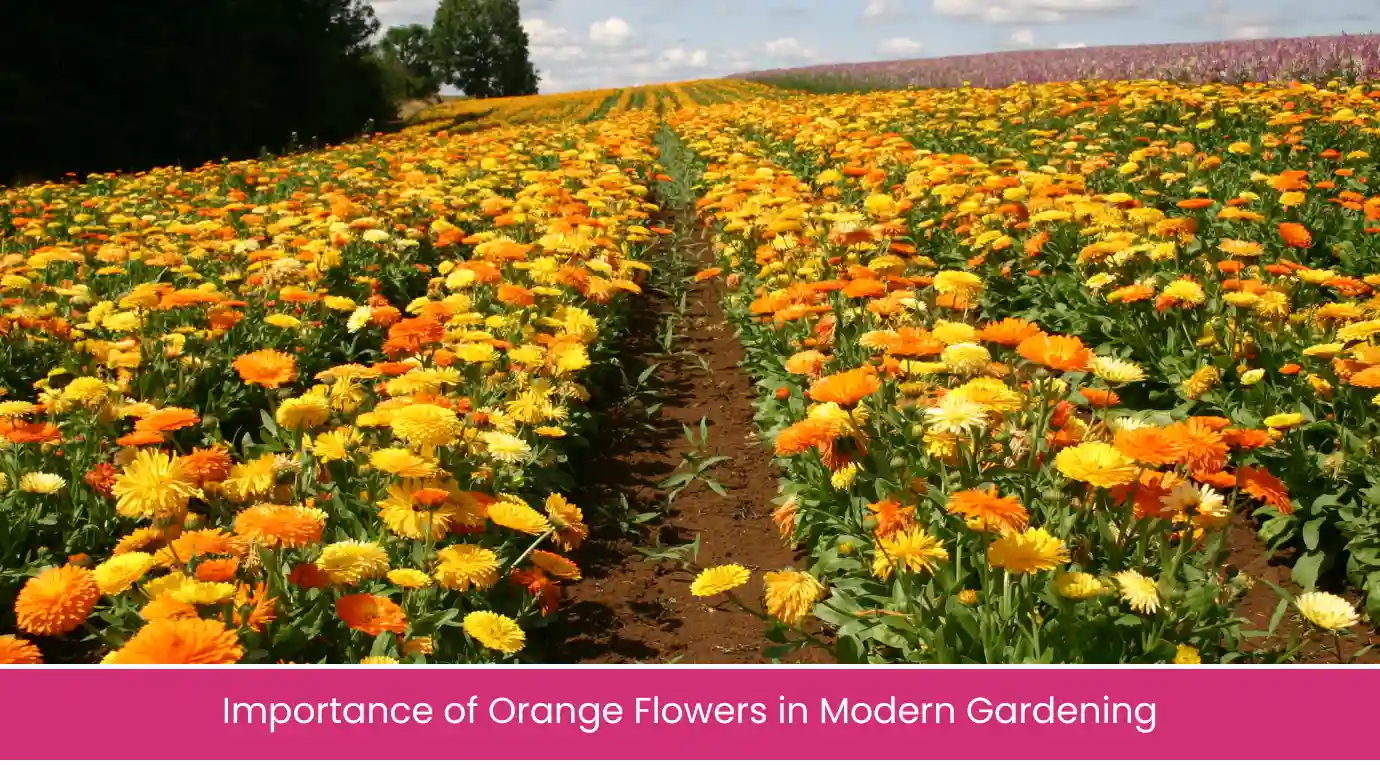
Today, orange flowers are widely used in modern landscape design because they:
- Add brightness to gardens
- Create strong visual contrast
- Mix well with purple, blue, and white flowers
- Improve aesthetic balance in flower beds
Outside designers tend to employ orange flowers to form warm color themes in the garden.
Physical Attributes of Orange Flowers
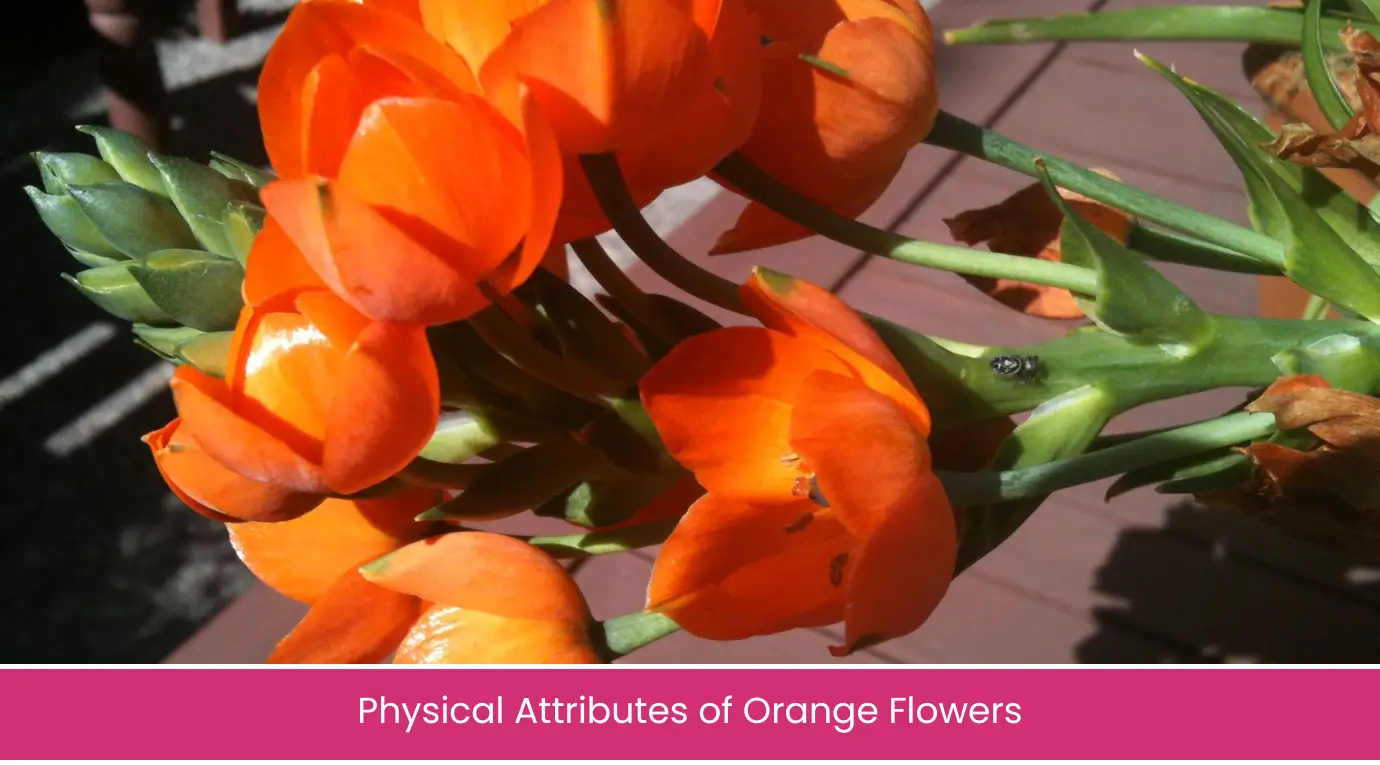
The physical features of orange flowers have some common features based on the species.
Common characteristics:
- Bright warm color (light orange to deep red-orange)
- Petals can be single, layered, or trumpet-shaped
- Strong attraction for insects like bees and butterflies
- Often grow in clusters or single blooms
- Many species bloom in summer and autumn
The natural pigments that make the orange color are carotenoids, which also safeguard the plant against sunlight damage.
Where Orange Flowers Grow in the World
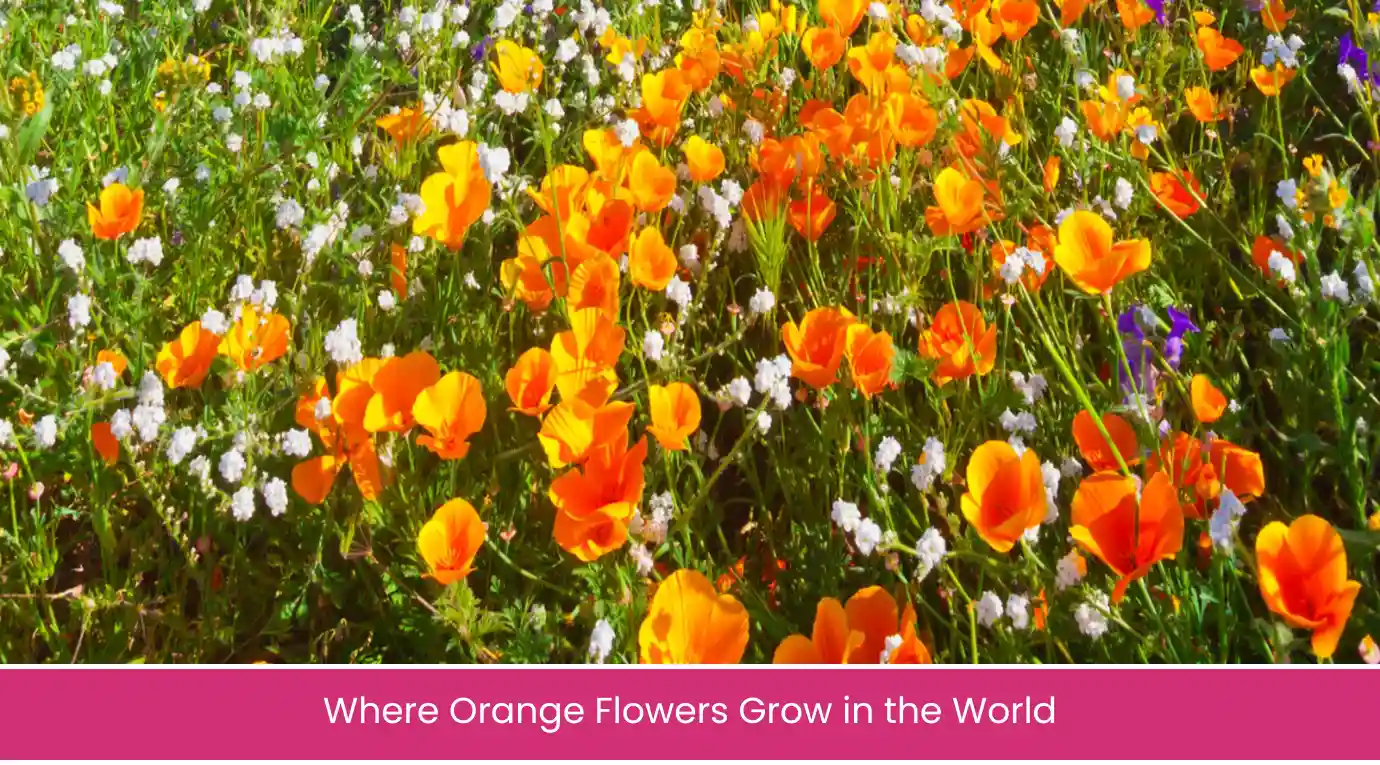
Orange flowers are found in many parts of the world and grow in a wide range of climates. They are present on almost every continent except Antarctica because Antarctica has extremely cold conditions that do not support flowering plants. The growth of orange flowers mainly depends on temperature, sunlight, soil type, and rainfall. Most orange flowers grow best in warm or moderate climates, but some species can also survive in cooler regions.
Asia (India, China, Southeast Asia)
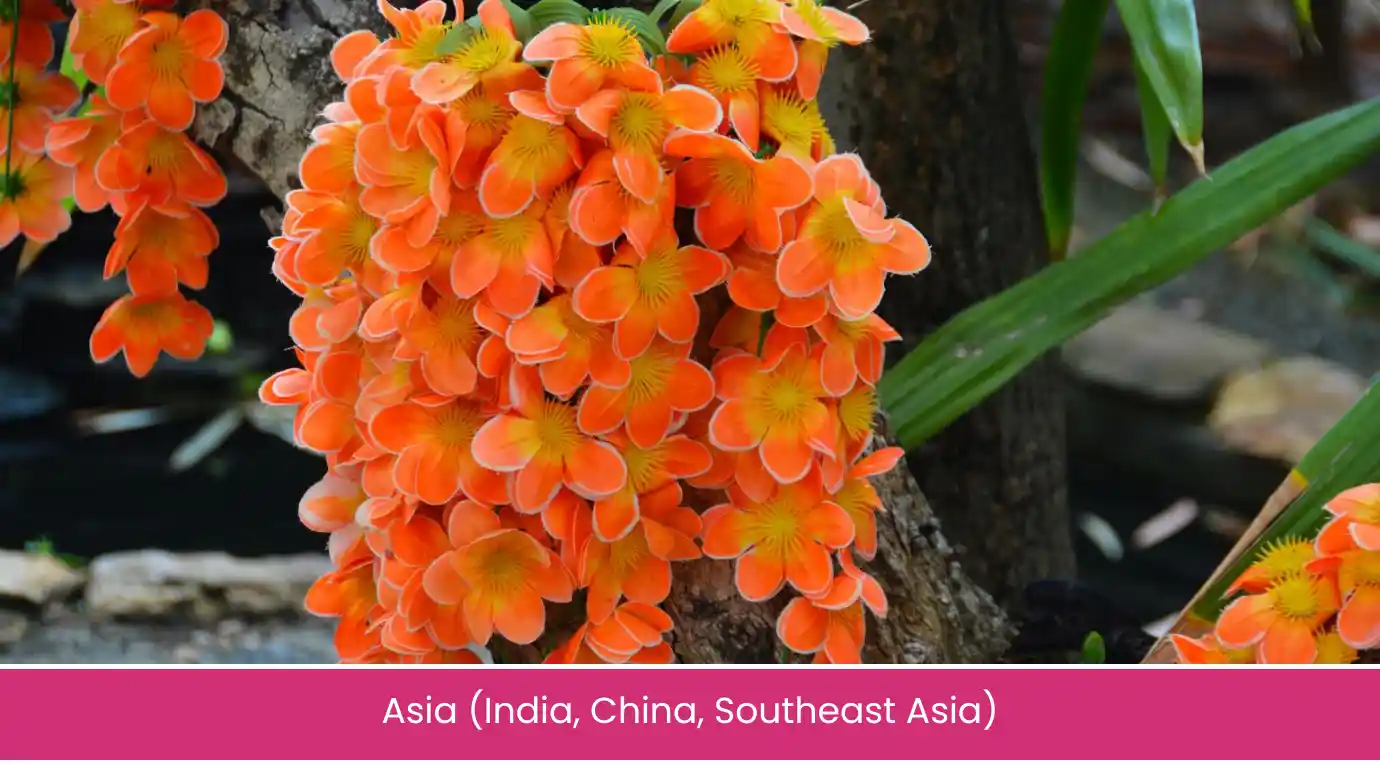
Asia is one of the richest regions for orange flowers in the world. Countries like India, China, Thailand, Indonesia, and other parts of Southeast Asia have ideal weather conditions for flowering plants. The warm climate, seasonal rainfall, and fertile soil help many types of orange flowers grow naturally and in gardens. In countries like India, orange flowers such as marigolds are widely grown for religious ceremonies, festivals, and decoration. In China and Southeast Asia, many ornamental orange flowers are found in parks, gardens, and natural landscapes. The long growing seasons in many Asian regions allow flowers to bloom for most of the year, especially in tropical areas.
Europe (Mediterranean regions)
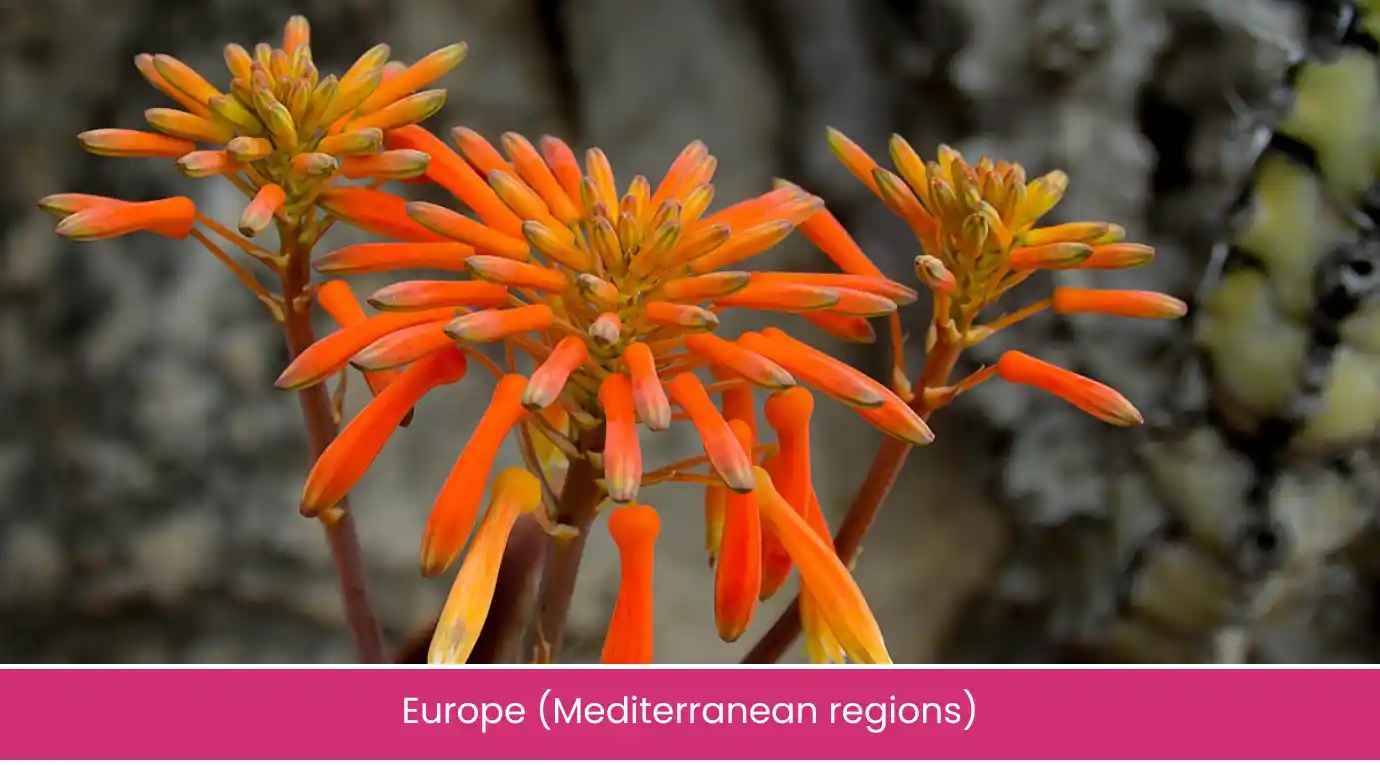
In Europe, orange flowers are mainly found in Mediterranean regions where the climate is mild and warm. Countries such as Spain, Italy, Greece, and southern France provide suitable conditions for seasonal flowering plants. Orange tulips, lilies, and other ornamental flowers are commonly grown in European gardens and parks. The Mediterranean climate has hot summers and mild winters, which support the growth of many decorative flowering plants. In colder parts of Europe, orange flowers are usually grown during the spring and summer seasons.
North America (USA, Mexico)
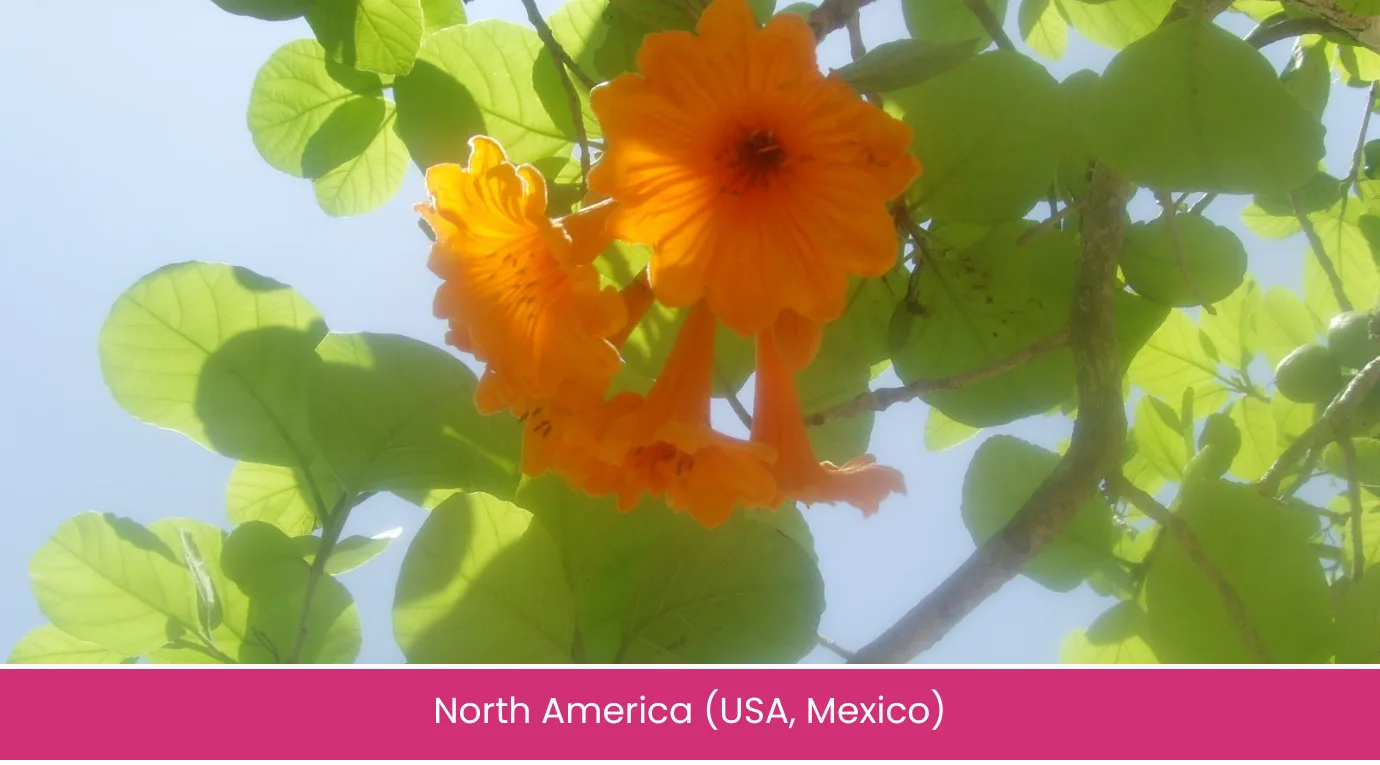
North America has a wide variety of orange flowers, especially in the United States and Mexico. The climate varies greatly across this continent, allowing different types of flowers to grow in different regions. In the southern United States and Mexico, warm and sunny conditions support tropical and seasonal orange flowers. Flowers like marigolds, zinnias, and poppies are commonly grown in gardens and landscapes. In cooler northern regions, orange flowers are mostly seen in spring and summer when temperatures are suitable for blooming.
Africa (tropical and subtropical areas)
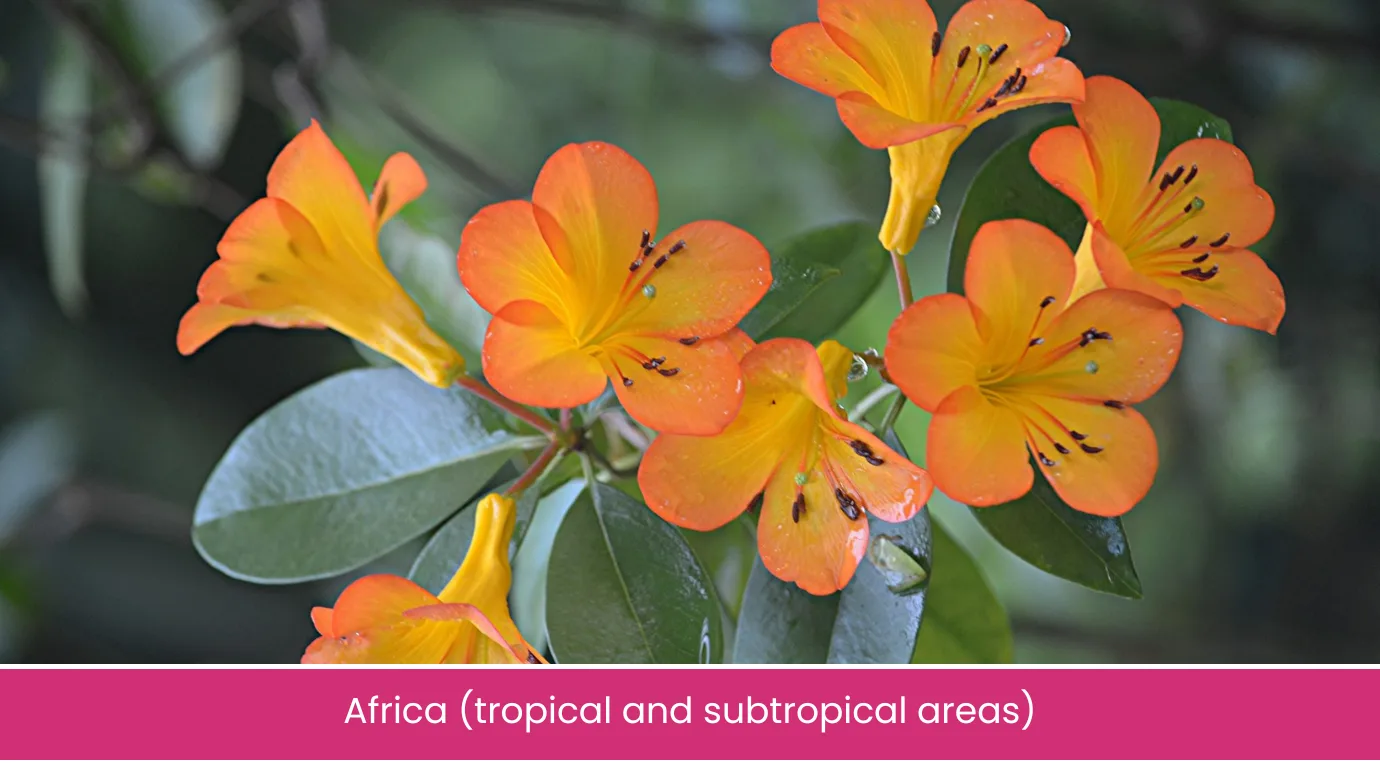
Africa has many regions with warm tropical and subtropical climates, making it a strong habitat for orange flowers. Countries in East Africa, West Africa, and parts of Southern Africa support natural flower growth due to high sunlight and warm temperatures throughout the year.
South America (Andes and tropical areas)
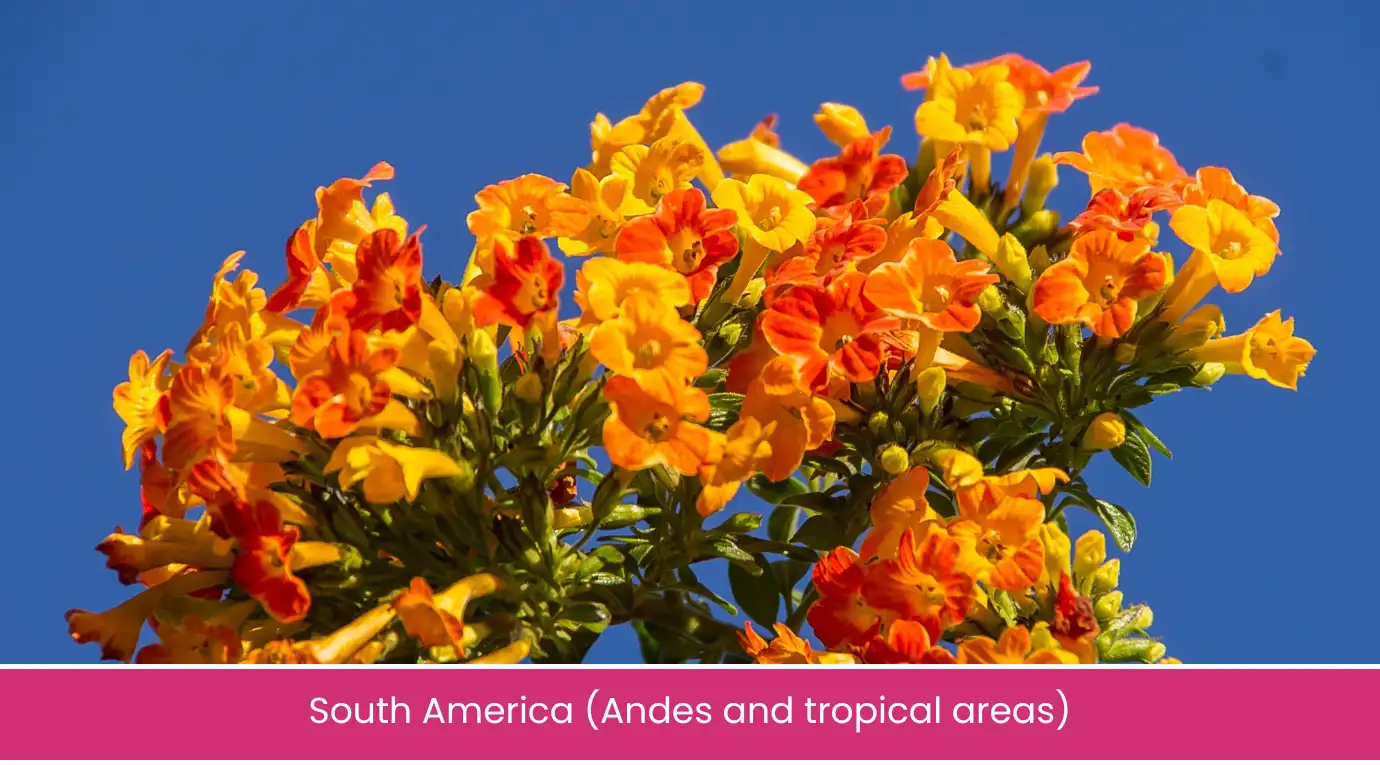
South America is another important region for orange flowers, especially in tropical and mountainous areas like the Andes. Countries such as Brazil, Colombia, Peru, and Ecuador have rich biodiversity and support many flowering plant species.
Growing Conditions for Orange Flower
Orange flowers have various requirements, depending on the type of flower, yet most have similar requirements to grow.
General requirements:
- Full sunlight (6–8 hours daily)
- Well-drained soil
- Moderate watering
- Warm to moderate temperature
Basic care tips:
- Remove dead flowers to encourage growth
- Avoid overwatering
- Use compost or organic fertilizer
- Protect from frost for tropical species
Seasonal Blooming of Orange Flowers
Various orange flowers have varied seasonal flowers.
Blooming seasons:
- Spring: Tulips, poppies
- Summer: Marigolds, lilies, zinnias
- Autumn: Crocosmia, blanket flowers
- Year-round (in warm climates): tropical species
Looking Ahead
Flowers that are the most vivid in nature and meaning are the orange ones. They symbolize warmth, happiness, and energy, as well as contribute significantly to ecosystems, culture, gardening, and such industries as perfume making. Orange blooms are seen throughout the world in marigolds and lilies, citrus blossoms and tropical flowers, and are enjoyed due to their beauty and symbolism. Their popularity in gardens, ceremonies, and flowering arrangements spreads everywhere, making orange flowers one of the most significant and popular flower groups in the world.
