

How to Invest in Property: A Complete Beginner’s Guide
One of the surest methods of accumulating long-term wealth is by investing in property. In contrast to other investments like stocks or bonds, property is an actual commodity that individuals can never do without. Whether it is a residential house or a business establishment, real estate provides various opportunities to earn a living or increase wealth in the long run. However, it takes proper planning, research, financial discipline, and an understanding of market trends to be a successful property investor. This guide illustrates the full process of property investing, beginning with the knowledge of the basics, down to the choice of location, the calculation of returns, and the management of properties in a simple and clear language.
Understanding Property Investment
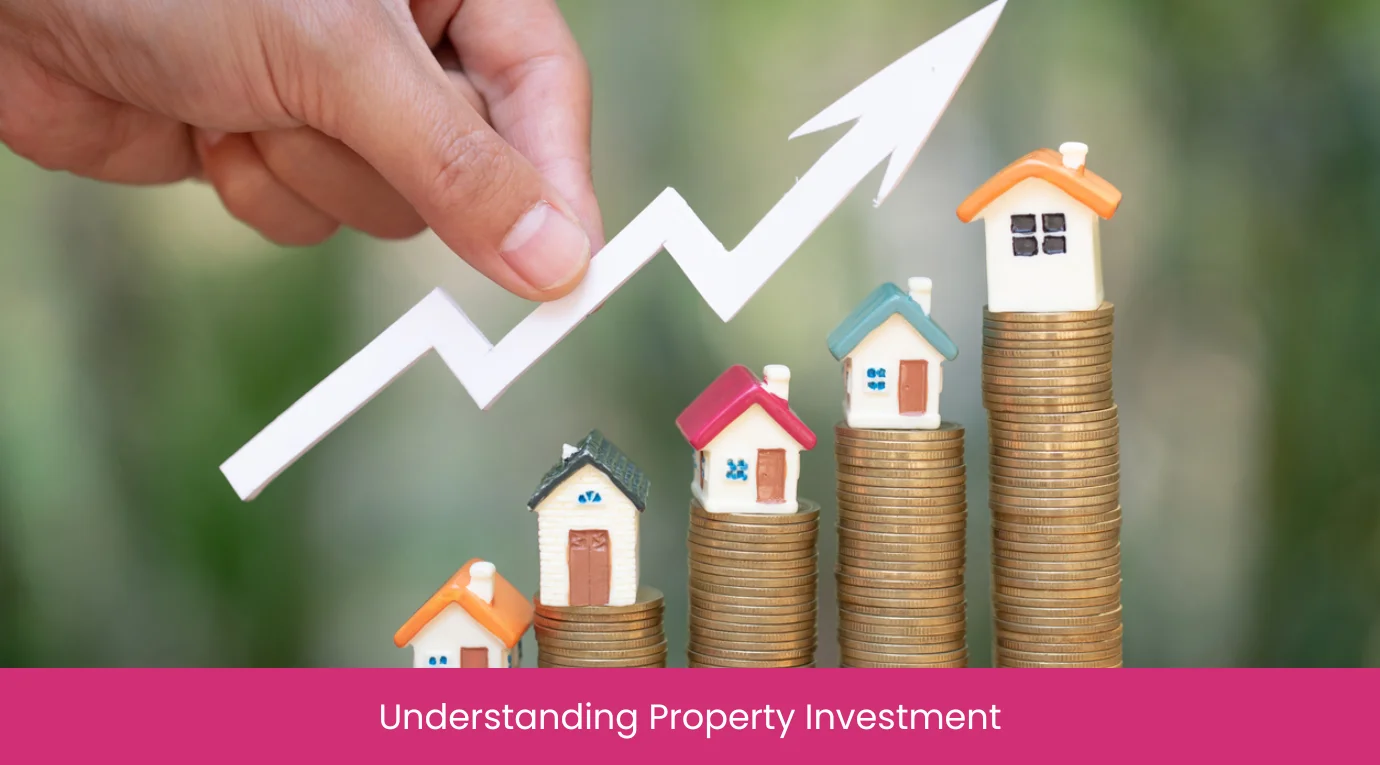
Real estate investment, or property investment, is the investment in land or buildings to generate income or capital gain. Investment properties are not meant to provide a place to live, unlike the purchase of a house. Rental income, capital growth, renovation and resale (flipping), and indirect investments with Real Estate Investment Trusts (REITs) are the most prevalent types of property investments.
The rental income is the income earned by leasing properties to tenants, and this gives a monthly cash flow. Capital growth here, the property value appreciates over a period of time, and you are able to make a profit by selling. Flipping is the process of acquiring a property at a reduced cost, renovating the property, and selling the property at a premium. REITs enable investors to participate in property markets without actually owning physical buildings, and they provide income-producing property dividends.
Why Invest in Property?
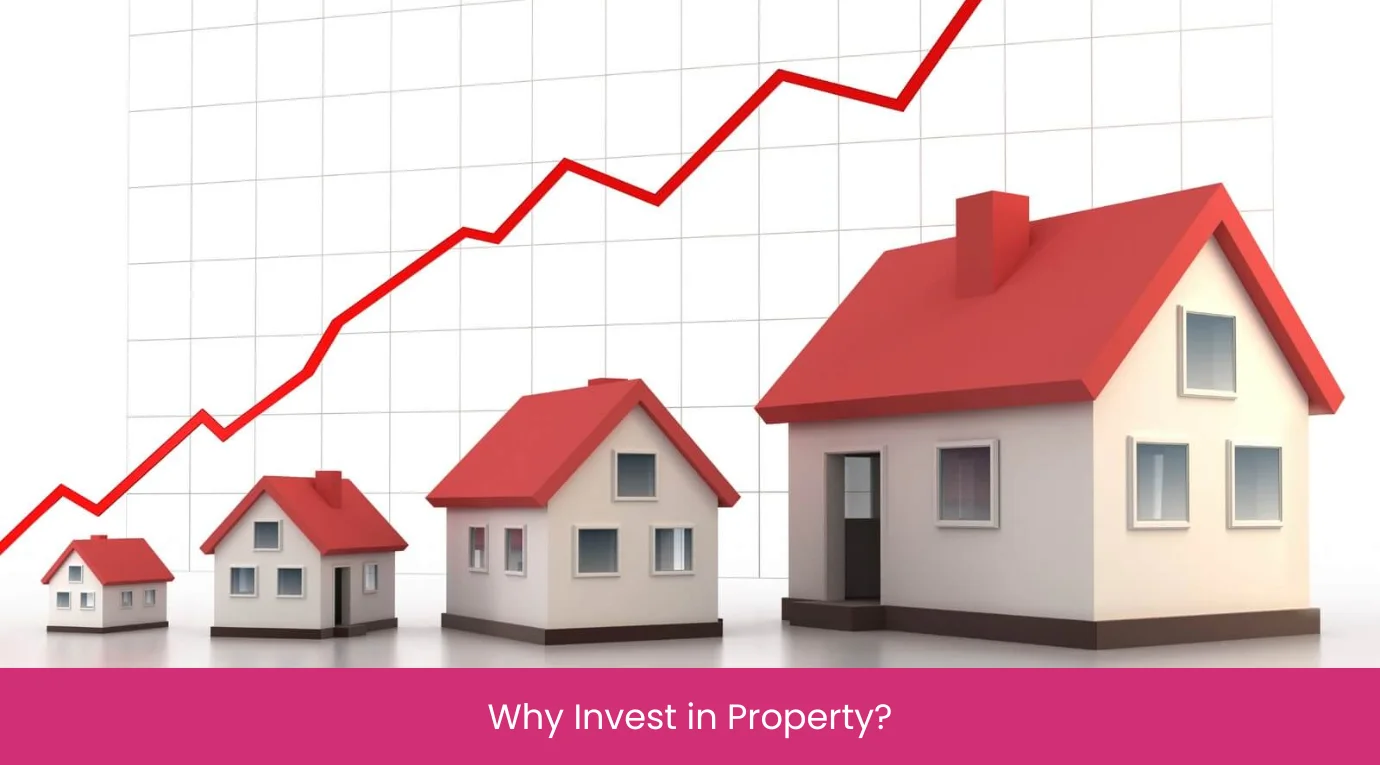
There are many advantages of investing in property. First, it is able to produce a continuous monthly revenue in the form of rent, which assists the investors in fulfilling their living costs or even saving for the future. Second, real estate tends to increase in value in the long run, which provides the potential for wealth building.
Third, property is an inflation hedge since the value of property and the rents have the inclination to improve whenever the prices go up in the economy. Another benefit of property is that it enables investors to leverage with mortgages, i.e., they can operate a higher-value property with a lower start-up capital. Lastly, property is a physical item, which is secure in contrast to more risky investments such as stocks.
Setting Goals for Property Investment

Setting clear goals is the initial process of investing. Questions to ask yourself are: why are you investing, monthly income, long-term wealth, or quick profit flipping? Goals define the kind of property, site, and investment plan. Determine the duration of the investment you will be engaged in, the amount of money you wish to make, and the risk that you are prepared to take. As an example, a person who wants to earn a stable monthly income will be interested in residential rentals in areas with high demand, whereas a person willing to gain capital will be interested in properties in rapidly developing cities. Clear goals act as a guide and help in maintaining the concentration of investors throughout the decision-making process.
Types of Property Investment

There are a variety of types of property that investors can select:
- Residential Property: This covers houses, apartments, and condos. Better for people who are new to investing, most of the time has a constant demand, and it is good to rent.
- Commercial Property: Warehouses, retail shops, and office buildings. Has more capital requirements and offers higher rental income and long-term leases.
- Industrial Property: Factories, logistics centers, warehouses. Increasing demand and e-commerce, long leases, and consistent tenants.
- Vacation Rentals: Short-term rental homes on websites such as Airbnb. Very high potential revenue, seasonal demand, and management-intensive.
- Land: Unbuilt land to be used in the future. No direct revenue, but the possibility of appreciation as the development goes on.
Evaluating a Property
In property analysis, look beyond the superficial appearances. The major indicators are rental yield, cash flow, and projected return on investment. Rental yield is computed as the annual rent divided by the property price, which shows the possible income with respect to investment. Net yield takes into consideration all the costs: maintenance, taxes, and insurance, which gives a more realistic picture. The difference between the rent and the expenses is known as the cash flow; positive cash flow guarantees continued income. Moreover, estimate repair possibilities, property, and local demand. Thoughtful analysis helps avoid unforeseen expenses and makes the investment profitable.
Financing Property Investments
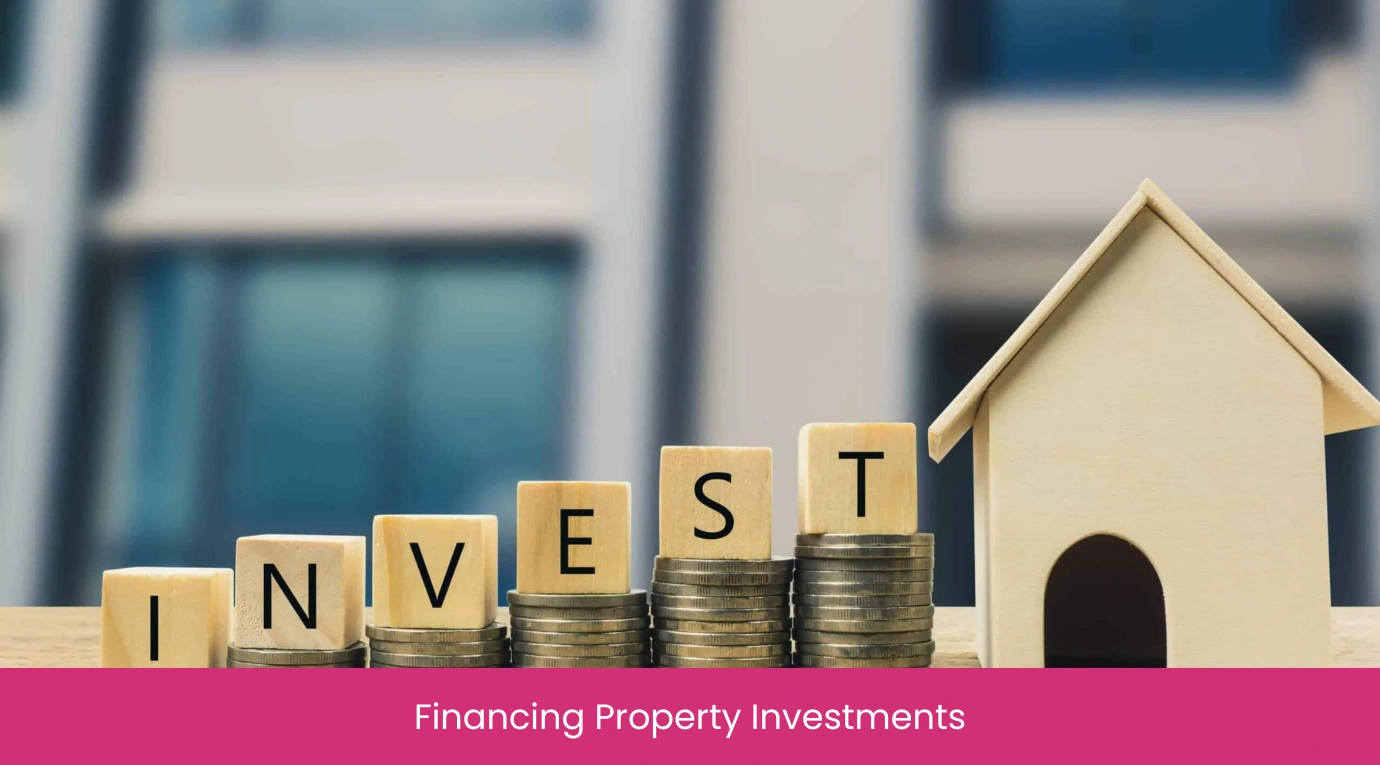
The majority of investors buy property using loans. Options include:
- Fixed-Rate Mortgages: Both are consistent at the same rate with predictable monthly payments.
- Variable-Rate Mortgages: The interest rate is variable and depends on market rates, which may save money when rates are falling and risk when rates are increasing.
- Interest-Only Loans: These are loans where the borrowers are required to make only interest payments at the beginning of the loan, lessening upfront repayment, but the principal is required to be paid back later, which puts them at risk should the value of the property decline.
The choice of financing mode should be based on your budget, risk profile, and, market conditions. Knowing interest rates, conditions of loans, and how to repay them is required for long-term profitability.
Legal and Tax Considerations
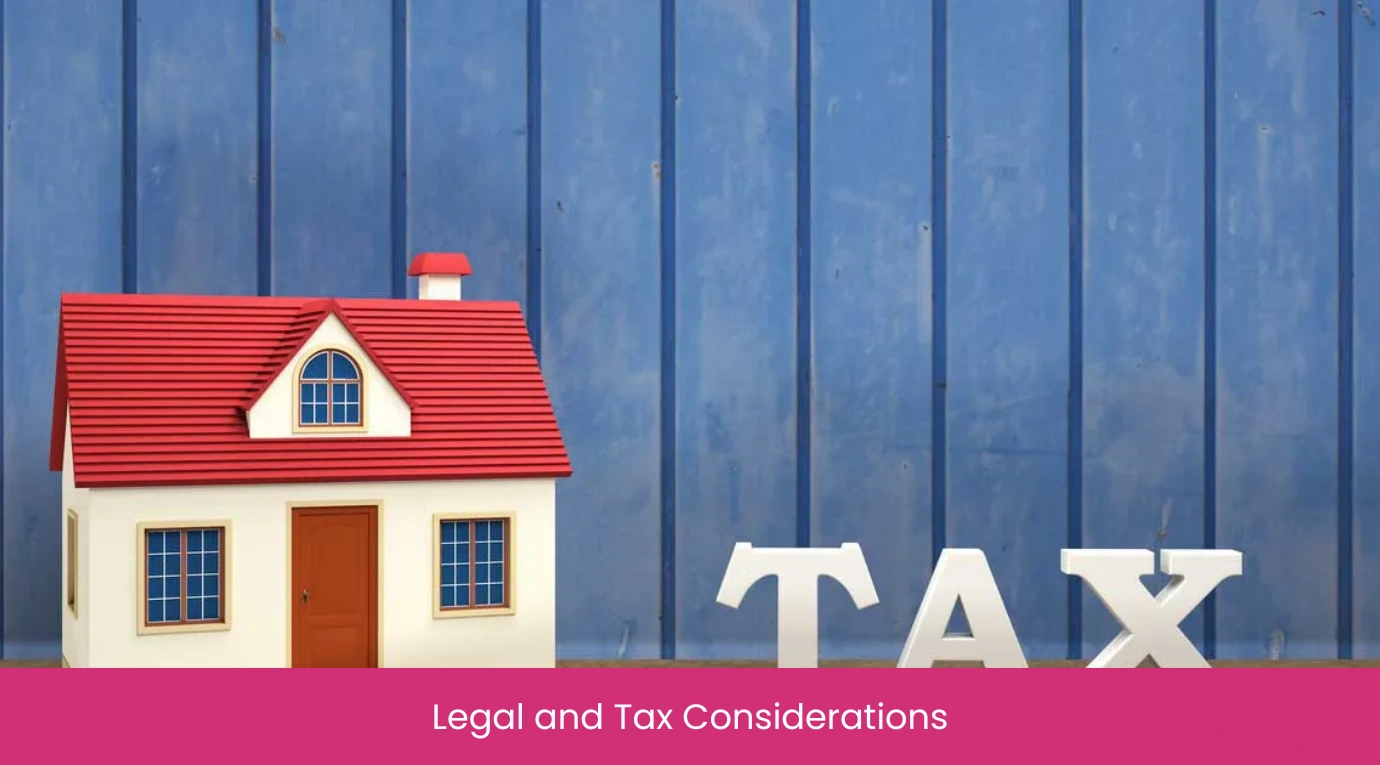
There are some legal and tax requirements associated with property investment. These are property transfer taxes, rental income tax as income, and capital gains tax on sale. In different countries and regions, the laws of renting differ and regulate the rights of tenants, the agreement of leases, and the eviction process. To prevent legal complications, investors should conduct local research. The advice of tax experts or lawyers can help avoid mistakes, which can be expensive. When these obligations are known, the investors can plan their finances well and prevent unpleasant surprises.
Calculating Returns
They must be calculated correctly. Key metrics include:
- Gross Rent Yield: Rent per annum per price of property.
- Net Rent Yield: (Annual rent less expenses)/price of property.
- Cash Flow: income from rent less expenses.
- Return on Investment (ROI): This is the total profit/total cost.
Through such calculations, the property will yield a sufficient income and achieve your investment objectives. An investment that has a high rental yield and good cash flow is usually a good investment.
Preparing Your Finances
Evaluate your financial situation before you start searching for properties. This involves ensuring that you check your credit score, how much you can save to make a down payment, and how much you can borrow. The lenders will demand a down payment, which is usually 20 percent of the property price. For instance, if a property costs $200,000, a 20% down payment would be $40,000. The remainder is financed through a mortgage. Pre-approving yourself for a loan would help you get a clearer picture of your budget and give you an advantage during the offer process. Having a good financial base means that you can afford to pay mortgage, property taxes, insurance, and maintain without any stress.
Best Locations Globally
There are those cities that have a good property market because of population growth, economic growth, and infrastructure. Examples include:
- United States: Austin, Texas; Charlotte, North Carolina; Atlanta, Georgia; Phoenix, Arizona.
- Canada: Toronto and Vancouver.
- United Kingdom: Manchester and Birmingham.
- Australia: Sydney and Melbourne.
- Germany: Frankfurt and Berlin.
- UAE: Dubai.
- Asia: Bangkok, Thailand; Ho Chi Minh City, Vietnam.
The rental demand, appreciation potential, and comparatively stable markets are high at these locations. Investors are supposed to select areas that fit their investment strategy, goals, and budget.
Increasing Property Value
An increase in property value will increase income and resale value. Kitchen and bathroom renovation, interior upgrades, better landscaping, contributing energy-saving elements, and transforming unutilized areas into rentable units are typical measures. Properly maintained and updated properties are more appealing to high-paying tenants, and they sell quickly. Long-term property appreciation is also improved with an investment in improvements.
International Property Investment
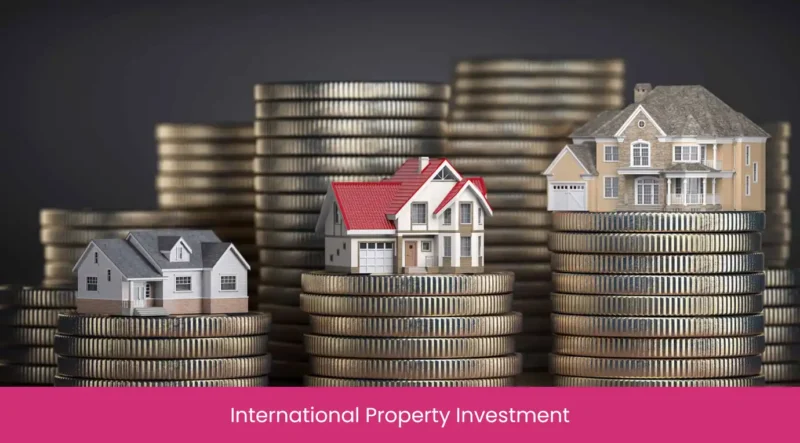
Foreign investment is a way of diversifying a portfolio and accessing markets that have higher growth rates. The advantages are tax benefits and higher returns. The obstacles are language barriers, unfamiliar laws, and distance management. It is worthwhile to hire local professionals to work through regulations and the market environment.
Property Investment Strategies
The investment plan must conform to the objectives:
- Income-Based: Invest in highly in-demand rental properties with high yields.
- Wealth-Building: Specialize in the long-term growth, infrastructure, and economic growth areas.
- Quick Profit: Find undervalued or fixer-upper properties, take care to budget and manage renovations.
The selection of the appropriate strategy will make sure that investments are in line with individual financial goals.
Future Trends in Property Investment

There is still an evolution of property markets. The major trends include urbanization, remote work, short-term rental, management technology, and sustainable buildings. Investors who keep track of these trends and align their strategies are in a better position to achieve long-term success.
Pre-Purchase Checklist
Before purchasing a property, make sure:
- Clear financial goals.
- Realistic budget.
- Knowledge of financing options.
- Diligent location and market research.
- Proper calculations of returns.
- Professional property inspection.
- The consciousness of legal and tax requirements.
- Arrange property management.
A checklist helps to minimize errors and enhance decision-making.
Ending
Investment in real estate can earn rental income, capital growth, and even long-term financial security. Research, strategy, financial planning, and proper management are the keys to success. Investors can make property a sure way to wealth by formulating specific objectives, the right location, returns analysis, avoiding errors, and keeping abreast with market trends. Real estate is not a get-rich-quick business: it pays off in patience, knowledge, and good choices. Property investment is a long-term investment with sustainable returns.
FAQs
What does investing in property mean?
Answer
Investing in property is the act of buying property or real estate, which can be in the form of land, residential houses, apartments, or commercial buildings, with the aim of making financial profits. These returns are usually based on rental income, long-term price appreciation, or both.
The property investment is viewed as a tangible asset investment, i.e., the investor has a physical asset at his disposal which can be used to generate some utility (such as housing or business use) but which will, over time, increase in value. Real estate is not just an investment but a business and financial investment that necessitates both operational and legal upkeep and professional management, unlike stocks or bonds.
What are the main types of property investments?
Answer
Property investments typically can be categorized into a few types: residential (houses, apartments), commercial (offices, retail shops), industrial (warehouses, factories), and land (undeveloped plots). Beginners tend to select residential properties because of relatively low prices and less demanding rentals.
Commercial properties can yield higher rental incomes yet are likely to demand more capital and have a longer vacancy risk. Location development and infrastructure growth are critical to land investments. The types have varying risk-return profiles, and therefore, the decision lies with the financial capabilities and plan of the investor.
How much money do I need to start investing in property?
Answer
The amount of capital to be raised will depend on the location, type, and mode of financing of the property. In most instances, the investors are not required to pay the entire price at once; they use mortgage financing or installment. A down payment is generally between 10 and 30 percent of the property, and the remaining is funded by a bank or developer. Other expenses should also be factored in, such as taxes, lawyer fees, registration, maintenance, and possible renovation costs. Thus, the initial cost of investment is frequently bigger than the purchase price.
Is property investment better than other investments, like stocks?
Answer
Stock investment and property investment can be used for financial purposes, but with various advantages and risks. The stability of real estate is usually not as volatile as stocks and offers a consistent flow of income in the form of rent, which is desirable in the long-term. It is, however, less liquid, meaning that it will take a longer time to sell as compared to stocks. Stocks, in contrast, are more liquid and may be more lucrative in the short-term but are more volatile in the market. Its appropriateness is determined by his or her risk tolerance, time, and diversification.
What factors should I consider before buying property?
Answer
There are some key considerations in terms of the success of a property investment. The most crucial one is location, which defines the demand, rent income, and appreciation. Infrastructure development, access to schools, hospitals, and transport, and neighborhood safety should also be assessed by investors. To prevent conflicts, legal confirmation of ownership documents is necessary. Market trends, the condition of the property, and projected maintenance costs will also have to be studied. Informed decision-making involves financial analysis, as well as due diligence.
