
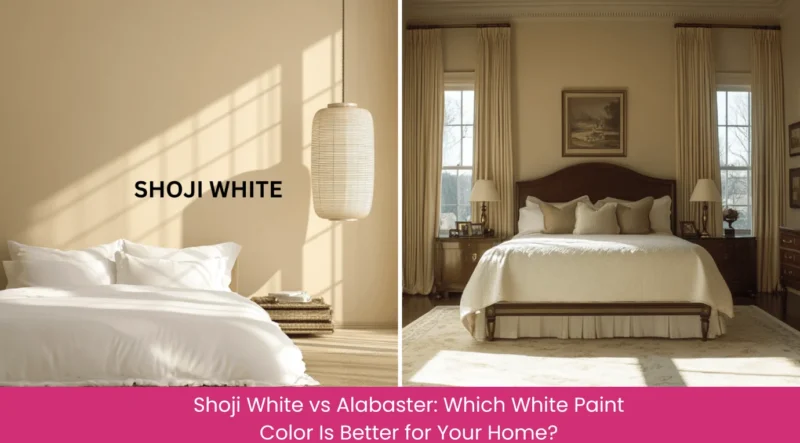
Shoji White vs Alabaster: Which White Paint Color Is Better for Your Home?
The selection of the appropriate white paint is one of the most crucial home design choices. Some individuals believe that white is white, yet the truth is that white paints contain concealed colors, various degrees of brightness, and extremely diverse impacts on a room. Shoji White and Alabaster are two of the most popular selections as of today.
Understanding White Paint (Before Comparing)
There is one thing to know before comparing Shoji White and Alabaster:
White paint is never truly pure white in most homes.
Practically all white paints contain:
- Warm colors (yellow, beige, red).
- Cool colors (blue, gray, green)
These undertones are known as undertones, and this is the principal reason why two white paints can appear totally different.
What is Shoji White?
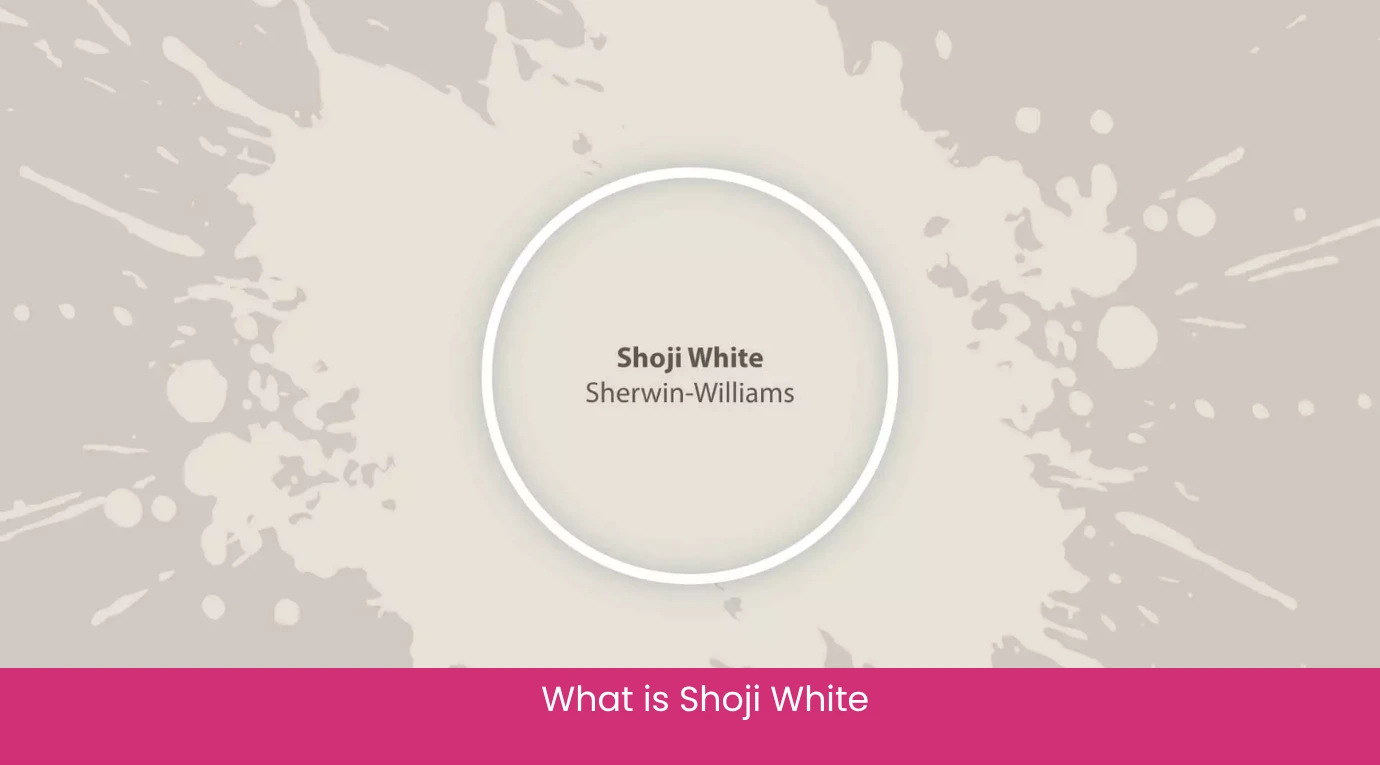
Shoji White is a warm off-white color. It is not white sunshine. On the contrary, it is subdued and gentle in look and in a natural state.
It falls into a range of so-called greige whites, i.e., it has a blend of:
- Gray (cool tone)
- Beige (warm tone)
Due to this combination, Shoji White is more complicated than typical white paints.
How Shoji White Appears in Real Life
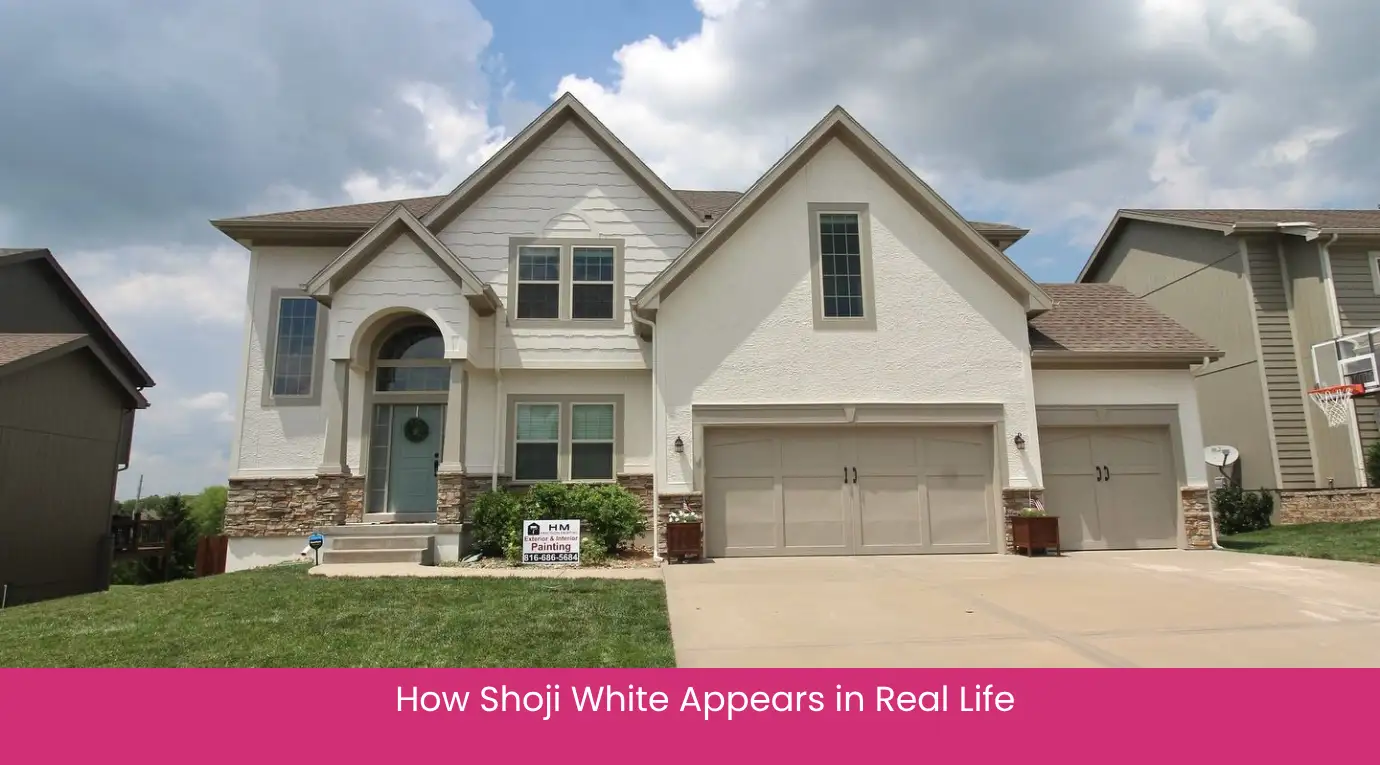
Shoji White is capable of modifying its look based on the lighting and environment:
- On sunny days → appears white and tender.
- In poor light → appears a bit gray or dull.
- Close with green elements → can display green undertones.
- Close to warm wood → appears more beige
It is this flexibility that designers prefer it to have- it fits in various spaces.
What is Alabaster?
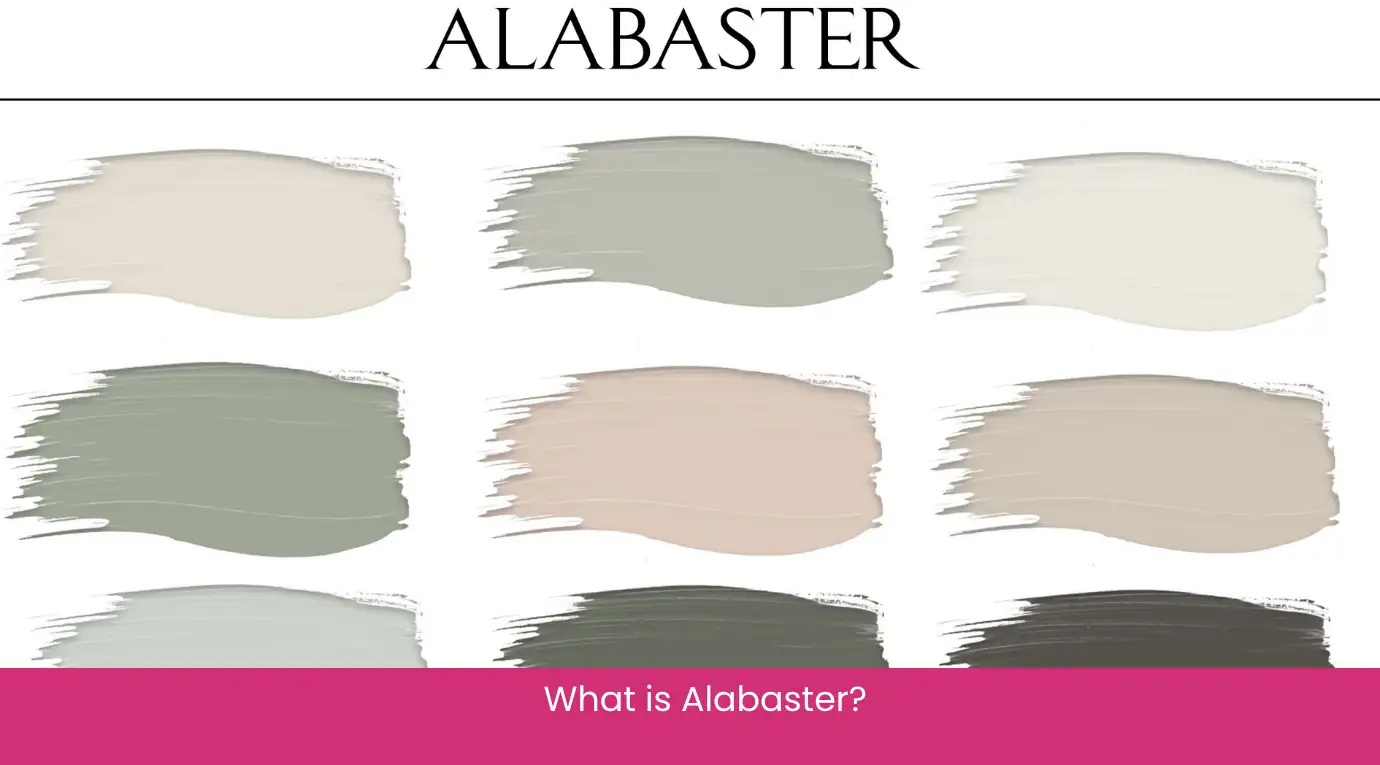
Alabaster is a warm white which is more of true white in comparison to Shoji White. It is cleaner, whiter, and more impartial.
It is in a group of so-called creamy whites and therefore has:
- Soft yellow undertones
- An even warm look.
Unlike Shoji White, Alabaster does not have strong gray tones.
How Alabaster Appears in Reality
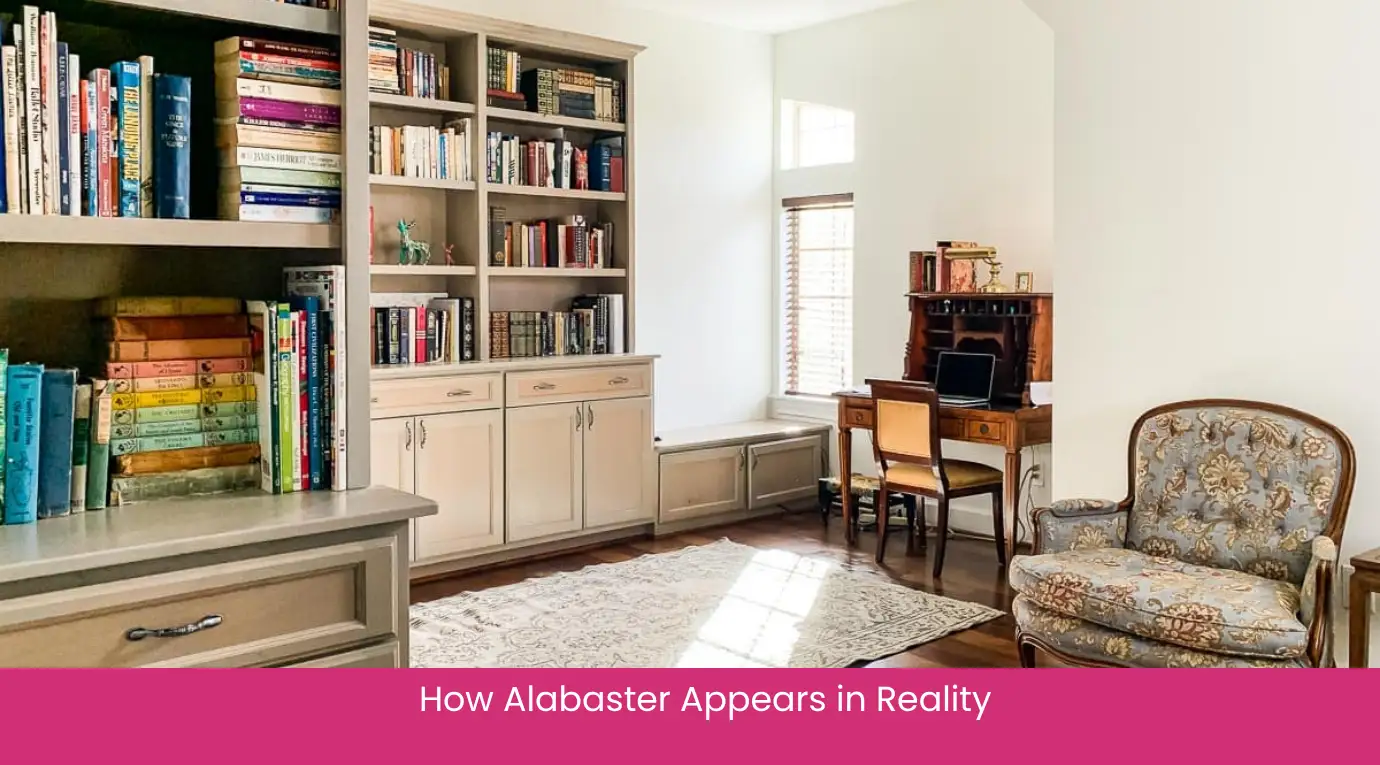
- In sunshine → appears clean and soft white.
- In dim light → still looks light and visible
- Close to warm light → slightly creamy.
- Close to cool lighting → can be more impartial.
It is much more predictable than Shoji White.
Important Technical Difference
Light Reflectance Value (LRV)
LRV informs us of the amount of light that a color reflects.
- Shoji White → LRV 74
- Alabaster → LRV 82
What This Means in Simple Words
Alabaster reflects more light → brighter room
Shoji White reflects less light → softer, deeper look
Real Impact
- Small rooms, Alabaster enlarges them.
- Big rooms → Shoji White to provide warmth and depth.
Undertones (Full Detailed Breakdown)
The most valuable difference between these two colors is their undertones.
Shoji White Undertones (Complex Behavior)
Shoji White has several undertones:
- Beige (main warmth)
- Gray (makes soft the hue).
- Light green (in certain light)
- Rare pink hint (in some surroundings)
Why This Matters
Due to such ambivalent undertones:
- It can look different in every room
- It reacts strongly to surrounding colors
- It can sometimes surprise homeowners
Alabaster Understone (Simple Behavior)
Alabaster has:
- Soft yellow undertone
- Very mild creaminess
Why This Matters
- It is stable and predictable
- It does not change radically very often.
- Easier to match with furniture
Effects of Lighting
The light alters all in paint color.
North-Facing Rooms (Cool Light)
- Shoji White → appears more gray and dull.
- Alabaster → feels soft, a little colder.
South-Facing Rooms (Warm Light)
- Shoji White → appears to be warmer and beige.
- Alabaster → appears light and creamy.
East-Facing Rooms
- Morning: they both look warm.
- Afternoon → Shoji White might fade a bit.
West-Facing Rooms
- Both are warmer in evening light.
- Alabaster can appear yellowish.
Artificial Lighting Impact
Warm Bulbs (Yellow Light)
- Shoji White → comfortable and elegant.
- Alabaster → more creamy/yellow
Cool Bulbs (White LED)
- Shoji White → a little gray.
- Alabaster → wipe and wipeless.
Room-by-Room Detailed Comparison
Living Room
Shoji White:
- Adds warmth
- Wood furniture: works well with wood furniture.
- Good for cozy homes
Alabaster:
- Makes space open.
- Works with modern furniture
- Brighter appearance
Bedroom
Shoji White:
- Soft and relaxing
- Good sleep-friendly environment.
Alabaster:
- Clean and peaceful
- Slightly more energetic feel
Kitchen
Shoji White:
- Warm farmhouse style
- Works with rustic cabinets
Alabaster:
- Clean modern kitchens
- Superior on white cabinets.
Bathroom
Shoji White:
- Spa-like warmth
- Less harsh
Alabaster:
- Bright and hygienic look
- Reflects light well
Exterior Use
Shoji White:
- Blends with nature
- Works with stone and brick
Alabaster:
- Classic white exterior
- Bright and noticeable
Matching with Furniture and Materials

Shoji White Works Best With.
- Natural wood
- Leather furniture
- Earth tones
- Textured fabrics
Alabaster Works Compatible With.
- White cabinets
- Marble surfaces
- Light wood
- Minimalist decor
Shoji White Advantages
- Luscious and deep colour.
- Hides wall imperfections
- Unique designer look
- Works with natural materials
Alabaster Advantages
- Very versatile
- Doing work in nearly every room.
- Brightens dark spaces
- Timeless and popular
Shoji White Disadvantages
- May appear bland in the dark.
- Understatements can be misleading to the novice.
- Not ideal for ultra-modern styles
Alabaster Disadvantages
- Can appear yellow in warm lighting
- May feel too plain for some designs
- Less depth compared to Shoji White
Expert-Level Insight
Designers often say:
- Shoji White = character color.
- Alabaster = “safe color”
This means:
- Shoji White provides character.
- Alabaster reduces risk
Final Decision Guide
If you are confused, use this simple logic:
- Dark room → select Alabaster.
- Bright room → select Shoji White.
- Modern home → Alabaster
- Cozy home → Shoji White.
- Prefer safe choice → Alabaster.
- Like exclusive appearance → Shoji White.
Ending
Shoji White and Alabaster are both excellent white paint choices, but they create different effects. Shoji White offers a warmer, softer, and more layered look, making spaces feel cozy and natural. Alabaster, on the other hand, is brighter, cleaner, and more versatile, helping rooms feel open and fresh. The best choice depends on your lighting, room size, and the mood you want to create. Testing both colors in your space is the most reliable way to decide. For more ineresting guide on interior improvements keep visiting homes info guide.
Read More:
