
How to Find Out Who Owns a Property : A Full Guide 2026
Knowing the owner of a property may seem complex, but actually, it is not an impossible task with the right methods and procedures. It is quite handy to know how to locate the owner of a property, whether you are planning to purchase a house, invest in a piece of land, resolve a dispute, or just quench your curiosity.
What You May Want to Find a Property Owner

It is necessary to find out why people tend to seek such information before knowing how to locate the owner.
Common reasons include:
- Purchase of a house or land directly by an owner.
- Confirming ownership of the deal before agreeing.
- Solving property disputes
- Calling to rent or make a business.
- Checking whether a property is registered.
- Researching investment opportunities
In the case of an empty piece of land in an area with a good location, you may wish to call the owner and purchase it. You can do that, however, unless you have information as to its owner.
Basic Information You Need to Know Before Searching
In order to determine the owner of a property, you normally require some elementary information. The better information you possess, the more you will find.
Important details include:
- Address of the property (number of the house, street, city)
- Plot number or survey number.
- Name of area or locality.
- Nearby landmarks
- Past proprietor (where known)
You can still search with a partial address, but this can be time-consuming.
Official Government Records ( Most Reliable Method )
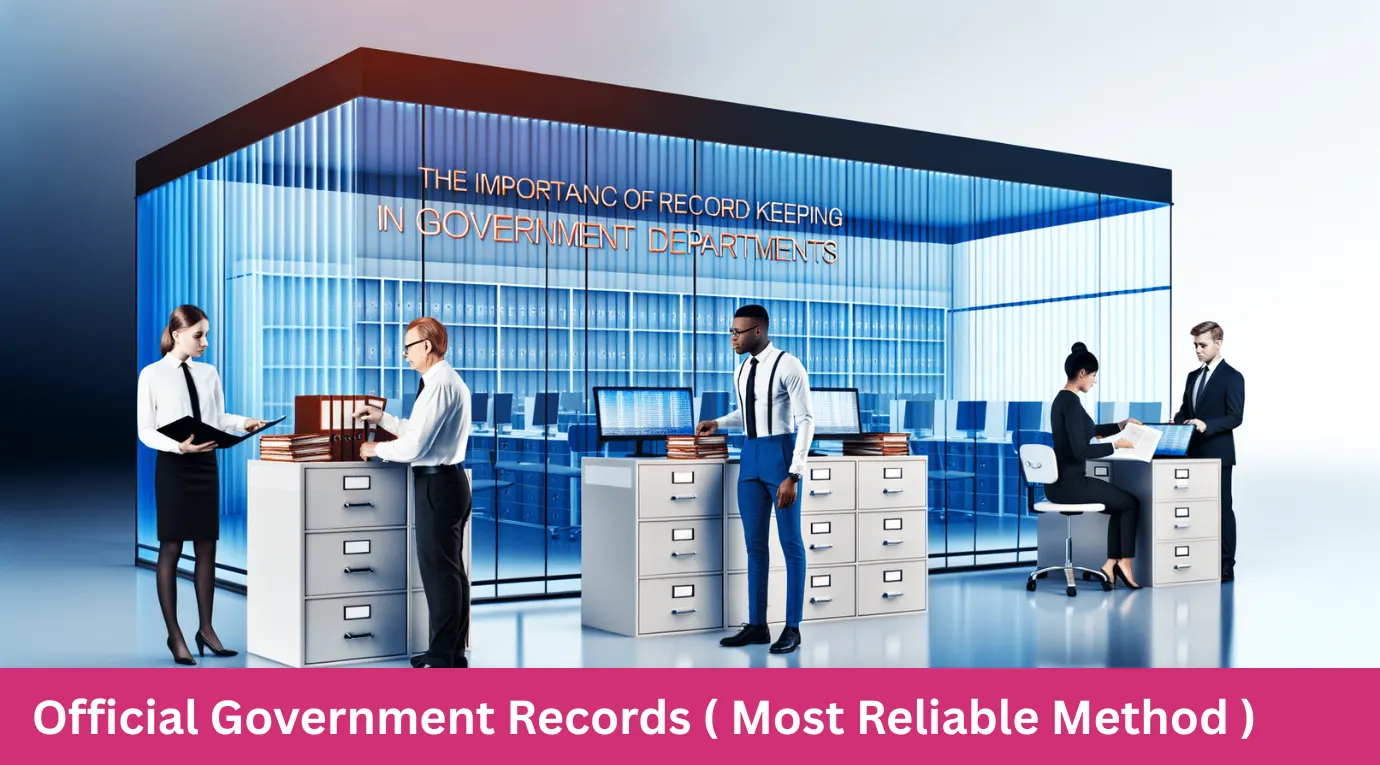
Government land records are the best method of determining the ownership of property.
What are land records?
Official documents containing land records indicate:
- Owner’s name
- Property size
- Location
- Type of property (residential, commercial, agricultural)
- Ownership history
Where to check?
The majority of states and territories have land record offices or web portals.
Steps:
- Go to the government land record site or office.
- Add property information (address, plot number, etc.)
- View ownership details
Benefits:
- Legal and correct information.
- Is not merely an occupant, it is an owner.
- Contained previous ownership information.
Property Registry Office
The other essential location is the property registry office.
What is it?
This office keeps records of:
- Property sales
- Ownership transfers
- Legal agreements
What you can find:
- Current owner
- Previous owners
- Sale price history
- Registration date
How to use it:
- Go to the office or the website.
- Search using property details
- Request a copy of the property record
There are occasions when you can be required to pay some little amount.
Municipal or Local Authority Records
The data on property is also stored in local government offices.
These include:
- Tax records
- Utility records
- Building permits
What you can learn:
- Name of property taxpayer.
- Residential or commercial use of the property.
- Construction details
Important note:
The individual paying property tax might not be the legal owner, but in most cases, it provides a solid indication.
Question Neighbors and Local Community
The easiest way is sometimes the best.
Talk to:
- Neighbors
- Security guards
- Local shop owners
- Property dealers
What you may learn:
- Owner’s name
- Owner’s lifestyle
- Property on sale or not?
- The time period of holding the property.
Real Estate Agents
Local knowledge is usually good among property dealers.
They can help you:
- Identify property owners
- Connect you directly
- Provide pricing details
- Share ownership background
Advantage:
They save time and effort, particularly in crowded cities.
Disadvantage:
They can either pay commission or fees.
Lifestyle Clues About Property Owners

You can also learn about the lifestyle of the owner when you are doing research on a property.
Things to notice:
- House type (luxury, simple, modern)
- Vehicles parked outside
- Maintenance level
- Security systems
What it tells you:
- Financial status
- Living habits
- Occupancy or vacancy of the property.
Location and Its Significance
Place is also a key factor in the ownership of property and its value.
Key factors:
- City vs rural area
- Close to schools, hospitals, and markets.
- Road access
- Safety and security
Why it matters:
The better places tend to possess:
- Higher property prices
- More demand
- Better living standards
Legal Importance of Knowing the Owner
This is among the most critical reasons.
Why it matters:
- Avoid fraud
- Ensure safe transaction
- Verify ownership rights
- Prevent legal disputes
Risk of ignoring:
You might end up having to deal with the wrong owner.
Safety Precautions When Contacting Owners

Caution is always to be observed when dealing with strangers.
Tips:
- Meet at a safe location.
- Verify identity
- Check documents
- Keep off cash transactions that are unproven.
Common Challenges
You might have a few hitches in your search.
Challenges include:
- Incomplete records
- Fake information
- Unregistered properties
- Multiple owners
Solution:
Multisource depends on more than one source.
Modern Technology in Property Search
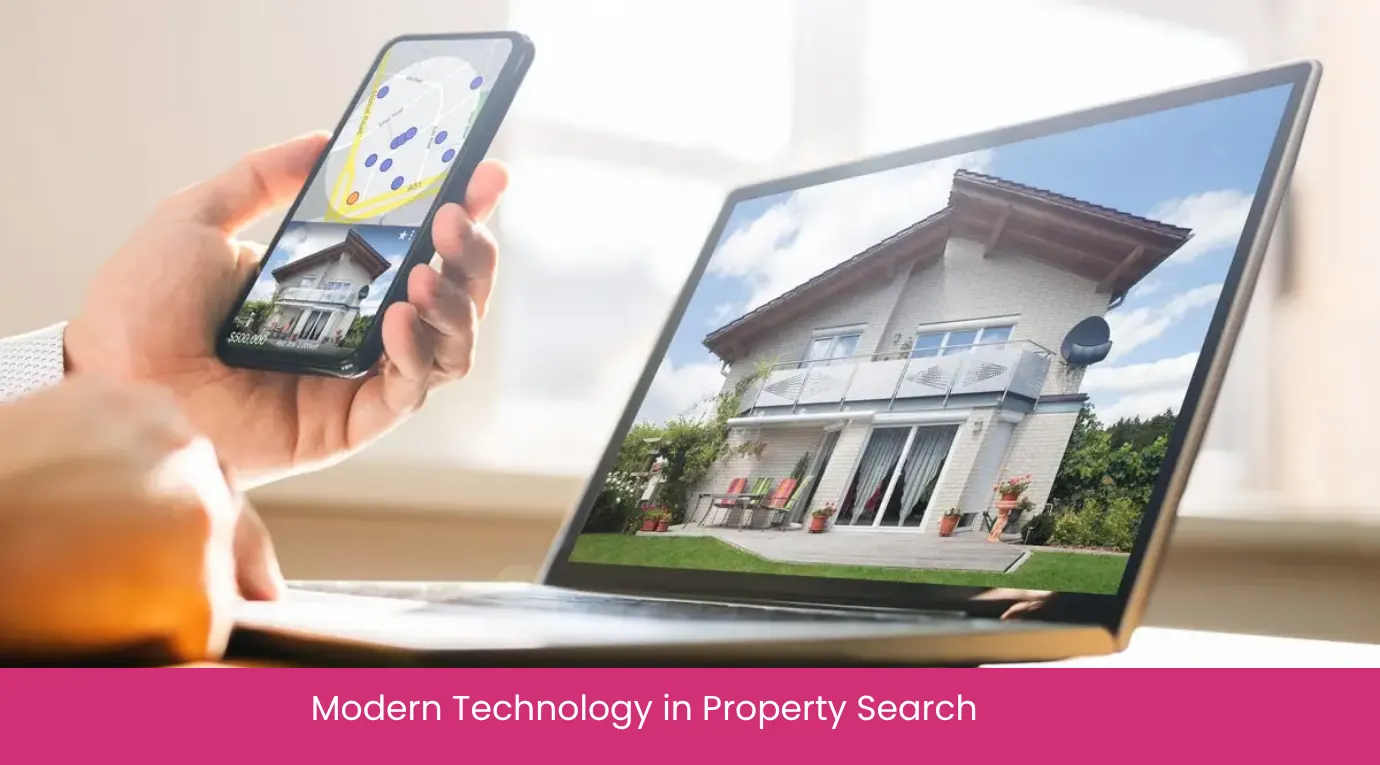
Through technology, it has become easy.
Tools available:
- Online land records
- Digital maps
- Property apps
- Satellite images
Benefits:
- Faster search
- Easy access
- Better accuracy
Ending
It is not hard to determine who the owner of a property is, as long as you do the correct things. Begin with simple facts, verify official documents, and resort to local sources; neighbors, agents. Always check everything before making any decision. Property is a very precious thing, and any little slip will cause a great loss.
